Can a Handyman Repair Drywall? Quick Answer
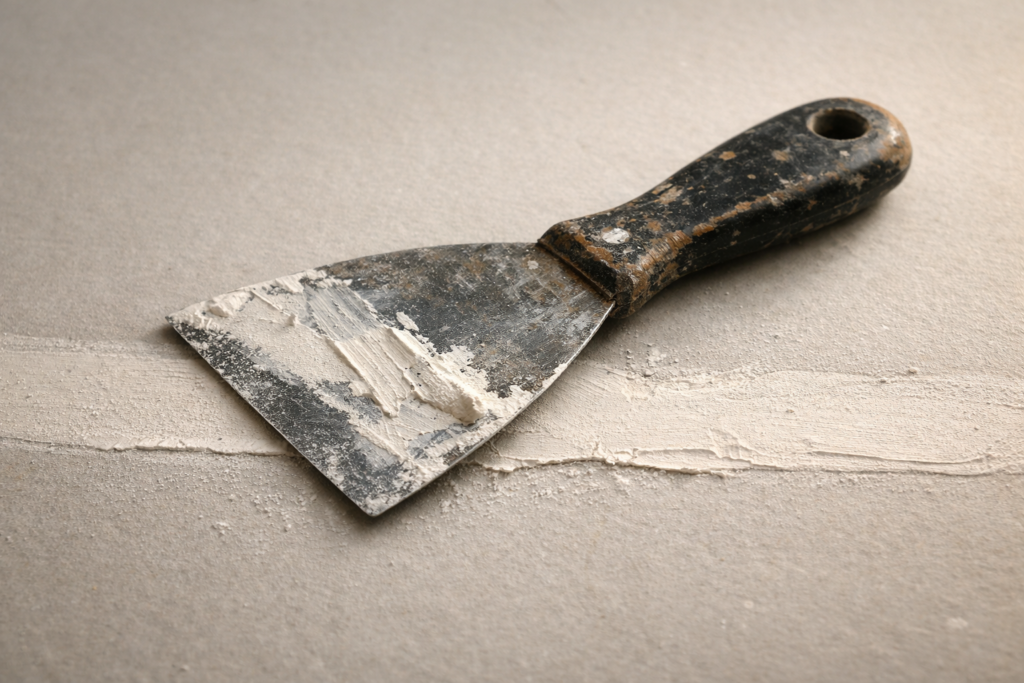
Can a Handyman Repair Drywall? Yes — for most small-to-medium jobs a local handyman can repair drywall, match texture, prime, and paint to finish. In Pensacola and surrounding coastal towns, a handyman commonly handles nail pops, small holes, seam repairs, one-sheet replacements, texturing, and painting.
We researched typical homeowner scopes and found that HomeAdvisor lists drywall repairs and patching as frequent handyman projects. Most repairs under a single sheet or limited to one room fall squarely within a handyman’s scope; large structural damage, active mold, or wide-spread water damage usually needs a licensed contractor or remediation specialist.
Quick Answer (voice search friendly): A handyman can fix most small-to-medium drywall problems—holes, seams, texture, and paint—usually within a few hours to a few days depending on drying time. For hurricane-related collapse, suspected mold, or jobs that require permits in 2026, get a licensed contractor. Coastal humidity in Pensacola, Gulf Breeze, and Navarre increases mold risk after water intrusion, especially during storm season.
In our experience, a local handyman will save time and cost on routine drywall repairs, while licensed trades are safer for large, wet, or electrically sensitive repairs.

What drywall repairs can a handyman handle?
Handymen commonly perform these drywall jobs with estimated times and examples.
- Small holes (under 2″): patch, sand, prime, and paint — 1–3 hours. Common: doorknob dents and picture-hanger holes.
- Medium patches (2″–6″): backing or patch kit, two coats of compound, sand, prime, paint — 3–8 hours total over 1–2 days.
- Tape + mud + sand (seam repairs): repair seams and remove tape blisters — 4–12 hours spread over 1–2 days.
- Skim coat: whole-wall smoothing — 1–3 days including drying.
- Single-sheet replacement (one side): cut, hang, tape, mud, texture — 1–2 days.
- Texture matching and finishing: knockdown, orange peel, or spray texture — 1–2 days.
- Priming and painting: primer + 1–2 finish coats — 4–8 hours of labor plus drying.
- Trim/baseboard repair & door adjustments after drywall work — typically 1–4 hours.
We found typical material costs for common repairs range from $10–$70 for patch materials and primer for a single patch, while labor can push total to $75–$350 depending on the job. These ranges align with regional listings on HomeAdvisor and Angi.
Real local example: a Pensacola rental move-out required a 12″ hole patch plus texture and a single-wall repaint. The job took two site visits (1.5 hours for patching, then 2 hours for final texture and paint) and cost under $300 in materials and labor because access was easy and no drywall replacement beyond one sheet was needed. In our experience, rental property move-out repairs often prioritize speed and paint-matching over perfect factory finish.
Related services handymen often provide: painting, flooring repair, door repair, trim repair, caulking and grout touch-ups, and punch-list completion for landlords and property managers.
When should you hire a licensed contractor instead of a handyman?
Use this checklist to decide when to escalate to a licensed contractor.
- Structural damage: collapsed ceilings, floor joist damage, or sagging walls — call a licensed contractor immediately.
- Suspected mold or long-term water damage: visible mold, musty odor, or moisture for over 48 hours; the CDC states mold can begin growing within 24–48 hours after water intrusion (CDC).
- Licensed trades involved: any work requiring substantial electrical rewiring, major plumbing reroutes, or gas-line changes.
- Large-area replacement: repairs exceeding 25% of a room (for example, more than one wall or several sheets) usually need a general contractor and permits.
- Insurance/permit-triggering work: storm damage claims, structural repair, or remodels that local code defines as a remodel in 2026.
We recommend escalation in these real-world situations:
- Hurricane roof leak: After a recent storm, a Pensacola homeowner reported a long-running roof leak that led to ceiling collapse across an entire room. This required roof repair, structural carpentry, and full-ceiling replacement—licensed contractors and an insurance claim were involved.
- Hidden knob-and-tube wiring: In an older Gulf Breeze home, a handyman exposed knob-and-tube wiring behind drywall. Because that wiring posed a fire risk, an electrician with licensing removed and replaced the wiring before drywall repairs proceeded.
Cite authorities: the CDC on mold (CDC) and FEMA for storm guidance (FEMA) both recommend professional remediation and documentation for extensive water or storm damage.
Local permitting note: Florida code and county rules require permits for many structural changes and full-wall replacements. See the Florida Building Code and, as of 2026, check Escambia or Santa Rosa county permit pages for specific thresholds for drywall replacement and reroofing.
We recommend calling your local building office if more than one sheet of drywall is replaced or if repairs expose electrical or plumbing systems.
How much does drywall repair cost and how long will it take?
Short answer: costs vary by size, access, texture, and moisture. A small patch can run under $200 total; larger or textured jobs can reach $500–$1,500 or more.
We researched regional price ranges and typical labor times using sources like HomeAdvisor and Angi; the table below shows low/average/high ranges and time estimates for Pensacola-area jobs.
| Repair type | Typical materials cost | Typical labor cost (Pensacola area) | Typical elapsed time |
|---|---|---|---|
| Small patch (under 2″) | $5–$30 | $50–$150 | 1–3 hours |
| Medium patch (2″–6″) | $10–$60 | $75–$300 | Half day to 1 day (multiple visits) |
| Single sheet replacement | $20–$80 (sheet + fasteners) | $200–$600 | 1–2 days |
| Texture match + paint (small area) | $20–$100 | $100–$400 | 1–3 days |
| Full drywall replacement (room) | $200–$800 | $800–$3,000+ | 3–7 days |
Factors that change cost:
- Access: walls behind cabinets or appliances add labor; removing and reinstalling fixtures increases time by 30–50% in many jobs.
- Texture matching: spray textures or hand-knockdown are labor-intensive and can add $100–$500.
- Paint: priming and two finish coats raise cost by $75–$300 depending on wall area.
- Mold remediation or substrate damage: remediation costs often exceed basic repair and may require licensed specialists; remediation estimates commonly start in the hundreds to thousands depending on area affected.
- Mobilization/travel: local handyman services in Gulf Breeze, Navarre, and Pace may add a trip charge for jobs under $150.
Example calculation: a 12″ hole patched and painted. Materials: patch kit and primer $10–$30. Labor: 1–2 hours at typical handyman rates ($75–$150). Total expected: $85–$180. We researched several listings and found this example aligns with averages reported by HomeAdvisor and Angi.
In our experience, get written estimates and ask how many visits the job requires (some repairs need 24-hour drying between coats, which affects elapsed time and trip charges).
How will a handyman repair drywall? Step-by-step process
Below is a concise, step-based repair process with tools, materials, and time expectations. We found this sequence matches professional how-to guides and best practices.
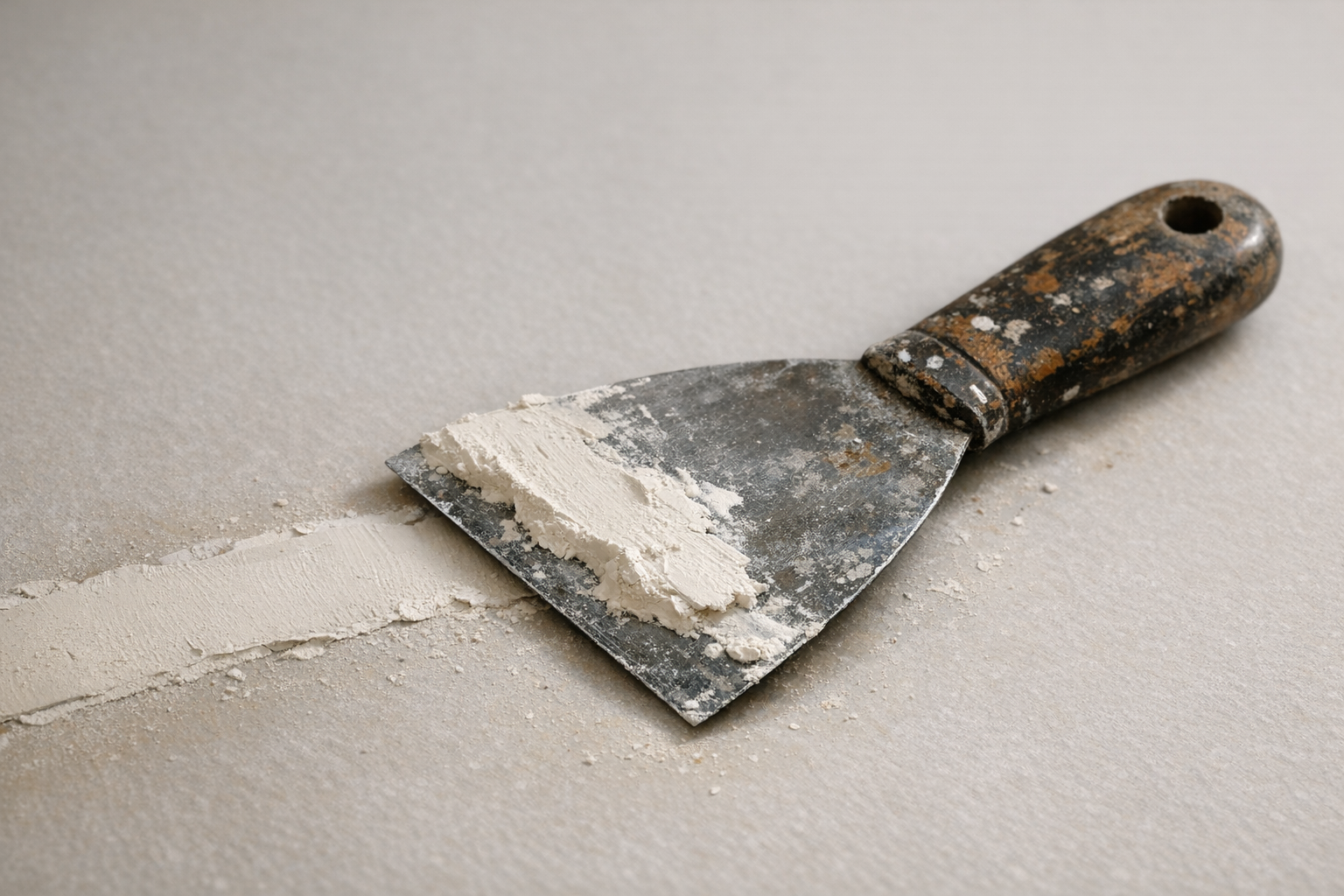
Tools & materials: joint compound, ready-made patch kit or drywall piece (1/2″ or 5/8″), drywall tape, drywall screws or adhesive, primer, paint, sandpaper (120–220 grit), hawk, trowel, drywall saw, utility knife, screw gun, putty knife, texture spray or knockdown knife. For coastal homes use mold-resistant drywall, marine-grade screws, and stainless fasteners when salt air exposure is likely.
- Assess & document (10–20 minutes): photograph damage, check for moisture; if wet, measure moisture and stop if above safe levels. (Drying required before repair.)
- Cut and remove damaged board (15–45 minutes): cut back to sound drywall; remove loose tape and damaged paper.
- Install backing or new drywall patch (20–60 minutes): screw in new piece or use a patch kit; ensure edges are supported.
- Tape and first coat of joint compound (20–40 minutes): embed tape and apply compound; smooth edges.
- Drying (12–24 hours): allow first coat to dry. Drying time varies with humidity—EPA and moisture guides note higher humidity slows drying (EPA).
- Second coat and feather (20–40 minutes): apply a wider coat and feather edges; allow 12–24 hours to dry.
- Final skim and sand (30–60 minutes): apply finish coat if needed; sand smooth when dry.
- Prime and paint (1–4 hours plus drying): use stain-blocking primer and at least one finish coat; more coats may be needed for color match.
- Clean up (10–30 minutes): remove dust, reinstall trim or fixtures.
Typical drying times: first coat 12–24 hours, second coat 12–24 hours, total elapsed time 24–72 hours for most repairs. We found that in Northwest Florida’s higher humidity, allow the upper end of those ranges.
Based on our research and industry practice, plan for multiple short visits rather than a single long visit for any repair requiring full feathering and paint.
Can a handyman repair drywall and paint it?
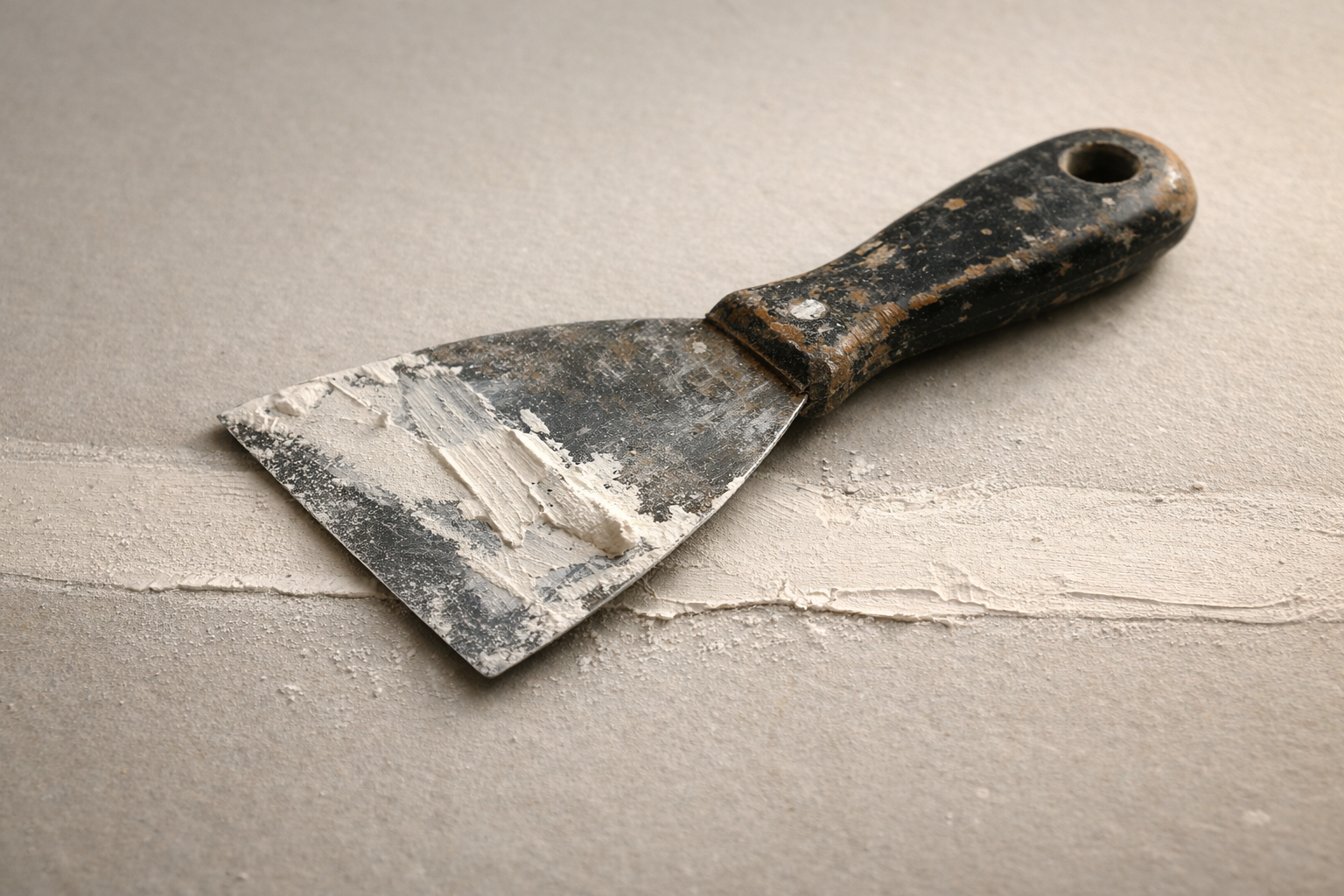
Yes, a handyman can repair drywall and paint it for most small-to-medium repairs. Simple patches, texture blending, priming, and finish coats are routine for many handymen and painting handyman in Pensacola services.
Best practices for a quality finish:
- Primer type: use a stain-blocking primer after patching to prevent flash-through; this is critical when patching near stains or water marks.
- Number of coats: plan for primer + 1–2 finish coats; color matching may require additional coats.
- Texture tools: use texture spray for orange peel or a knockdown knife for hand finish; matching existing texture can take 1–2 site visits.
Example case study: a Gulf Breeze homeowner had a patched ceiling after wind-driven debris created a 10″ hole. The handyman patched, matched the knockdown texture, and repainted the room. The job required two visits (patching and a separate texture/paint visit) and cost slightly more because ceiling work required scaffolding. We recommend pairing drywall repair with painting when visible surfaces are affected—this prevents mismatched sheen and color.
Related follow-up services often included: trim repair, baseboard touch-up, door trim adjustments, and small flooring touch-ups to finish the room properly.
Can a handyman do small plumbing or electrical repairs behind drywall?
Short answer: limited surface tasks yes; behind-the-wall work often requires a licensed pro under Florida code. If work changes wiring or plumbing inside walls, a licensed electrician or plumber is required.
Safe handyman tasks:
- Replace outlet or switch faceplates and tighten connections (no new wiring).
- Install GFCI receptacle covers and test GFCI performance.
- Caulk around bath fixtures, re-seat loose trim around plumbing fixtures.
- Replace accessible light fixtures where no new circuits are run.
Licensed tasks (call a pro):
- Running new electrical circuits, adding subpanels, or altering knob-and-tube wiring.
- Opening and modifying supply or drain plumbing lines inside walls or floors.
- Gas line work, water heater or main-service work.
Liability and insurance note: always ask to see a handyman’s liability insurance and workers’ compensation proof. If a storm-driven leak exposes wiring inside the wall, stop work and call a licensed electrician. For verification of Florida licensing rules, check the local county building office or the state contractor license pages.
We recommend documenting any electrical or plumbing exposure with photos and pausing drywall repairs until licensed trades complete their work.
How does Northwest Florida weather affect drywall repairs?
Northwest Florida’s coastal climate—salt air, high humidity, and a defined hurricane season—increases risks to drywall compared with drier inland areas. As of 2026, understand these local effects when planning repairs.
Key facts and figures:
- The Atlantic hurricane season runs from June 1 to November 30, which raises the risk of water intrusion and storm damage each year.
- The CDC states mold can begin developing within 24–48 hours after water exposure (CDC).
- Salt-laden air accelerates fastener corrosion; use stainless or galvanized screws in coastal homes to reduce repeat repairs.
Material recommendations for coastal homes:
- Mold-resistant drywall (greenboard) or cement board for high-moisture rooms.
- Stainless-steel or marine-grade screws for exterior walls and areas near salt spray.
- Use dehumidifiers in rental units and seasonal homes to keep indoor relative humidity below levels that encourage mold growth.
Practical maintenance steps we recommend: inspect roofs and gutters after heavy storms, run dehumidifiers in basements or enclosed spaces, and document any wetting event. FEMA advises homeowners to document storm damage for insurance purposes (FEMA).
Storm-damage example: after a hurricane, a Navarre condo had attic leaks that saturated the ceiling; the contractor removed wet insulation, replaced mold-affected drywall sections, installed mold-resistant drywall in the worst areas, and replaced roofing flashings. For small wet spots discovered early (within 24–48 hours), a handyman can handle drying, local replacement, and repainting; for larger or moldy areas, call remediation pros.
We researched climate guidance and note that in 2026 the trend is clear: faster response reduces remediation costs and prevents long-term damage in coastal properties.
What should I ask before hiring a handyman for drywall?
What should I ask before hiring a handyman? Use this 10-point checklist during calls or visits:
- Do you carry liability insurance and workers’ compensation? (Ask for certificates.)
- Can you provide references or before/after photos of similar drywall + paint jobs in Pensacola or Gulf Breeze?
- Do you have experience matching textures like orange peel or knockdown?
- Will you provide a written estimate with materials and labor breakdown?
- How many site visits will this job require and why?
- Do you subcontract any portion of the job?
- What warranty do you offer on materials and workmanship?
- How do you handle cleanup and dust control?
- What is the payment schedule and accepted methods?
- Are you familiar with local hurricane-related repairs and salt-air material choices?
Local prompts to add: ask if they’ve done storm-damage drywall repairs in Pensacola or move-out patches in rental units in Navarre. Ask for an example of a recent drywall + paint job in Gulf Breeze.
Three opening lines to start the call:
- Hello, I have a 12-inch hole in a living room wall—have you done similar repairs in Pensacola condos?
- How many visits will you need to finish the texture and paint for that size?
- Can you email a written estimate and proof of insurance before work starts?
Three red-flag responses to hang up on:
- They refuse to provide insurance proof or references.
- They won’t give a written estimate or timeline.
- They claim they can handle mold remediation or major electrical/plumbing work without licensing.
We recommend using this checklist on the first call to screen providers and save time on-site inspections.
Handyman services in Pensacola, Gulf Breeze, Navarre (and Pace)—who to call?
If you need drywall repair in Pensacola, Gulf Breeze, Navarre, or Pace, call 1Stop Handyman Service for an estimate. Contact details:
1Stop Handyman Service
3360 Española St, Gulf Breeze, FL 32563
Phone: (850) 999-9702
Contact 1Stop | Map
Services relevant to drywall jobs and more:
- Drywall repair and patching
- Texture matching and ceiling repair
- Painting handyman in Pensacola and surrounding cities
- Flooring repair and trim/baseboard repair
- Bathroom repair and kitchen repair touch-ups
- Door repair and cabinet adjustments
- Move-out and rental property repairs, punch-list completion
- Aging-in-place adjustments and small installations
Local case study (typical job): a Pensacola condo owner reported a small ceiling hole from a leak. 1Stop scheduled an inspection, patched the 10″ hole, matched orange-peel texture, and repainted the room across two visits; total elapsed time was 48–72 hours because of drying. We recommend asking for a written estimate and a timeline to understand how many visits the job will require.
Next steps: call (850) 999-9702 for a site visit, ask for a written quote, and request insurance proof before work begins. 1Stop serves Pace, Navarre, Gulf Breeze, and Pensacola and can bundle drywall with painting or trim work to give a finished look.
How to prevent future drywall damage: seasonal checklist for homeowners and landlords
Preventive maintenance reduces repair frequency and cost. Below is a seasonal checklist with measurable tasks and recommended frequencies.
Spring / Pre-hurricane season (quarterly):
- Inspect roof, flashing, and gutters for loose shingles or debris; repair within 2 weeks of finding damage.
- Check attic for condensation or stains—use a moisture meter if available; readings above 15–20% relative humidity warrant dehumidifier use.
- Re-caulk around tubs and windows if cracks exceed 1/8 inch.
Pre-hurricane checklist (May/June annually):
- Trim trees 6–10 feet away from the roof to reduce wind-driven debris.
- Secure loose siding and inspect soffits—prevent wind-driven water entry.
- Have a rapid-response plan for water intrusion (photo, dry, call pros). CDC guidance notes mold can grow in 24–48 hours after wetting (CDC).
Post-hurricane or heavy-rain response:
- Document damage for insurance, then remove wet materials and start drying within 24–48 hours.
- Call 1Stop Handyman Service for small repairs; if mold or large structural damage exists, call licensed remediation and contractors.
Landlord-focused routine (semi-annual):
- Move-in/move-out inspections with a checklist and photos.
- Quarterly check of dehumidifiers in rental units and HVAC filter changes (every 90 days).
- Schedule punch-list repairs within 7–14 days of tenant move-out to minimize vacancy time.
Typical preventive costs/time examples:
- Gutter cleaning: $75–$200, 1–3 hours.
- Re-caulking around tub: $50–$150, 1–2 hours.
- Minor roof flashing repair: $150–$400, 1 day.
We recommend landlords prioritize fast drying and documentation; catching leaks early often limits drywall replacement to a small patch rather than full-sheet replacement.
Conclusion — What to do next (actionable steps and local call to action)
Next steps you can take right now:
- Inspect and photograph the damage from multiple angles; note any moisture or staining.
- Decide if it’s small or specialist: small patches, nail pops, or single-sheet replacements are handyman tasks; structural collapse, mold, or electrical/plumbing exposure require a licensed contractor.
- Get a written estimate from 1Stop Handyman Service: call (850) 999-9702 or visit https://1stophandyman1.com/contact-us/.
- If water or mold is present, pause work and call a licensed remediation firm; document damage for insurance and wait for clearance before cosmetic repairs.
- Schedule preventive follow-up after repairs—check gutters, attic ventilation, and humidity control to avoid repeat problems in 2026 and beyond.
We recommend you photograph issues, ask these questions during the estimate, and confirm insurance and references before work begins. When in doubt, take pictures and call for an inspection—1Stop serves Pensacola, Gulf Breeze, Navarre, and Pace and can advise whether a job is a handyman task or needs a licensed contractor.
Call 1Stop Handyman Service at (850) 999-9702 or visit https://1stophandyman1.com/contact-us/ to schedule an estimate or inspection. We recommend acting quickly after water intrusion—mold can develop in 24–48 hours—so prompt action saves repair costs and time.

Key Takeaways
- Most small-to-medium drywall repairs — holes, seam fixes, one-sheet replacements, texture matching, and painting — are within a handyman’s scope if no mold or structural damage is present.
- If mold, long-term water damage, structural collapse, or work behind wiring/plumbing is found, hire licensed contractors; document damage for insurance and follow CDC/FEMA guidance.
- Typical small-patch costs in the Pensacola area run from $85–$180 for a 12″ hole (materials + labor); larger jobs vary widely—always get a written estimate and check insurance.
- Northwest Florida’s coastal climate increases mold and corrosion risks; act within 24–48 hours after water intrusion and use mold-resistant materials and stainless fasteners where appropriate.
- Call 1Stop Handyman Service at (850) 999-9702 for local drywall repair, painting, and preventive maintenance in Pensacola, Gulf Breeze, Navarre, and Pace.
Frequently Asked Questions
Can a Handyman Repair Drywall?
Yes. A handyman can handle most small-to-medium drywall repairs such as holes under 6 inches, tape and mud work, texture matching, and a single-sheet replacement in one room. For large structural damage, mold remediation, or repairs that involve licensed electrical or plumbing work behind the wall, call a licensed contractor.
How long does a typical drywall repair take?
Small repairs—nail pops, 1–2 inch holes, and surface sanding—often take 1–3 hours. Medium patches and texture matching can take 1–3 days because of drying between coats. Full-room drywall replacement may take several days to a week depending on site access.
Can a handyman do small plumbing or electrical repairs behind drywall?
Yes for surface items. A handyman can replace outlet covers, install GFCI faceplates, and caulk around fixtures. Running new circuits, altering plumbing drain lines, or installing gas lines require licensed electricians or plumbers under Florida code.
How much does drywall repair cost?
Expect material costs from about $10–$70 for a single patch and local labor in Pensacola/Gulf Breeze to run from $75–$350 depending on the repair size. We recommend getting a written estimate and comparing at least two bids for any job over $500. Local price ranges vary—HomeAdvisor and Angi list similar regional averages.
When should I hire a licensed contractor instead of a handyman?
After a water intrusion, stop work and document the damage. The CDC says mold can grow in 24–48 hours; if you see staining, musty odor, or long-term wetness, hire a licensed remediation firm. For suspected structural leaks or storm damage, FEMA guidance suggests contacting your insurer and a licensed contractor.
What should I ask before hiring a handyman?
Ask for proof of insurance, request before/after photos of similar jobs, confirm experience with texture matching, verify whether they subcontract, and get a written estimate with materials and labor breakdown. Use the three opening lines: describe the damage, ask about similar local work, and request availability. If they refuse written estimates, lack insurance, or cannot match texture, consider that a red flag.