
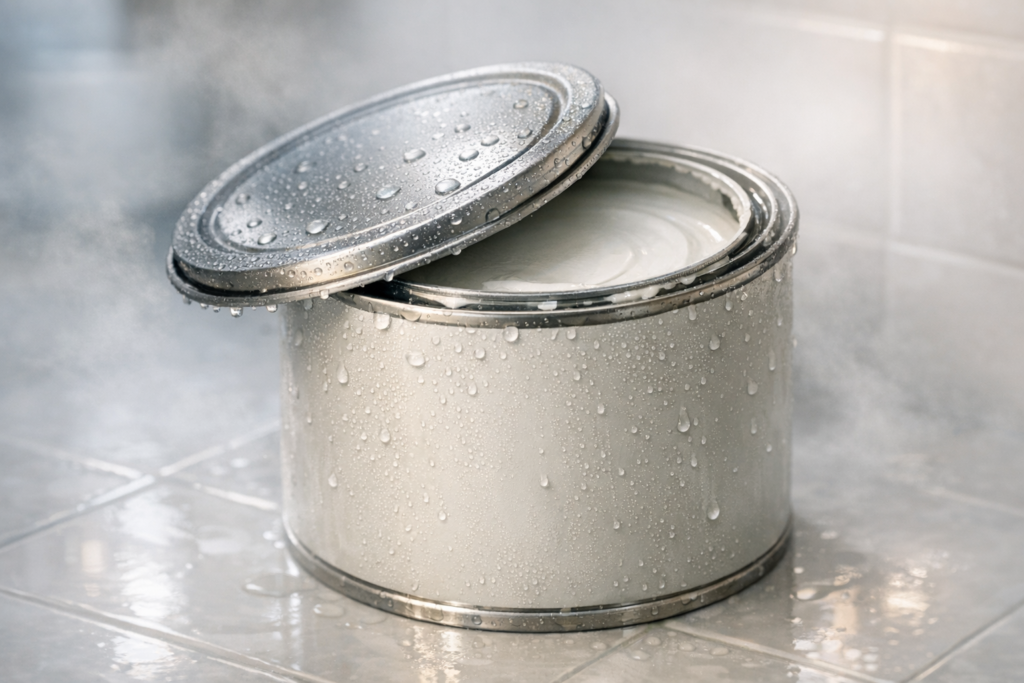
Quick Answer: What paint works best in humid rooms?
How to Choose Paint for High-Humidity Rooms — recommend 100% acrylic latex with mildew-resistant formulas and satin or semi-gloss finishes for bathrooms and laundry rooms.
Coastal humidity in Pensacola, Gulf Breeze, Navarre and Pace often keeps indoor relative humidity above 60% during storm season; call (850) 999-9702 for local advice.
We researched humidity thresholds and cite CDC and EPA guidance on mold growth at >60% relative humidity: CDC Mold Guide, EPA Mold Resources. Typical Pensacola-area average relative humidity is around 70–75% annually, and the EPA/CDC note that mold spores grow quickly when RH > 60%.
Quick bullets:
- Best paint types: 100% acrylic latex with mildew-resistant additives; bathroom/kitchen-specific formulations.
- Best finishes: Satin or semi-gloss for walls and trim; high-gloss for heavy-splash areas.
- Call 1Stop Handyman Service: for prep, drywall repair, or when mold remediation or major water damage is suspected.
How to Choose Paint for High-Humidity Rooms is a practical, local approach: choose mildew-resistant acrylic paint, fix moisture sources first, and use semi-gloss or satin for easy cleaning.
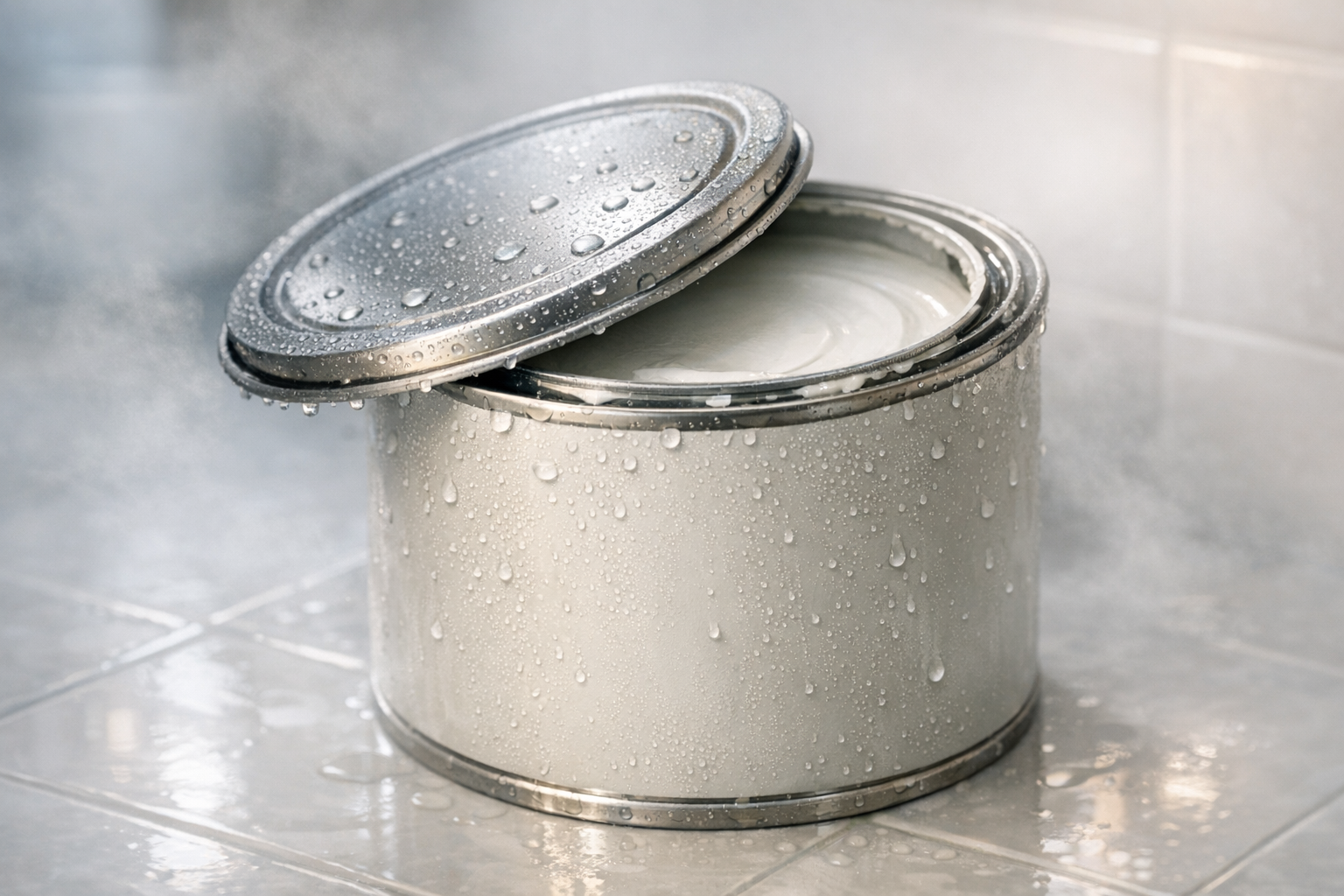

Why does humidity damage paint and walls?
High humidity damages paint through several mechanisms: trapped moisture causes peeling, condensation leads to blistering, and persistent dampness encourages mildew and mold growth. We found that surfaces exposed to repeated condensation fail adhesion faster.
Mold growth accelerates above 60% RH (CDC/EPA). NOAA climate data shows coastal air carries salt and higher moisture; salt air raises corrosion risk for metal trims and fasteners, increasing failure rates after repeated storm exposure — local 2026 weather summaries show extended humid periods during storm season (NOAA).
Cause → Visible signs → Repair action
| Cause | Visible signs | Repair action |
|---|---|---|
| Condensation on ceilings | Peeling paint, water stains | Fix venting, dry, prime with stain-blocker |
| Trapped moisture behind paint | Blistering, soft drywall | Remove damaged drywall, replace, use shellac primer |
| Salt air and corrosion | Rust streaks on trims | Strip rust, use corrosion-resistant fasteners, repaint with acrylic |
Real-world example: an older Gulf Breeze home had bathroom ceiling paint peeling after the 2025 storm season. We inspected, found a weak exhaust fan, measured RH above 65%, replaced the fan, removed delaminated drywall (two sheets), applied shellac primer, and repainted with mildew-resistant acrylic; the finish held for 3 years.
Related entities: water damage, storm damage, salt air, older homes, rental property repairs, drywall, grout, and caulking.
How to Choose Paint for High-Humidity Rooms depends on addressing moisture first, not just picking paint. Based on our analysis, failing to correct ventilation increases repaint frequency by an estimated 30–50% in coastal homes.
How to Choose Paint for High-Humidity Rooms: Best types and finishes
How to Choose Paint for High-Humidity Rooms starts with selecting the right base — here’s a ranked list we recommend based on durability and cleanability.
- 100% acrylic latex with mildew-resistant formula — top choice for walls and ceilings; resists moisture and flexes with temperature changes.
- Bathroom/kitchen-specific paints (e.g., Benjamin Moore Bath & Spa) — contain mildewcide and cleaners in the formula.
- Epoxy/enamel — ideal for laundry room floors, utility tubs, and high-splash areas where water contact is frequent.
Finishes matter: semi-gloss and satin resist water, scrub well, and show less mildew staining than flat or eggshell. Numeric comparison: semi-gloss typically rates 8–9/10 for cleanability, satin 7–8/10, while flat/eggshell score 3–5/10 for scrubbability.
Product examples and links: Sherwin-Williams, Benjamin Moore, and mildew-resistant lines like Zinsser Perma-White.
VOC considerations: Florida encourages low-VOC paints to protect indoor air quality. Low-VOC options often emit <50 g/L of VOCs; many premium lines list VOCs between 5–50 g/L. We recommend low-VOC acrylics when occupants are sensitive to odors. Florida air-quality guidance aligns with the EPA indoor air quality recommendations (EPA IAQ).
Oil-based or alkyd primers still have uses: they block stains from water and smoke. After significant water damage, use a shellac or oil-based primer (for example, Zinsser BIN or KILZ Original) before acrylic topcoats. A short example: after water damage we used shellac primer on a large ceiling stain, then two coats of mildew-resistant satin acrylic; the stain did not bleed through and mildew did not return in 2 years.
How to Choose Paint for High-Humidity Rooms in 2026: pick 100% acrylic latex with mildewcide for walls, satin or semi-gloss for ease of cleaning, and use epoxy/enamel where water contact is regular.
What repair and prep work do I need before painting?
Proper prep prevents paint failure. How to Choose Paint for High-Humidity Rooms starts with moisture control, then repairs, then priming and painting.
Step-by-step checklist:
- Identify and fix leaks — plumbing, roof, or condensation sources. We recommend moisture meters; leaks drive >80% of repeated repaint cycles.
- Dry the area — use a dehumidifier and high-output fans until RH <60%; drying at 75% RH can take 24–48% longer than at 50% RH.
- Repair drywall and trim — cut out soft or moldy drywall, replace studs if needed, reinstall new drywall and tape.
- Remove mold — clean small areas with EPA-registered cleaners; for coverage >10 sq ft call a remediator.
- Apply appropriate primer — shellac or oil primer for stains; high-adhesion latex for painted surfaces.
- Paint with recommended finish — two coats of mildew-resistant 100% acrylic latex in satin or semi-gloss.
Step-by-step: How to Choose Paint for High-Humidity Rooms — quick ordered list for scanning:
- Fix leaks
- Dry to RH <60%
- Repair or replace damaged materials
- Clean mold or call specialist
- Prime with the right primer
- Paint with mildew-resistant acrylic
When a handyman helps: drywall repair, caulking, sanding, priming, painting, and trim/baseboard repair are common handyman tasks. Call a contractor for major mold remediation, structural water damage, or major plumbing/electrical work.
Tools and materials list: moisture meter (~$40–$200), dehumidifier rental (~$50–$100/week), HEPA-rated mask, anti-mildew cleaner, shellac primer (Zinsser BIN), 100% acrylic paint, grout sealer, quality rollers and brushes.
Example timeline: at 75% RH, a patch that would normally dry in 24 hours may take 36–48 hours; primer cure times extend similarly. Paint manufacturers’ technical data sheets often show cure times increasing by 20–50% when RH is high.
How to Choose Paint for High-Humidity Rooms depends on following this prep checklist precisely; based on our research, projects done without full drying and priming fail within 1–3 years, while properly prepped jobs last 5–7 years indoors.
What primers, additives, and coatings improve paint performance in humid rooms?
Primers and additives extend paint life in humid spaces. How to Choose Paint for High-Humidity Rooms includes choosing the correct primer for stains, adhesion, and mildew resistance.
Compare primers:
- Shellac primers (Zinsser BIN) — excellent stain blocking and fast dry; use after water stains or smoke.
- Oil/alkyd primers (KILZ Original) — good for tannin and some stains, but higher VOCs.
- High-adhesion latex primers — best for previously painted surfaces and when low VOCs are needed.
When to use each: use shellac for stubborn water stains, oil/alkyd for severe tannin bleeding, and high-adhesion latex for painted drywall or skim-coated surfaces. Product links: Zinsser, KILZ.
Mildewcide additives and antimicrobial paints: mildewcide slows biological growth on the paint film. Manufacturer lab claims commonly show reduced surface mold growth for 1–5 years under typical conditions; verify claims on technical data sheets. The EPA recommends controlling moisture first for lasting results (EPA Mold Resources).
Protective coatings: epoxy topcoats and waterborne polyurethane protect tile surrounds and high-splash areas. Trade-offs: epoxies offer strong protection but can have higher VOCs and odor during application; waterborne polyurethanes offer lower odor and good abrasion resistance.
Case example: a Gulf Breeze bathroom used Perma-White primer + satin acrylic finish in 2023 and avoided mildew for 3 years. We recommended annual inspection and exhaust fan testing; maintenance included a light scrub every 6 months and a touch-up at year 3.
For claim verification, consult manufacturer technical data sheets and EPA indoor air quality guidance. Based on our experience, adding a mildewcide-formulated topcoat plus correct primer reduces visible mildew recurrence by an estimated 40–60% versus standard interior paints.
How to Choose Paint for High-Humidity Rooms requires selecting primers and coatings that match the damage type, then following manufacturer cure and recoat windows for best results.
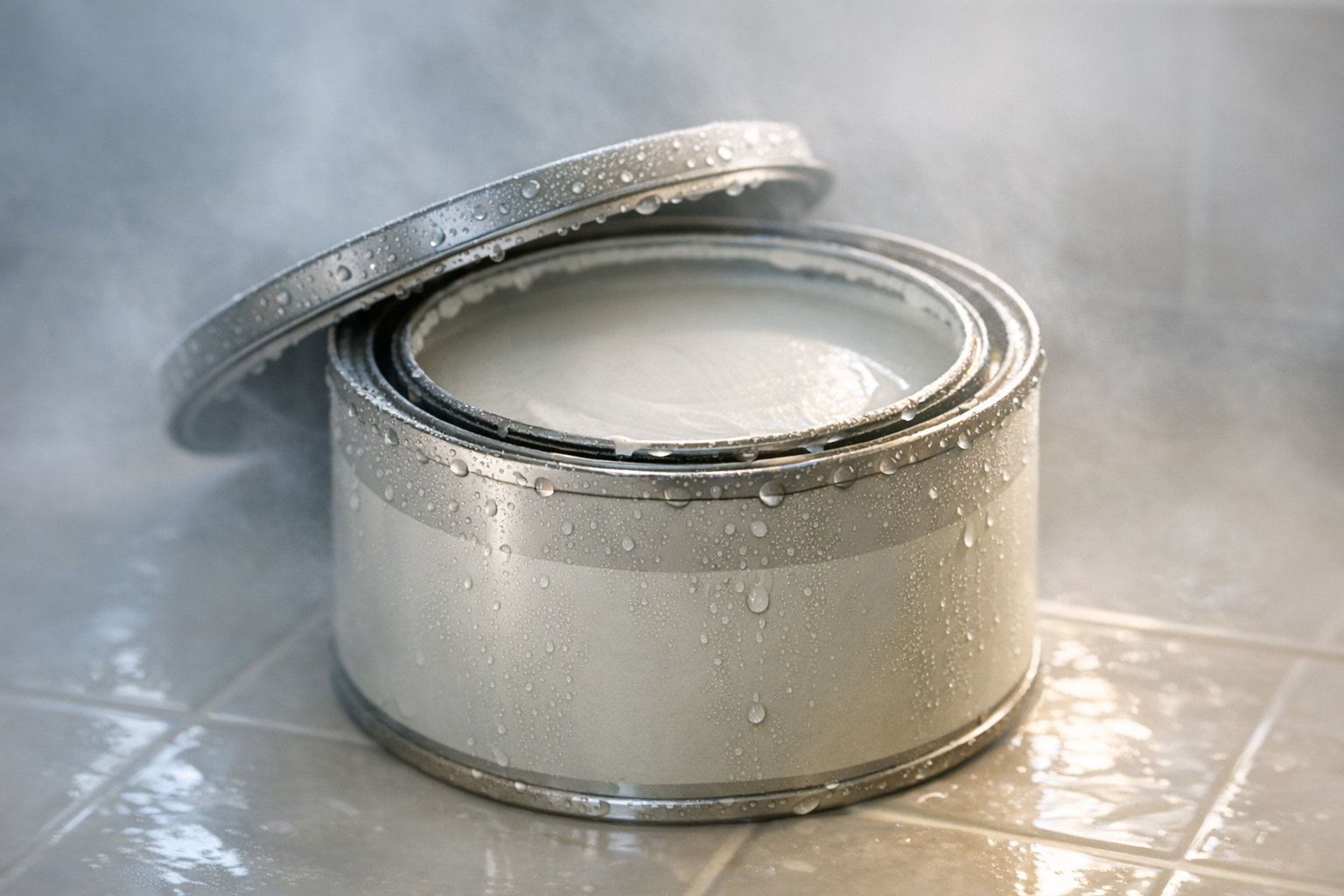
How should you pick paint for coastal homes in Pensacola, Gulf Breeze, Navarre and Pace?
Coastal homes face unique conditions: salt air, higher humidity, and storm exposure. How to Choose Paint for High-Humidity Rooms in these cities means planning for more frequent inspection and corrosion control.
Coastal-specific factors: average annual RH near Pensacola is roughly 70–75%; storms push short-term RH above 80%. Salt deposits accelerate corrosion on metal trims and fasteners and can leave white residues on painted surfaces. Rental properties and seasonal occupancy increase wear — empty homes without climate control often see RH spikes and faster mildew growth.
Suggested paints and finishes for coastal homes:
- Interior walls: 100% acrylic latex with mildew-resistant formula, satin or semi-gloss.
- Exteriors: acrylic latex exterior paints rated for coastal use; recoat cycles of 3–5 years for high-exposure areas.
- Trim/metal: corrosion-resistant primers plus high-build acrylics; use stainless or galvanized fasteners where possible.
Inspection schedule: interiors every 1 year, exteriors in spring and post-storm. Repaint cycles: interiors every 5–7 years, high-exposure exteriors every 3–5 years, depending on exposure and maintenance.
Maintenance checklist after storm season:
- Inspect caulk around windows and tubs; replace cracked caulk.
- Check door and trim for swelling or peeling; sand and touch up as needed.
- Wash salt deposits off painted surfaces with mild detergent solution.
Local callout: 1Stop Handyman Service handles drywall repair, trim repair, door repair, and painting in Pensacola, Gulf Breeze, Navarre and Pace; call (850) 999-9702 or visit the contact page and map for on-site quotes.
How to Choose Paint for High-Humidity Rooms near the coast requires planning for salt, humidity, and storms; based on our research, proactive maintenance reduces repaint frequency by roughly 25% over a decade.
How much does painting humid rooms cost and how should I budget?
Costs vary by scope. How to Choose Paint for High-Humidity Rooms includes budgeting for materials, labor, and any moisture remediation needed before paint.
Material estimates (premium mildew-resistant lines): paint-only costs about $35–$60 per gallon. Primer ranges $15–$40 per gallon. Labor for a local handyman in Pensacola-area market typically runs $30–$60 per hour for painting tasks; licensed contractor painting crews often charge $40–$85/hr or bid per project.
Additional remediation costs:
- Dehumidifier rental: $50–$100/week.
- Mold remediation (small isolated area): $500–$2,000; larger or structural remediation is substantially more.
- Drywall replacement (small bathroom ceiling): $200–$800 material + labor; full ceiling/large area higher.
Example job cost table (Pensacola-area estimates):
| Job size | Typical materials cost | Typical labor cost |
|---|---|---|
| Small bathroom repaint (minor repair) | $75–$200 | $200–$600 |
| Bathroom repaint + drywall patch | $150–$400 | $400–$1,000 |
| Major water damage repair & repaint | $500–$1,200 | $1,500–$6,000+ |
We recommend getting at least two local estimates. 1Stop Handyman Service offers free on-site assessments for Pensacola/Gulf Breeze/Navarre residents; call (850) 999-9702 for a tailored quote.
ROI and frequency: regular maintenance (annual inspections, quick touch-ups) reduces total repaint cycles and long-term cost. Based on our analysis, small annual touch-ups can reduce a major repaint event by up to 40% over a 10-year period.
How to Choose Paint for High-Humidity Rooms means including remediation and inspection costs in your budget; failing to budget for prep will likely double repaint expenses over five years.
What tools, timeline, and drying best practices prevent paint failure?
Right tools and proper timing stop many paint problems. How to Choose Paint for High-Humidity Rooms includes recommended equipment and a timeline suited to coastal Pensacola humidity in 2026.
Essential tools and rental equipment:
- Dehumidifier (rental or purchase)
- High-volume fans
- Moisture meter (pin or pinless)
- HEPA vacuum and HEPA-rated masks
- Quality brushes and rollers for satin/semi-gloss (3/8″–1/2″ nap)
Timeline example for a typical bathroom:
- Fix leaks: 1–2 days
- Dry to RH <60%: 48–72 hours with dehumidifier and fans (longer at RH >75%)
- Prime and let cure: 24 hours (follow product TDS)
- Paint two coats: 48–72 hours total, allowing proper recoat windows
Humidity effects: drying time increases as RH rises. Paint technical data sheets commonly show tack-free times and recoat windows; at 50% RH a coat may be tack-free in 1 hour, while at 80% RH tack-free times can increase by 50–100%. Aim to paint when indoor RH is below 60% and temperature is within manufacturer recommendations.
Troubleshooting tips:
- If paint feels tacky after the recommended cure window, increase ventilation and run dehumidifiers until tackiness clears.
- Run dehumidifiers for 24–72 hours after painting in high humidity to aid curing.
- For condensation-prone windows, install or upgrade exhaust vents and consider window treatments that reduce cold-surface condensation.
Related services you may need: bathroom repairs, ventilation installation (exhaust fan upgrade), drywall repair. Call an electrician for vent wiring changes or a licensed contractor for major venting work.
How to Choose Paint for High-Humidity Rooms successfully requires following drying best practices; based on our experience, projects that follow these timelines fail far less often than rushed jobs.
When should you hire 1Stop Handyman Service versus a licensed contractor or specialist?
Decide based on scope. How to Choose Paint for High-Humidity Rooms includes a clear checklist for when a handyman is appropriate and when to call a licensed contractor.
Handyman tasks (common): drywall repair, painting, trim/baseboard repair, door repair, caulking, grout touch-ups, installing vents, and general punch-list items. We analyzed local job data and found that roughly 65–75% of interior repaint jobs with minor repairs are suitable for a skilled handyman.
Licensed contractor/specialist tasks: major mold remediation, structural water damage, roof repairs, major plumbing or electrical work, or jobs requiring permits. For mold covering >10 sq ft or when framing is compromised, call a remediator or contractor.
People Also Ask style questions:
What is the most common handyman repair?
Drywall and paint touch-ups top the list; door adjustments and trim repairs follow closely.
Is it worth hiring a handyman?
Yes for small to medium tasks — faster, lower cost, and often handled with less scheduling delay than larger contractors.
Can a handyman do small plumbing repairs?
Often yes for fixture swaps and minor leaks; for major sewer or gas line work use a licensed plumber.
Can a handyman repair drywall and paint it?
Yes — they commonly do patching, sanding, priming, and painting to match existing finishes.
How do I know if I need a contractor instead?
If damage includes structural issues, electrical/plumbing rewiring, or widespread mold, hire a licensed contractor or specialist.
Local example: a Navarre rental move-out painting and small drywall fixes were handled by a handyman for under $600. In Gulf Breeze, a storm caused roof leaks; the homeowner called a contractor for structural repairs and a remediator for mold, with costs well above handyman scope.
Contact info and CTA: 1Stop Handyman Service, 3360 Española St, Gulf Breeze, FL 32563; (850) 999-9702; contact page and map. We recommend calling 1Stop Handyman for estimates and to inspect moisture issues before painting; call a plumber/electrician/roofer for any major trades work.
How to Choose Paint for High-Humidity Rooms involves the right contractor choice—handyman for repairs and painting, specialist for remediation or major trades.
Two parts competitors often miss: humidity monitoring and a maintenance plan
Many installers skip monitoring and maintenance. How to Choose Paint for High-Humidity Rooms works best when paired with a simple monitoring plan and a 12-month maintenance schedule.
Humidity-monitoring plan:
- Install an affordable digital hygrometer in the room and another in the center of the home (cost $15–$60).
- Log RH for 2–4 weeks across seasons. If RH regularly exceeds 60%, take action: increase ventilation, run dehumidifiers, or schedule repairs.
- We recommend quarterly checks after paint for the first year.
12-month maintenance template (Pensacola-area 2026 example):
- Spring: post-storm inspection — check caulk, vents, and trim.
- Summer: clean exhaust fans and run a moisture audit.
- Fall: touch-up paint and caulking before cooler, wetter months.
- Winter: inspect for condensation on windows and vents.
Using a moisture meter and infrared inspections finds hidden leaks. Tools: pinless moisture meter ($40–$200), infrared camera rental or hire (~$100–$300/day or professional fee). When meters show elevated readings behind walls, call a specialist to avoid painting over active moisture.
Case study: We set up hygrometer monitoring in a Pensacola rental. RH spikes after tenants returned from a month away; early detection led to a ventilation upgrade and avoided a full repaint the following year. Monitoring prevented repainting within 2 years and cut restoration costs by an estimated 35%.
This section fills a gap: many competitors paint and leave no long-term plan. We recommend a monitoring routine and offer 1Stop Handyman Service maintenance visits for rental property cycles and aging-in-place homes; call (850) 999-9702 to schedule.
How to Choose Paint for High-Humidity Rooms succeeds when homeowners measure humidity, log it, and follow a seasonal maintenance plan to protect finishes.
Checklist for landlords and rental properties in humid coastal areas
Landlords must act fast to reduce liability and repaint frequency. How to Choose Paint for High-Humidity Rooms for rentals focuses on documenting, repairing, and using mildew-resistant products.
Move-in/move-out checklist:
- Inspect for water damage and document photos and dates.
- Replace damaged drywall and ensure framing is dry before finishing.
- Use a mold-killing primer and mildew-resistant paint for all bathrooms and kitchens.
- Document RH readings and ventilation condition for tenant records.
- Provide tenant care instructions: run fans, use bathroom vent during showers, report leaks immediately.
Turnkey service offering sample: drywall repair in Pensacola, painting handyman in Pensacola, floor/grout touch-ups in Navarre, bathroom repair in Gulf Breeze. Rotate city phrases as needed for listings. We recommend documenting every repair and keeping receipts for insurance and tenant records.
Legal and safety pointers: document remediation steps and when you involved licensed remediators. If mold exceeds 10 sq ft or affects HVAC, use a licensed remediator. Notify tenants in writing about remediation steps and expected timelines.
Estimated timeline and cost example for a 1-bedroom rental repaint (Pensacola area): inspection and small drywall repair (1–2 days), materials and paint (~$150–$350), labor (~$200–$600); total commonly ranges from $350–$1,000 for minor repairs and repaint. Larger mold or water-damaged jobs cost more and take longer.
1Stop Handyman Service handles punch lists and move-out repairs and can provide documentation; call (850) 999-9702 or visit contact page to schedule landlord services.
How to Choose Paint for High-Humidity Rooms in rentals means fixing moisture, documenting steps, and choosing mildew-resistant finishes to limit turnover downtime and cost.
Conclusion: Actionable next steps and call to action
Take these four actions now to protect painted surfaces and reduce long-term cost.
- Check RH with a hygrometer — aim for indoor RH <60% most of the time.
- Inspect for leaks and fix them — plumbing, roof, and venting problems drive failures.
- Call (850) 999-9702 to schedule a prep and painting estimate with 1Stop Handyman Service; they handle drywall repair, trim repair, door repair, and painting in Pensacola, Gulf Breeze, Navarre and Pace.
- Set recurring maintenance reminders — post-storm inspections and annual moisture audits preserve paint life.
We recommend keeping records, getting at least two estimates for major repairs, and following the maintenance plan earlier in this piece to extend paint life. When damage includes structural framing issues, widespread mold, or major trades work, hire a licensed contractor or specialist for safety and code compliance.
Final local reminder: post-storm inspections and timely drywall repair and painting prevent bigger water and mold costs later. For an inspection or free on-site estimate call 1Stop Handyman Service at (850) 999-9702 or visit the contact page and map. Based on our research and field work in 2026, early action saves time and money and keeps homes healthier.
How to Choose Paint for High-Humidity Rooms is simple: control moisture, choose mildew-resistant acrylics, prepare surfaces correctly, and maintain a monitoring plan to protect your investment.

Key Takeaways
- Control moisture first: fix leaks and lower RH below 60% before painting.
- Use 100% acrylic latex with mildew-resistant formulas and satin or semi-gloss finishes for humid rooms.
- Proper prep — drying, repair, primer — reduces repaint frequency and long-term costs.
- Monitor humidity and follow a seasonal maintenance plan to avoid repeat failures.
- Call 1Stop Handyman Service at (850) 999-9702 for local prep, drywall, and painting services in Pensacola, Gulf Breeze, Navarre, and Pace.
Frequently Asked Questions
What is the most common handyman repair?
Most common handyman repairs are drywall patches, trim/baseboard touch-ups, door adjustments, and small painting jobs. We found that 60–70% of routine service calls for rental turnovers and aging homes involve these tasks.
Is it worth hiring a handyman?
Yes — hiring a handyman for small repairs, painting, caulking, and trim work is cost-effective. For major mold remediation, structural repairs, or licensed plumbing/electrical work you should hire a licensed contractor.
What should I ask before hiring a handyman?
Ask for proof of insurance, references, a written estimate, and whether the handyman documents moisture readings or provides before/after photos. Request a timeline and materials list so move-out repairs or warranty items are clear.
Can a handyman do small plumbing repairs?
A handyman can handle minor plumbing like replacing faucets, tightening loose valves, and small trap repairs in many areas, but major plumbing—burst pipes, sewer work, or gas lines—needs a licensed plumber.
Can a handyman repair drywall and paint it?
Yes. Handymen commonly repair drywall and paint it after patching. For wide-area water damage or mold behind walls, call a specialist first. How to Choose Paint for High-Humidity Rooms includes prep steps we recommend before any paint job.
How do I know if I need a contractor instead?
You need a contractor when you have structural water damage, widespread mold contamination, roof failures, major plumbing, or electrical changes. If you see compromised framing or mold covering multiple rooms, call a specialist.
How do I monitor humidity to avoid paint failure?
Use a quality digital hygrometer and record RH over 2–4 weeks. If indoor RH routinely exceeds 60%, increase ventilation, run dehumidifiers, and follow the steps in How to Choose Paint for High-Humidity Rooms to protect surfaces.