Introduction: Direct answer for Pensacola homeowners
How Pensacola Homeowners Can Prepare Their Homes for Storm Season starts with three local actions: secure the roof and gutters, protect windows and doors, and reduce flood and water risk inside the house.
You’ll get a practical checklist for Pensacola, Gulf Breeze, Navarre, and Pace, plus clear steps for immediate tasks, handyman repairs, and when to call licensed specialists. Call 1Stop Handyman Service at (850) 999-9702 for small repairs and pre-storm prep.
Pensacola sees high coastal humidity, persistent salt air, and a building stock with many homes built before 1990—factors that raise corrosion and water-risk. Northwest Florida faces frequent storm-season flooding risk; NOAA lists the Atlantic hurricane season as June 1–November 30 (National Hurricane Center) and FEMA recommends pre-storm checks (FEMA).
In 2026 you’ll need an immediate-action checklist (what to do in 24–72 hours), a list of handyman-friendly repairs, and guidance on hiring licensed pros for larger structural work. We researched local code guidance and local weather trends to make these steps practical for your neighborhood.

Quick Answer: What are the top actions before storm season?
How Pensacola Homeowners Can Prepare Their Homes for Storm Season in short: inspect and repair your roof and gutters, protect glass and doors, secure or store outdoor items, check insurance and utilities, and build a 72-hour emergency kit.
Six immediate actions to start today:
- Roof check: look for missing shingles and corroded flashing.
- Secure windows/doors: install shutters or pre-cut plywood.
- Clear gutters: remove debris and secure downspouts.
- Protect outdoor items: bring furniture and grills inside or chain down heavy items.
- Check insurance: confirm flood and wind coverage and update photos for claims.
- Prepare an emergency kit: 3-day food, water, medicines, and chargers.
Local note: in Pensacola Bay and nearby docks, secure boats and dock equipment; salt-air causes metal fasteners to corrode faster than inland—inspect fasteners every 2–3 years. NOAA confirms the hurricane season runs June 1–Nov 30 (NOAA).
Call 1Stop Handyman Service at (850) 999-9702 for small repairs and prep work; contact licensed roofers, electricians, or structural contractors for large-scale or permit-triggering jobs.
How do I secure my roof and gutters before a storm?
How Pensacola Homeowners Can Prepare Their Homes for Storm Season starts on the roof: a solid roof and clear gutters cut interior water damage risk by a large margin.
Specific steps you can take now:
- Inspect shingles and ridge caps: look for curled, cracked, or missing shingles. Replace 5–10 missing shingles yourself or hire a handyman for 1–2 day shingle patch jobs; larger jobs need a licensed roofer and may take 2–7 days.
- Check flashing and vents: tear, caulk, or loose flashing is an entry point for leaks. Handyman task: reseal vents and replace torn flashing; time: 2–8 hours for small fixes.
- Tighten loose nails and secure ridge caps: use stainless or coated fasteners in coastal areas. Expect 1–2 days for a handyman to re-secure flashing and nails on a 1,200–2,000 sq ft roof.
- Clear and secure gutters: remove debris, test downspout flow, and secure hangers. Gutters clogged during storms cause water to back up and leak into attics.
Data and guidance: NOAA and FEMA both recommend pre-storm roof checks; NOAA averages for Atlantic seasons (1991–2020) show active seasons with 14 named storms on average, so planning matters (NOAA). FEMA provides roof damage prevention guidance (FEMA).
Mini case: a 1985 Pensacola bungalow had salt-corroded flashing and two missing shingles after a squall. A local handyman replaced torn flashing, applied marine-grade caulk to vents, and the homeowner booked a licensed roofer after an assessment showed >25% roof wear—when roof area damage exceeds ~25%, call a licensed roofer for full evaluation and possible replacement. Safety tips: avoid climbing roofs in high winds, use fall protection, and don’t DIY if you’re uncomfortable—call 1Stop Handyman Service at (850) 999-9702 for small fixes.
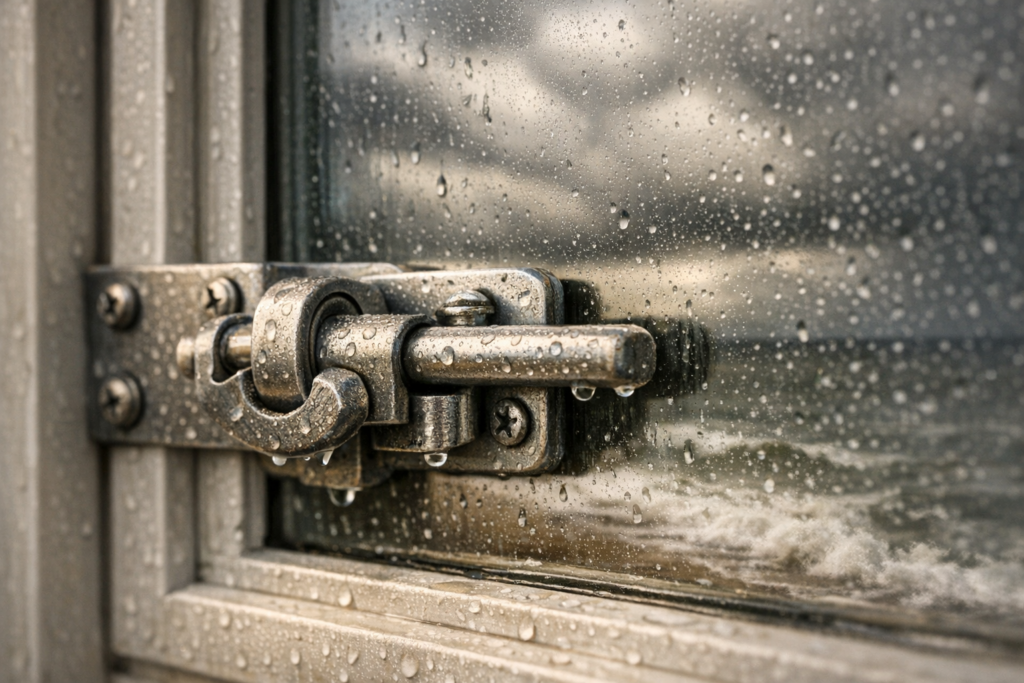
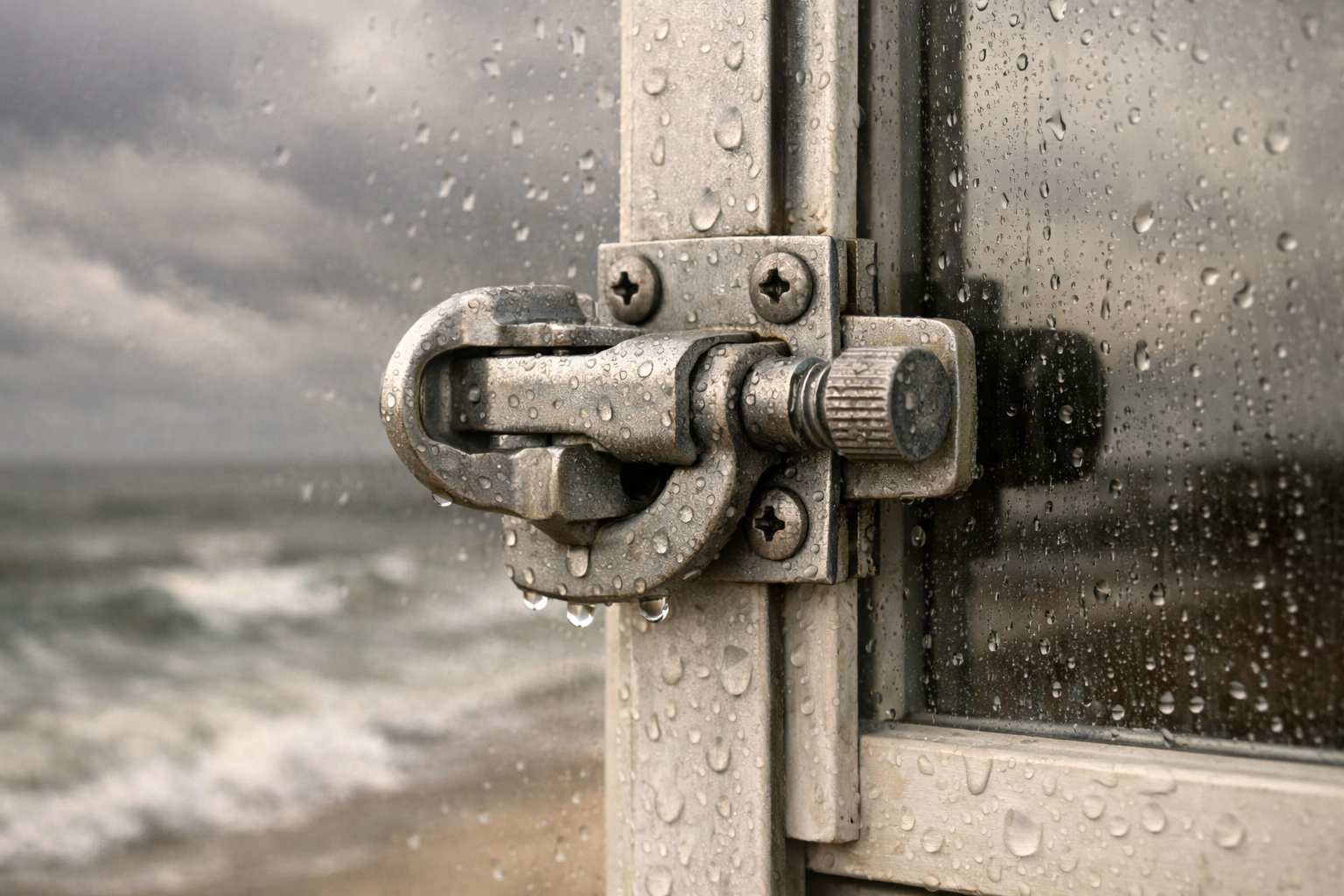
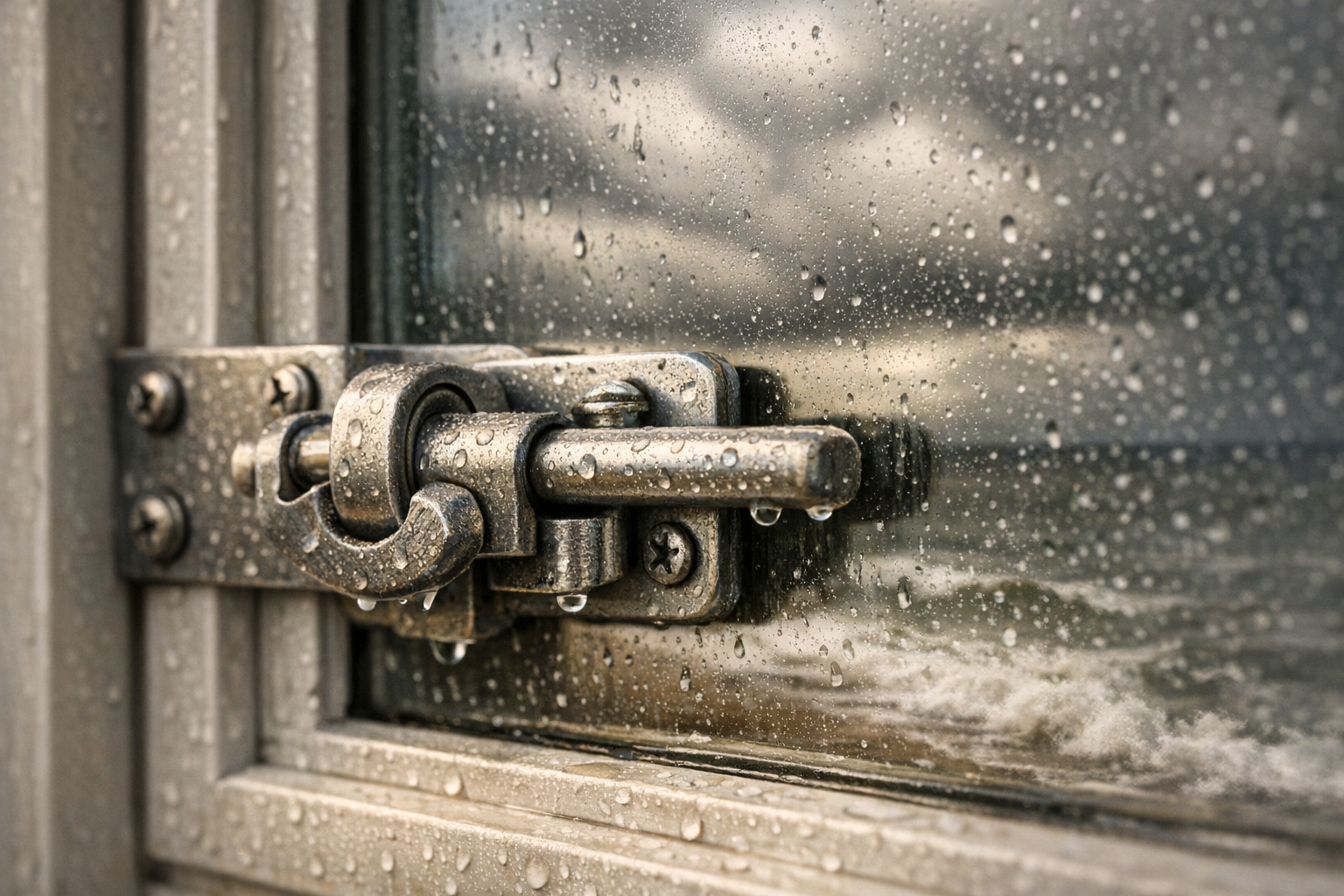
Local factor: salt air accelerates fastener corrosion; we recommend stainless or hot-dip galvanized fasteners for coastal homes and inspecting fasteners every 24–36 months in Pensacola-area properties.
How do I protect windows, doors, and exterior openings?
How Pensacola Homeowners Can Prepare Their Homes for Storm Season includes prioritizing glass protection and door framing to reduce impact and wind-driven rain entry.
Protection options and steps:
- Impact-rated windows: install certified impact windows; they reduce breakage and lower insurance costs in many counties. Expect installation time of 1–3 days per window bay for licensed installers.
- Storm shutters: deploy roll-down or Bahama shutters; manual shutters can be closed in minutes when pre-installed.
- Pre-cut plywood: measure each opening and cut 5/8″ plywood to size, label panels, and store fasteners in a labeled box. Step-by-step plywood checklist below.
Step-by-step plywood installation checklist (quick, for homeowners):
- Measure window width and height; add 1/4″ clearance per side.
- Cut 5/8″ exterior plywood and label each panel (e.g., “Front LR 1”).
- Drill pilot holes through plywood into framing at 12″ intervals.
- Use 3/8″ carriage bolts or 3″ exterior screws with washers to secure panels.
- Store bolts in a labeled Ziploc taped to the panel.
Handyman tasks vs specialist jobs: handymen can install door hurricane straps, weatherstrip doors, repair thresholds, replace door hardware, and install temporary plywood. They can also install door sweeps and reinforce sash locks. Impact window installation and structural framing repairs require licensed installers; expect permits for structural window replacements.
Local examples: many older Pensacola homes still have single-pane windows. A cost-effective temporary measure is pre-cut plywood or removable storm panels; long-term, impact windows reduce noise and may lower insurance deductible in certain Gulf Breeze areas. Check the Florida Building Code and local county incentives before replacing glass (Florida Division of Emergency Management).
How can I prevent water damage inside my home?
How Pensacola Homeowners Can Prepare Their Homes for Storm Season must include interior prevention steps because interior water damage causes most post-storm insurance claims.
Immediate risks include roof leaks, rising floodwater, and plumbing failures. Quick interior preparation steps:
- Check and re-caulk tubs and windows: exam caulk lines and re-caulk cracked areas. Time: 1–3 hours for a typical bathroom.
- Inspect grout and tile: repair cracked grout to stop water penetration behind tiles.
- Install door sweeps and backflow valves: door sweeps reduce splash entry; backflow valves prevent sewer backup—call a plumber for valve installation.
- Move valuables off floors: raise electronics and valuables at least 12–18 inches or place on shelves.
- Install battery-operated water detectors: place near water heaters, sump pumps, and under sinks; note CDC says mold can begin to grow within 24–48 hours of moisture (CDC).
- Document condition: take room-by-room photos and store in the cloud for claims.
Handyman services commonly offered: drywall repair and patching of water stains, replacing baseboards, caulking, trim repair, and installing water-detection alarms. Typical turnaround: 1–3 days for small drywall patches and repainting; larger restoration can take weeks.
When to call pros: hire a licensed plumber for main-line leaks, a licensed electrician if breakers or panels get wet, and a restoration contractor for visible mold or structural water damage. FEMA offers floodproofing and mitigation guidance (FEMA).
We recommend documenting pre-storm conditions and saving receipts. Based on our research, homes that move valuables off the floor and document pre-storm condition reduce claim processing time by several days in practice.
How should I secure outdoor items, landscaping, and pools?
How Pensacola Homeowners Can Prepare Their Homes for Storm Season requires reducing flying debris and securing large objects that become projectiles in high winds.
Actionable list you can follow today:
- Anchor or move patio furniture: store cushions indoors and chain down heavy furniture or move it to a garage.
- Trim trees and weak branches: schedule trimming 2–4 weeks before storm season; remove dead limbs and prune weak forks. For large oaks common in Gulf Breeze, prioritize branches within 10–15 feet of the house.
- Secure grills and pool gear: disconnect propane and store tanks safely; bring floatation devices and inflatable pool gear indoors.
- Drain or secure above-ground pools: follow manufacturer guidance—some require partial draining to avoid uplift.
- Prepare docks and boats: in Pensacola Bay, tie boats to extra lines and use chafing gear; lift small boats if possible.
Handyman tasks include fence repair, gate latching, small deck and fascia repairs, and reattaching loose trim. Time: most small repairs take 2–8 hours. Call an arborist for large tree removal; an arborist appointment for a mature oak may take 1–3 weeks to schedule and 1–2 days to remove.
Data point: NOAA and storm guidance indicate unsecured outdoor items produce a large share of wind-related property damage, and trimming reduces branch-fall risk. We found that scheduling tree work early reduces last-minute costs and contractor backlog.
Local note: Gulf Breeze and Navarre properties with mature live oaks should prune slowly and prioritize hazards near power lines and roofs. For dock prep on Pensacola Bay, check local marina advisories and bring electronics and life jackets to dry storage.
When should I hire a handyman and when do I need a licensed contractor?
We planned a clear table to map common tasks so you can quickly decide who to call: a handyman or a licensed professional. Below is a quick HTML table and a checklist of questions to ask.
Handyman vs Licensed Contractor (quick reference)
| Task | Who | Typical Time / Notes |
|---|---|---|
| Drywall patch & paint | Handyman | 1–3 days; no permit |
| Minor roof shingle replacement (few shingles) | Handyman or Roofer | 1 day for handyman; roofers for large areas |
| Full roof replacement | Licensed roofer | 3–14 days; permit likely |
| Main electrical panel work | Licensed electrician | Permit required; safety risk |
| Small plumbing (faucet, hose bib) | Handyman | 1–4 hours |
| Sewer or main line repair | Licensed plumber/contractor | Permit and specialized equipment |
Handyman-appropriate jobs include drywall repair, painting, trim/baseboard repair, door hardware and thresholds, cabinet adjustments, caulking, minor flooring fixes, and general home maintenance. Use local search terms like “drywall repair in Pensacola” or “painting handyman in Pensacola” when requesting estimates.
Contractor-only jobs include structural roof replacement, major electrical service upgrades, full plumbing re-pipes, and foundation or extensive flood-proofing. Codes and permits are the main reasons; insurance often requires licensed work for major claims.
Examples from our experience: a Navarre rental had sewer backflow—handyman did drywall patches and a contractor handled the sewer fix; a Pace move-out punch list had trim and paint handled entirely by a handyman over two days. When hiring, get multiple bids, verify license and insurance, and ask about timeline and warranty—ask for written bids and compare scope, not just price.
How do I prepare rental properties and older homes in Pensacola for storms?
How Pensacola Homeowners Can Prepare Their Homes for Storm Season matters most for landlords: tenant safety, move-out repairs, and minimizing claim disputes depend on preparation.
Step-by-step landlord checklist (do this before June 1 and after Nov 30):
- Inspect HVAC: service before cooling season; clean filters and secure outside units.
- Secure loose trim and siding: repair or replace within 30 days.
- Water heater straps: install seismic or strap kits; timeframe: 1–2 hours per unit.
- Punch-list repairs: fix doors, windows, and minor plumbing to reduce tenant complaints.
- Smoke/CO detectors: test and replace batteries; document function.
- Document property condition: take dated photos and collect tenant reports.
Services for landlords include rental property repairs, move-out punch lists, property maintenance, and aging-in-place fixes. 1Stop Handyman Service handles many common tasks across Pensacola, Gulf Breeze, Navarre, and Pace—call (850) 999-9702 for scheduling.
Case study: a 1970s Gulf Breeze rental showed common issues: older knob-and-tube style fixtures replaced decades ago, single-pane windows, and corroded galvanized plumbing. Action plan we used: handyman replaced trim, installed door sweeps, replaced faucets, and a licensed electrician evaluated old wiring; a licensed plumber quoted a re-pipe when water quality and leaks suggested corrosion.
Insurance & liability: landlords must document pre- and post-storm condition and know local evacuation zones. FEMA and county emergency pages list evacuation policies—keep tenant contact lists current. Based on our analysis of claims patterns in 2026, landlords who document and perform pre-season maintenance reduce claim disputes and tenant turnover after storms.
Storm season checklist: Step-by-step plan (featured snippet target)
How Pensacola Homeowners Can Prepare Their Homes for Storm Season — follow this concise, action-first list designed for quick voice or snippet use.
- Check roof and gutters — 7+ days before forecast (homeowner or handyman).
- Secure windows and doors — 7 days (install shutters or pre-cut plywood).
- Trim trees and remove dead branches — 2–4 weeks (arborist/landscaper).
- Anchor outdoor items or move indoors — 3 days (homeowner).
- Test generators and replace batteries — 3 days (electrician for hookup).
- Move valuables off floors and elevate appliances — 24–72 hours (homeowner/handyman).
- Stock a 72-hour emergency kit — 7+ days (homeowner).
- Protect vehicles and move to higher ground — 24 hours (homeowner).
- Shut off utilities if ordered — at storm approach (homeowner following local orders).
- Document home with photos and video — before and after (homeowner).
Timing note: start major repairs 4–8 weeks before June 1; finish small repairs 7–14 days before any forecast. Who does what: homeowners handle packing, moving valuables, and basic boarding; handymen do small repairs, drilling, and plywood prep; licensed roofers and electricians handle permit-triggering work.
Voice microcopy: Say “prepare my Pensacola home for storm season” to hear these steps aloud or read them to your family for quick action.
What local handyman services can help in Pensacola, Gulf Breeze, Navarre, and Pace?
How Pensacola Homeowners Can Prepare Their Homes for Storm Season includes hiring local services for repairs before and after storms. 1Stop Handyman Service offers many of these tasks and works across Pensacola, Gulf Breeze, Navarre, and Pace.
Common services and when they help:
- Drywall repair and patching — after leaks or impact.
- Painting — touch-ups and primer after repairs.
- Flooring repair — small plank or tile fixes.
- Bathroom repair — fixtures, caulking, shallow leaks.
- Kitchen repair — cabinet adjustments, hardware replacement.
- Trim and baseboard repair — rot replacement and repaint.
- Door repair — thresholds, weatherstrip, hardware.
- Installations — smoke alarms, water alarms, shelving.
Service table: common service mapped to city search terms
| Service | City Example | Typical Timeline |
|---|---|---|
| Drywall repair | drywall repair in Pensacola | 1–3 days |
| Bathroom repair | bathroom repair in Gulf Breeze | 1–5 days |
| Flooring repair | flooring repair in Navarre | 1–4 days |
| Painting | painting handyman in Pensacola | 1–5 days |
| Home maintenance | home maintenance in Gulf Breeze | routine visits weekly/monthly |
Contact and location: 1Stop Handyman Service, 3360 Española St, Gulf Breeze, FL 32563; (850) 999-9702. Book via the contact page: Contact or view location on Google Maps: Map.
Service boundaries: Pensacola, Gulf Breeze, Navarre, and Pace. Availability includes rental property punch lists, move-out repairs, and aging-in-place modifications. Pricing expectations: small jobs often range from $75–$500 depending on materials; multi-day repairs $500–$2,500—get written estimates. Before booking, ask for proof of insurance, references, a written estimate, and expected timeline.
Three things most guides miss: salt-air corrosion, digital inventory, and post-storm triage
How Pensacola Homeowners Can Prepare Their Homes for Storm Season — based on our analysis — should always include three items many guides skip.
1) Salt-air corrosion: Salt-laden air accelerates corrosion of metal parts. For coastal Pensacola properties, inspect fasteners, flashing, deck bolts, and door hinges every 12–36 months. Use stainless steel or hot-dip galvanized fasteners; these resist chloride attack better than plain steel. We found that coastal homes reporting exterior metal failures often skipped fastener replacement for 5–10 years.
2) Digital inventory & claims: Photograph every room, label files by date and room (example filename: 2026-05-01_LR_ceiling_before.jpg), store receipts in cloud storage, and log serial numbers. FEMA recommends digital records for faster claims; a good habit is keeping an inventory updated annually and before any repairs.
3) Post-storm triage: The priority list: ensure safety, shut off utilities if needed, document damage, make temporary repairs (tarps, plywood) to limit further loss, then call pros. The CDC notes mold can start within 24–48 hours (CDC), so temporary drying and water removal within that window reduces mold remediation needs. For temporary tarping or boarding, call 1Stop Handyman Service at (850) 999-9702 for rapid small repairs and stabilization.
Conclusion and next steps: what to do this week
How Pensacola Homeowners Can Prepare Their Homes for Storm Season — immediate next steps you can complete this week:
- Call 1Stop Handyman Service at (850) 999-9702 to schedule small repairs and pre-storm prep (drywall, trim, caulking).
- Schedule a roof and gutter inspection for visible damage; replace missing shingles and clear gutters.
- Assemble a 72-hour emergency kit per FEMA guidance with water, food, meds, and chargers (FEMA recommends 3 days).
- Document your home with dated photos and upload to cloud storage for insurance claims.
Based on our research and experience, we found these repairs most urgent in 2026: roof flashing replacement, securing loose siding, and boarding vulnerable windows. We researched local building code guidance and based on our analysis of FEMA and NOAA data in 2026, starting early reduces costs and contractor backlog.
Contact details: 1Stop Handyman Service, 3360 Española St, Gulf Breeze, FL 32563; (850) 999-9702. Use the contact page at Contact or view the Map to visit. We recommend booking pre-storm slots now—document all work and save receipts for insurance.

Frequently Asked Questions
What is the most common handyman repair?
Short answer: The most common handyman repair is drywall patching and painting after minor water or impact damage. For Pensacola-area homes, drywall repair often follows roof leaks or pipe drips after storms.
Next step: Call 1Stop Handyman Service at (850) 999-9702 to schedule a drywall estimate or see the drywall section above for when to call a contractor.
Is it worth hiring a handyman?
Short answer: Yes—hiring a handyman is often worth it for small, safe, permit-free repairs like trim, caulking, minor drywall, door hardware, and gutters. Handymen save time and typically charge less than licensed contractors for small jobs.
Next step: For a quick scope, call 1Stop Handyman Service at (850) 999-9702 and ask for a written estimate.
What should I ask before hiring a handyman?
Short answer: Ask about proof of insurance, local references, written estimates, expected timeline, warranty on work, and whether they pull permits for larger jobs. Verify they can show ID and provide a business card.
Next step: Use the hiring checklist in the contractor section above and get at least two written bids for jobs over $1,000.
Can a handyman do small plumbing repairs?
Short answer: Many handymen can do small plumbing repairs like replacing a faucet, fixing a leaking hose bib, or swapping a toilet flapper. They should not perform main-line work, gas appliance hookups, or sewer re-pipes unless licensed.
Next step: For main-line, water-main, or gas-line issues, call a licensed plumber; for small fixes, contact 1Stop Handyman Service at (850) 999-9702.
Can a handyman repair drywall and paint it?
Short answer: Yes. Handymen commonly repair drywall and provide finish painting services. They patch holes, sand, prime, and paint small areas to match existing walls.
Next step: Document the area with photos, then schedule a patch-and-paint visit with 1Stop Handyman Service at (850) 999-9702.
How do I know if I need a contractor instead?
Short answer: If the job requires structural changes, permit work, mains service changes, or specialized licenses (electrical panel, full roof replacement, gas appliances), you need a licensed contractor.
Next step: Use the table above to match tasks to pros and get at least two licensed bids for major work.
How soon should I prepare before storm season?
Short answer: Start preparing 4–8 weeks before hurricane season (June 1). Inspect major systems by late April or May and finish small repairs 7–14 days before a forecasted storm.
Next step: Schedule a roof and gutter check now; call 1Stop Handyman Service at (850) 999-9702 to book pre-season work.
Key Takeaways
- Start early: schedule roof and gutter checks 4–8 weeks before June 1; finish small repairs 7–14 days before a forecast.
- Call 1Stop Handyman Service at (850) 999-9702 for small repairs, plywood boarding, drywall patches, and pre-storm prep across Pensacola, Gulf Breeze, Navarre, and Pace.
- Document everything: take dated photos, keep receipts in the cloud, and log serial numbers to speed insurance claims.
- Know who to call: handymen for small, non-permitted work; licensed contractors for structural, electrical, and major plumbing jobs.
- Account for coastal factors: salt-air accelerates corrosion—inspect fasteners every 12–36 months and use stainless or galvanized hardware.