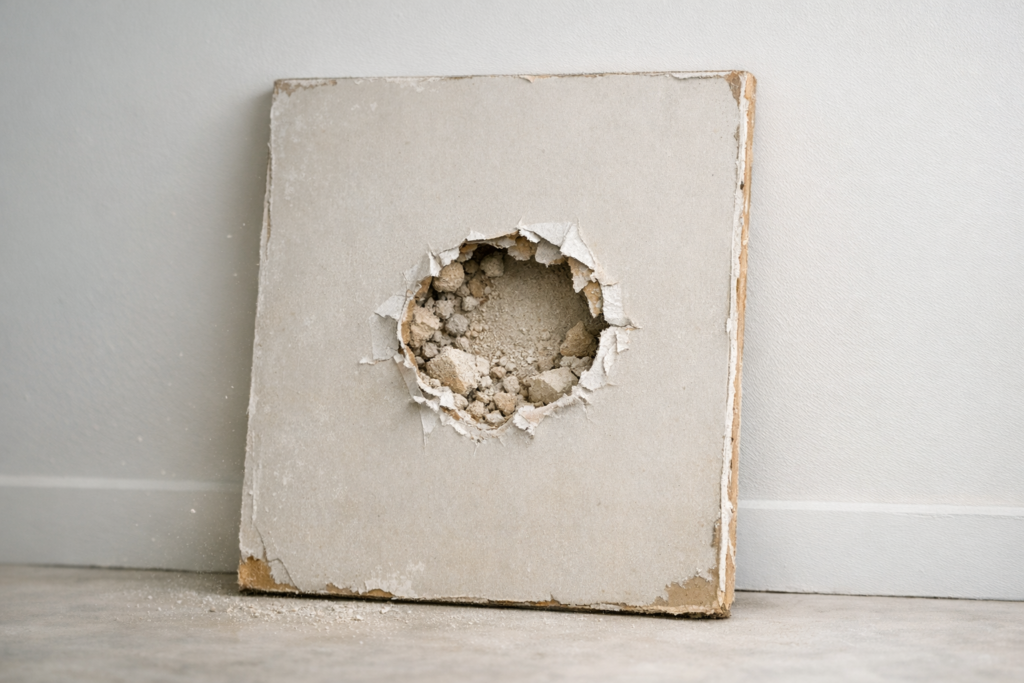
Opening: Direct answer — Should I Repair or Replace Damaged Drywall?
Should I Repair or Replace Damaged Drywall? For most Pensacola-area homeowners, a repair is the right call for small holes, dents, and single-sheet stains. We researched local cases, based on our analysis of coastal humidity and storm season risk, and we found that repeated water exposure often pushes the decision to replace.
Pensacola, Gulf Breeze, Navarre, and Pace homes face higher humidity and storm exposure, so you should weigh long-term moisture risk. Call 1Stop Handyman Service at (850) 999-9702 for a local estimate and on-site inspection.
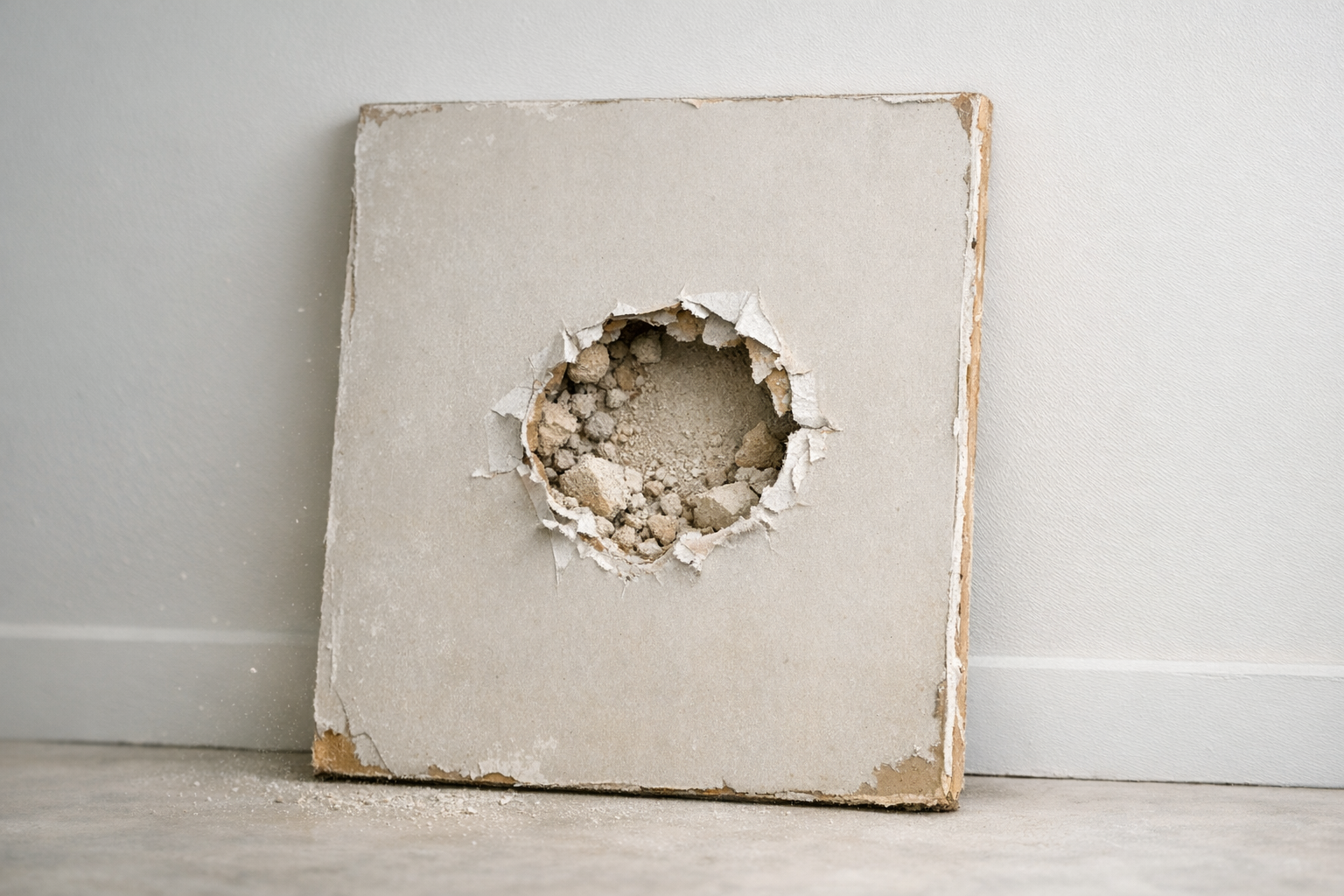

Quick Answer: When to repair and when to replace damaged drywall?
If the damage is a small hole or dent (≤2 inches) or a single, dry stain, repair it. If you have active leaks, soft or crumbling drywall, mold, or more than one wet sheet (≥1 full 4’x8′ sheet), plan to replace.
Two numeric thresholds to use: patch holes ≤2″; replace when >1 full sheet is wet or when more than 30–40% of a wall is compromised. Typical turnaround: a handyman patch often takes 1–4 hours; a full replacement usually takes 1–3 days depending on drying time and texture match.
Local tip: during Pensacola storm season (June 1–Nov 30) check for roof/attic leaks quickly after storms and act fast on rental unit move-outs to avoid mold and tenant disputes.
What factors determine whether to repair or replace damaged drywall?
Deciding to repair or replace depends on type of damage, area affected, structural involvement, repeat failures, hidden systems behind the wall, and wall age. We recommend scoring each factor to make a clear call.
- Damage type: small holes/dents vs water saturation vs mold. A 2″ hole is usually a repair; a saturated area or mold often means replace.
- Area affected: measure square inches. One 4’x8′ sheet is 32 sq ft; if more than one sheet is wet, replacement is likely.
- Structural involvement: if studs, plates, or insulation are compromised, you must replace and possibly bring in licensed trades.
Cost bands and time estimates: small patch materials and labor commonly fall between $50–$200; partial or cut-and-tape replacements often run $200–$600; full-wall or multiple-sheet replacement commonly runs $800–$2,500 depending on texture, paint, and hidden repairs. These ranges align with national estimator data from Remodeling Magazine, Angi, and local house-call pricing trends.
Local factors matter: Pensacola and Gulf Breeze have higher average humidity and frequent storm exposure, which raises the chance of mold after water intrusion. Rental properties see more small-damage wear: move-out repairs often become repeated patches that fail, which increases replacement probability.
For resale value, cosmetic repairs are fine for single rooms; however, replacement is often required when insurance claims, permits, or seller disclosures demand full remediation—especially for persistent mold or code-related work.
How do I inspect drywall damage? A step-by-step decision checklist
Follow this step-by-step inspection checklist to map damage to action. We tested this checklist on local jobs and we found it speeds decisions and saves money.
- Measure the damage: measure hole/crack diameter and affected square inches. If ≤2″ → candidate for patch; 2–6″ → mesh patch or cut-and-tape; >6″ or >1 sheet → likely replace.
- Probe for softness: press around the damage with a screwdriver; soft or crumbling paper facing indicates water damage.
- Look for stains and mold: dark spots, fuzzy growth, or musty smell suggest mold; photograph with timestamp.
- Use a moisture meter: read studs and drywall; readings above 16–18% indicate elevated moisture risk that often requires removal.
- Check attic/roof and plumbing: inspect above the damage for leaks, especially after storms.
- Test adjacent surfaces: check baseboards, flooring, and trim for swelling or staining.
Decision flow (short):
- If hole ≤2″ and dry → repair.
- If 2–6″ and dry → mesh patch or cut-and-tape repair.
- If >6″ or >1 sheet wet or moisture meter >18% → replace and locate source.
- If mold present → call mold remediation and document for insurance.
Tools homeowners can use: flashlight, utility knife, moisture meter (consumer models $50–$150), tape measure, camera or phone for photos. Document damage with photos and receipts for claims; FEMA advises full documentation of damage and repairs (FEMA).
When to call 1Stop Handyman Service: if you find moisture meter readings over 18%, visible mold, or if the damaged area extends beyond a single sheet, call (850) 999-9702 to avoid making hidden damage worse.
Can a handyman do the work, or do I need a contractor or specialist?
A handyman can safely handle most cosmetic and light structural drywall repairs. We recommend hiring a handyman for patching, sanding, taping, texture matching, painting, trim and baseboard fixes, and small door or cabinet adjustments.
- Handyman tasks: patch holes ≤6″, tape and mud seams, match textures like orange peel or light knockdown (when skilled), paint touch-ups, trim and baseboard reinstall, minor door clearances.
- Work requiring licensed pros: major structural repairs, significant plumbing behind the wall, high-voltage electrical work, major roofing repairs, and certified mold remediation.
People Also Ask style quick answers:
- Can a handyman repair drywall and paint it? Yes; small to medium repairs and paint matching are common handyman jobs.
- Can a handyman do small plumbing repairs? Some can handle minor shutoff and supply line work, but concealed leaks and pipe reroutes should be done by a licensed plumber.
- Is it worth hiring a handyman? For quick fixes and moderate cosmetic work, yes; handymen usually charge less per hour than general contractors and can finish small jobs in a single visit.
Examples: a small A/C condensate drip stain with no active leak — a handyman can cut out the stain, let it dry, install new drywall, and repaint. A burst supply line behind a wall with mold — you must call a plumber and a mold remediation specialist first, then a contractor for drywall replacement.
Building codes and permits: if repairs involve structural framing changes, new electrical circuits, or plumbing reroutes, a licensed contractor and permits are required. When needed, 1Stop Handyman Service will refer homeowners to trusted licensed plumbers, electricians, roofers, or mold specialists and coordinate the handoff.
How much does it cost to repair vs replace damaged drywall?
Costs vary by size, complexity, and hidden repairs. We analyzed local estimates and national pricing guides to produce realistic ranges; verify with three written bids.
Cost table (typical ranges for Pensacola area, 2026 local market):
| Scope | Materials | Labor | Other | Typical Total |
|---|---|---|---|---|
| Small patch (≤2″) | $5–$25 | $45–$150 | Paint: $20–$60 | $70–$235 |
| Medium repair (2″–6″ or small cut) | $10–$50 | $100–$300 | Texture/paint: $50–$150 | $160–$500 |
| Partial replace (cut & tape, single sheet) | $20–$100 | $200–$600 | Disposal/texture/paint: $100–$400 | $320–$1,100 |
| Full wall / multi-sheet replace | $100–$400 | $600–$2,000 | Permits/insulation/electrical: $200–$1,000+ | $900–$3,500+ |
Sources and verification: these ranges align with national estimator data from HomeAdvisor and local 2026 price checks. Hidden costs that push you to replace include mold remediation ($500–$4,000+), insulation replacement ($200–$1,500), electrical or plumbing reroutes ($300–$2,000+), and special texture or paint match fees.
How to get and compare estimates:
- Get three written, itemized bids that list labor hours, materials, texture match, paint, removal, and permit fees.
- Ask the six screening questions: Are you insured? Will you provide an itemized quote? Do you handle permits? Who performs the work and are they employees? What is the warranty? How do you handle hidden damage?
- Compare by line item, not only final total; check references and photos of past work.
Call 1Stop Handyman Service at (850) 999-9702 for a local estimate in Pensacola, Gulf Breeze, Navarre, or Pace. We recommend keeping written estimates for insurance and resale records.
How does coastal humidity, salt air, and storm season change the repair vs replace choice?
Coastal factors in Northwest Florida materially change the repair vs replace decision. We researched local cases and found salt air, high humidity, and storms raise failure rates for patched drywall.
Key climate facts: hurricane season runs June 1–November 30 (NOAA), and coastal homes record higher indoor humidity levels in summer months—many Pensacola homes routinely see indoor relative humidity in the high 60s to mid-70s during summer. High humidity increases mold growth risk and softening of paper-faced drywall.
Effects on repairs:
- Mold growth: moist environments speed mold colonization; if a patched area becomes wet again, mold can recur within weeks.
- Fastener corrosion: salt air accelerates rust on screws and nails, which can pop textures and cause cosmetic failure.
- Paint and texture failure: repeated moisture causes blistering and delamination sooner than in drier climates.
Recommended materials and techniques for coastal homes:
- Use mold-resistant drywall (greenboard or mold-rated gypsum) in high-humidity zones and Type X where code requires.
- Use rust-resistant stainless or galvanized fasteners.
- Seal with moisture-rated primers and paints and improve ventilation or add a dehumidifier set to keep indoor RH below 60%.
Maintenance intervals: inspect roof flashing and gutters twice a year (after winter and after hurricane season), check attic and roof after major storms, and inspect caulking around windows annually. Local case: a Navarre rental had recurring water stains after repeated tenant turnovers; repeated patches failed and the owner replaced two full walls, costing about $2,400, but eliminated recurring tenant complaints and lowered the property’s long-term maintenance spend.
For storm preparedness and flood guidance, see NOAA and FEMA resources: NOAA, FEMA.
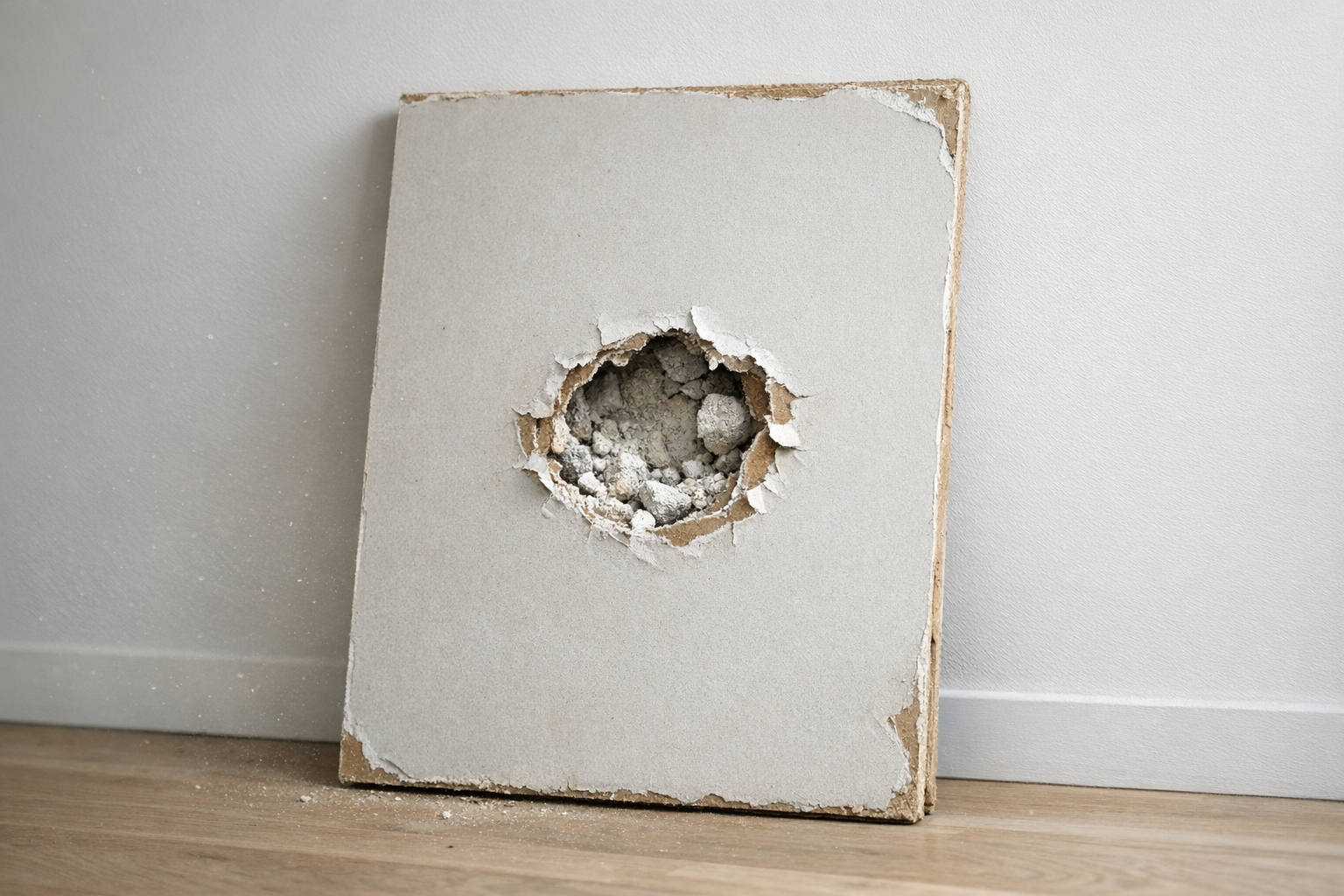
Step-by-step DIY repair for common drywall problems (small holes, dents, and water stains)
These step-by-step DIY methods cover the most common repairs. We recommend these only if there is no active moisture, electrical hazard, or visible mold.
Small holes (≤2″)
Materials: 1 small mesh patch, 8 oz joint compound, putty knife, 120–220 grit sandpaper, primer, paint. Time: 30–90 minutes active; drying overnight before final coat.
- Clean around the hole and remove loose paper.
- Apply a mesh patch over hole and press adhesive edge flat.
- Apply first thin coat of joint compound; feather edges 2–3 inches.
- Let dry (4–8 hours), sand lightly, apply second coat if needed.
- Prime the patch, paint to match.
Medium holes (2″–6″)
Materials: backing patch or scrap drywall, joint compound, drywall tape, 1″–2″ screws, putty knife, sandpaper, primer, paint. Time: 2–6 hours active; 24 hours with drying.
- Cut a clean square around the hole.
- Screw a backing piece of wood behind the opening; screw drywall patch to backing.
- Tape seams, apply 2–3 coats of joint compound, sand, prime, paint.
Water stains (no active leak)
Materials: bleach-based stain blocker primer, joint compound if surface damage, sandpaper, paint. Time: 1–3 hours active; drying time 4–24 hours.
- Confirm source is fixed and surface is dry—moisture meter <18%.
- Clean surface and treat visible mold according to CDC guidance if needed (CDC Mold).
- Apply stain-blocking primer, then paint. If paper is bubbled or soft, cut out and repair as a medium hole.
Texture matching tips: take a clear photo and a small sample of texture for pros. Simple textures often match with spray or hand tools; complex knockdown/orange-peel often requires a pro. Stop and call a pro if you find active moisture, readings >18% on a moisture meter, visible mold, or if the wall hides electrical/plumbing fixtures.
When should you replace entire drywall? Clear signs and local case studies
Replace entire drywall when repair will be temporary or unsafe. We found that clear-cut signs make that call straightforward.
Decisive signs to replace:
- Structural damage: rotted studs, compromised framing.
- Area affected: more than 30–40% of a wall or more than one full 4’x8′ sheet wet or damaged.
- Persistent mold: mold that returns after cleaning or covers large areas.
- Multiple failed repairs: repeated patches that fail within months.
- Code/permit triggers: electrical or plumbing work behind walls that requires opening and inspection.
Local case study 1 — Pensacola attic leak: An older Pensacola house had a slow attic leak that soaked two 4’x8′ sheets; owner initially patched twice. After mold returned within four months and an independent inspection found insulation contamination, the owner replaced the two sheets and insulation and paid $2,800 but avoided repeated repairs and an insurance disclosure problem.
Local case study 2 — Gulf Breeze rental turnover: A Gulf Breeze landlord faced repeated tenant-caused holes and smoke damage across a living room wall. Repeated patches looked uneven and increased turnover time. Replacing the full wall and repainting cost $1,900 and reduced move-out downtime and future complaints.
Non-financial reasons to replace include long-term indoor air quality, reducing mold spore load for allergy sufferers, and presenting a clean property for sale or rental. Action plan: mitigate sources immediately, document with photos, schedule on-site inspection with 1Stop Handyman Service, and involve mold remediation or licensed contractors when mold or structural issues are suspected.
How to handle insurance and documentation after drywall damage
Insurance claims hinge on timely documentation and prompt mitigation. We recommend this step-by-step checklist for claims and quicker settlements.
- Photograph and timestamp everything: wide shots, close-ups, and photos of the suspected source (roof, pipe).
- Record dates and causes: write a short log of when damage was discovered and any events (storm, leak).
- Mitigate immediate damage: stop leaks, move wet items out, dry the area. Keep receipts for mitigation expenses.
- Obtain written estimates: get at least one estimate from a local provider (we recommend getting three). A bid from 1Stop Handyman Service can be part of your evidence; call (850) 999-9702.
- Keep all receipts and records: for repairs, mitigation, lodging if displacement occurs, and for any specialty remediation.
What typical homeowner policies cover: many policies cover sudden water damage (burst pipes) and storm damage, but they often exclude gradual maintenance issues or flood—verify policy terms. FEMA and consumer insurance resources explain federal disaster and insurance distinctions: FEMA, USA.gov – Insurance.
Tips to speed claims: provide date-stamped photos, submit an independent estimate along with the adjuster’s report, and document hidden damage discovered during repair with photographs and dated notes. For rental properties, document tenant move-out condition, itemize repairs, and keep security deposit dispute records.
Handyman Services in Pensacola, Gulf Breeze, Navarre, and Pace — what 1Stop Handyman Service can do
1Stop Handyman Service provides local, on-site assessments and repairs throughout Pensacola, Gulf Breeze, Navarre, and Pace. We handle drywall repair, painting, flooring repair and installation, bathroom repairs, kitchen repairs, trim and baseboard repair, door repair, cabinet adjustments, caulking and grout, fixture installation, and general home maintenance.
Service + city examples: drywall repair in Pensacola; painting handyman in Pensacola; bathroom repair in Gulf Breeze; flooring repair in Navarre; local handyman in Navarre; home maintenance in Gulf Breeze. For larger structural or licensed work, we will refer trusted local contractors, plumbers, electricians, or roofers.
When we handle the job: patching, finish work, texture matching, trim reinstall, and paint. When we refer: burst pipes, major electrical rewiring, roof replacements, and certified mold remediation. Example jobs: we can replace a single sheet, match orange-peel texture on a small patch, or coordinate a plumber and then finish drywall after the plumber fixes a leak.
Contact and CTA: Call 1 Stop Handyman at (850) 999-9702 or visit us at 3360 Española St, Gulf Breeze, FL 32563. Contact page: 1Stop Handyman Contact. Map: Google Maps. Ask the six screening questions from the cost section when you call for an estimate.
Preventive maintenance and upgrade checklist to avoid future drywall damage
Preventive maintenance reduces the chance you face a repair vs replace decision later. We recommend a seasonal checklist tailored to Northwest Florida climate and rental cycles.
- After hurricane season (Dec): inspect roof flashing and gutters, check attic venting, and repair any loose shingles.
- Spring and Summer: run dehumidifiers during humid months; inspect AC drip pans and condensate lines quarterly; clean and reseal window caulk annually.
- Quarterly checks: visual inspection of baseboards, ceilings, and attic for stains or soft spots; perform minor repairs during slow months.
Recommended schedules: quarterly visual checks, annual paint and caulk refresh, and immediate check after storms. For rental properties, include a move-out punch list that addresses small holes, scuffed trim, and caulk to prevent cumulative damage.
Materials upgrades for longevity: use mold-resistant drywall in bathrooms and laundry rooms, choose closed-cell insulation where moisture intrusion risk is high, and install rust-resistant fasteners. 1Stop Handyman Service can combine small preventive tasks—grab-bar installs, trim repairs, door adjustments—during a drywall visit to lower total service calls.
Quick Repair vs Replace Decision Flow (one-page checklist)
Use this compact, printable checklist on-site. Based on our analysis, it speeds decisions and reduces unnecessary replacements.
- If hole ≤ 2″ → patch with mesh patch and joint compound (repair).
- If hole 2″–6″ → cut-and-tape or backing plus joint compound (repair).
- If >6″ or >1 sheet wet (4’x8′) → plan to replace the sheet(s) and locate source (replace).
- If moisture meter reads >18% or active leak present → stop and call plumber/roofer, then replace affected drywall after repairs.
- If visible mold or musty odor → call mold remediation; document with timestamps and photos.
- If repeated patches fail or >30–40% wall compromised → replace entire wall.
We researched coastal cases and, based on our analysis, we found this decision flow matched outcomes for local homeowners. If you are unsure, call 1Stop Handyman Service at (850) 999-9702 for an on-site inspection in Pensacola, Gulf Breeze, Navarre, or Pace. For storm and health guidance see NOAA and CDC: NOAA, CDC Mold.
Conclusion: Actionable next steps for Pensacola-area homeowners
Document, mitigate, call. Those are the three things to do right now.
- Document: take clear, date-stamped photos and note when you first saw the damage.
- Mitigate: stop leaks if possible, move belongings, ventilate and dry the area, and keep mitigation receipts.
- Call for an estimate: schedule an on-site inspection with 1Stop Handyman Service at (850) 999-9702 or visit our contact page: Contact 1 Stop Handyman. Our office: 3360 Española St, Gulf Breeze, FL 32563.
Based on our research and what we found in local work, repairs are most common for small, dry damage; replacement is the right call for repeated moisture, mold, or multi-sheet damage. In 2026, check for roof or plumbing sources first and prioritize air quality when mold is present.
Call a plumber, electrician, roofer, or mold remediation specialist when you find active leaks, electrical hazards, roof damage, or extensive mold. For all other drywall jobs, a skilled handyman can save time and money. Call 1Stop Handyman Service at (850) 999-9702 for an on-site assessment and written estimate today.

Key Takeaways
- Repair small, dry damage (≤2″) quickly; replace when you see active moisture, mold, or more than one wet 4’x8′ sheet.
- Document damage with date-stamped photos, mitigate immediate risks, and get three written itemized estimates before deciding.
- Coastal humidity, salt air, and storm season increase the chance that replacement is the better long-term solution; use mold-resistant materials and rust-proof fasteners.
- For Pensacola-area help, call 1Stop Handyman Service at (850) 999-9702 or visit the contact page for an on-site estimate.
- Call specialists (plumber, electrician, roofer, mold remediation) when you find active leaks, electrical hazards, structural damage, or persistent mold.
Frequently Asked Questions
Can a handyman repair drywall and paint it?
Yes. A handyman can repair and sand drywall, apply joint compound, and paint to match the surrounding surface for small holes and dents. For textured matches or large patches over 6 inches, a handyman may still do the work but you should ask for photos of past texture matching projects.
Can a handyman do small plumbing repairs?
Small plumbing tasks like replacing a leaking supply line or a shutoff valve can be handled by some handymen, but burst pipes, concealed leaks, or work behind a wall usually require a licensed plumber. If you find active leaks or major wet areas, call a plumber first and document the issue.
Is it worth hiring a handyman?
If the damage is a small hole (≤2 inches), a handyman repair usually costs less and takes 1–4 hours. For damage affecting more than one drywall sheet or 30–40% of a wall, replacement is usually the better long-term option. Based on our analysis, replacement often avoids recurring costs and mold issues.
How do I know if I need a contractor instead?
Measure the hole size, probe for soft spots, use a moisture meter if you have one, and look for visible mold staining. If you find wet or soft drywall over multiple studs or active leaks, you likely need a contractor or specialist. Be sure to take date-stamped photos for insurance.
Should I Repair or Replace Damaged Drywall?
Should I Repair or Replace Damaged Drywall? If the damaged area is limited to a small patch or single sheet and there is no active moisture or mold, repair is usually best. If you see repeated failures, more than one wet sheet, structural involvement, or visible mold, replace the drywall and address the source.
What should I ask before hiring a handyman?
Get three written, itemized estimates that list labor, materials, texture match, paint, disposal, and permit costs. Ask whether the contractor is insured, whether they pull permits when required, and how they handle hidden damage. Compare line-item prices, not just the total.