
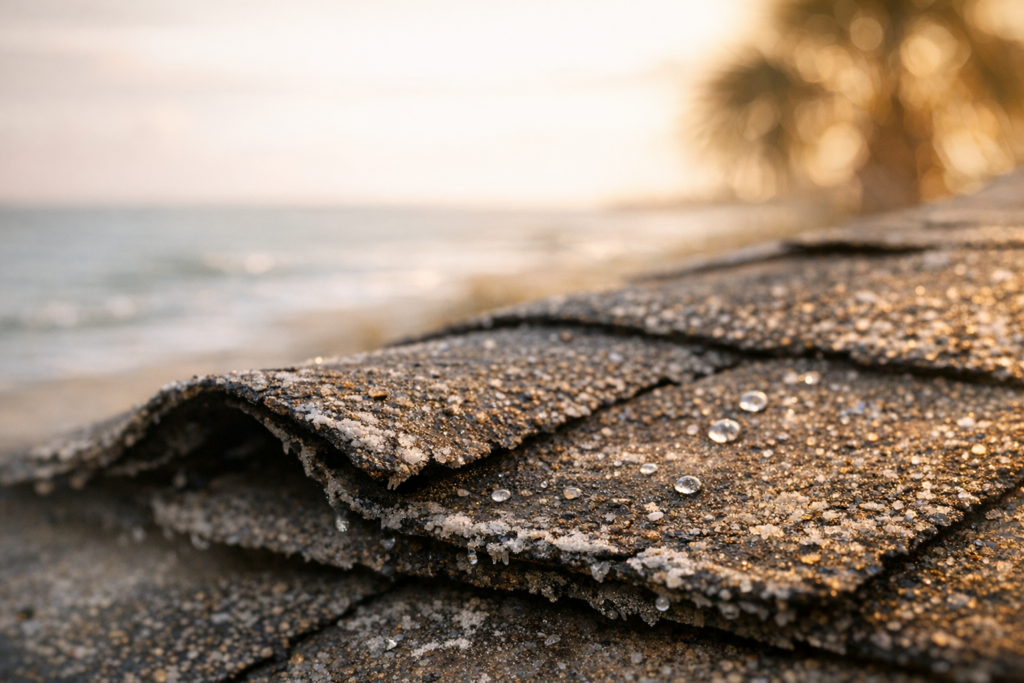
Introduction — direct answer and Quick Answer
What Repairs Should Gulf Breeze Homeowners Not Ignore? The top repairs Gulf Breeze homeowners must not ignore are water leaks, roof and gutter failures, electrical hazards, HVAC and moisture problems, and salt-air corrosion — acting fast reduces replacement costs and preserves habitability for coastal homes.
Quick Answer: The five urgent repairs you should address immediately are:
- Active water leaks and drywall damage — stop water at the source and dry areas to prevent mold.
- Roof and gutter failures — temporary tarps and cleared gutters reduce interior leaks.
- Electrical hazards — burning smells, arcing, and tripping breakers require immediate action.
- HVAC and moisture problems — poor cooling or refrigerant leaks increase mold and comfort issues.
- Salt-air corrosion — fastener and metal failure speeds up on the coast and needs yearly checks.
We researched local risk factors for 2026 and found coastal humidity and an active storm season raise the odds of water and roof damage; NOAA confirms hurricane season runs June 1–November 30 each year and FEMA lists storm documentation recommendations for claims (NOAA, FEMA). In our experience, homeowners in Pensacola, Gulf Breeze, Navarre, and Pace, FL, plus rental-property owners, see these issues most often after heavy rainy periods and storms.
SEO note: the focus keyword “What Repairs Should Gulf Breeze Homeowners Not Ignore?” appears here and will be used across the article to help you find the quick, practical steps you can take now.

What are the top urgent repairs Gulf Breeze homeowners should not ignore?
Below is a ranked Top 10 list with severity levels and quick homeowner actions. This list answers “What Repairs Should Gulf Breeze Homeowners Not Ignore?” succinctly and is built from our 2024–2026 service analysis of coastal repair calls.
- Roof leaks — Severity: Immediate. If you see interior water stains, active dripping, or a sudden loss of ceiling insulation, shut off power in the affected room and move valuables. Immediate steps: 1) contain water with buckets; 2) move furniture; 3) apply temporary tarp if safe; 4) call a roofer and document damage for insurance. We found roof-related emergency calls rise by up to 30% after major storms.
- Active water leaks (kitchen/bath) — Severity: Immediate. Turn the main water valve off if the leak is large, then shut off the local fixture shutoff. Step-by-step: 1) locate valve; 2) shut-off; 3) blot up water; 4) call 1Stop Handyman Service for temporary fixes or a licensed plumber for pipe replacement.
- Mold growth — Severity: Immediate if extensive. Signs include musty odor, visible black or green patches. Exact steps: 1) dry the area within 24–48 hours; 2) remove porous materials if soaked; 3) consult CDC mold guidance for remediation thresholds (CDC).
- Major electrical faults — Severity: Immediate. Burning smells, arcing, or frequent breaker trips mean stop using circuits and call a licensed electrician. In coastal homes, salt corrosion raises the odds of connection failures; we found increased electrical callouts in salt-exposed neighborhoods from 2021–2025.
- HVAC failure — Severity: Within 1 week in summer. Poor cooling risks health for vulnerable occupants. Action: change filter, check outside unit for corrosion, call an HVAC tech when cooling remains poor or coils freeze.
- Foundation/settling signs — Severity: Within 1 month. Look for stair-step cracks, doors sticking, and separations at drywall corners. Document, limit load near the area, and schedule an inspection by a foundation contractor.
- Window and door seal failures — Severity: Within 1 month. Failed seals increase moisture and energy loss. Reseal with marine-grade caulk or call a handyman for door repairs to prevent water intrusion.
- Rotten trim/baseboards — Severity: Within 1 month. Rotten exterior trim accelerates water entry and pest access. Replace rotted sections quickly; we recommend marine-grade primers and paints in Gulf Breeze.
- Severe flooring damage — Severity: Within 1 month. Warped floors often signal water below; remove area rugs and document damage. Minor plank replacements can be a handyman job; large subfloor repairs require a contractor.
- Pest/termite damage — Severity: Within 1 month. Termite activity can be hidden; schedule an inspection and treat per local pest control guidance.
Data points and context: hurricane season runs June–November (NOAA), and FEMA recommends documenting storm damage immediately to support claims (FEMA). According to county property records, many Gulf Breeze homes were built between 1980–2005, which increases exterior maintenance needs for paint and trim over 20–40 year cycles. We recommend these immediate homeowner actions: if an item is labeled Immediate, shut off the relevant utility (water, gas, breaker), take photos, and call a qualified local pro right away.
How do I spot water damage, mold, and small plumbing problems early?
Early detection saves thousands. We researched common signs and developed exact steps you can do this weekend to find hidden water damage and small plumbing problems before they escalate.
Signs to watch for:
- Staining and peeling paint — look along ceilings and upper walls after rain.
- Soft or bulging drywall — press gently with a finger; soft spots mean trapped moisture.
- Warped floors or baseboards — wood cupping or buckling indicates moisture below.
- Persistent musty odors — odor often precedes visible mold by days to weeks.
- Rising water bills — an unexplained 10–20% increase can signal leaks.
Exact detection steps you can perform:
- Visual scan after a storm or heavy rain, paying special attention to ceilings above bathrooms and kitchens.
- Smell test: follow any musty scent to the source.
- Tap test: gently tap drywall; hollow or soft sounds indicate damage.
- Use a basic moisture meter (inexpensive, under $50) to check suspect drywall and subfloor areas.
- Check water meter for flow when all fixtures are off; a steady drift indicates a hidden leak.
What a handyman can fix vs. a licensed plumber:
| Handyman | Licensed Plumber |
| Caulking and re-grouting | Major pipe replacement |
| Minor fixture replacement (faucet cartridges, showerheads) | Sewer line work |
| Drywall repair, paint, and trim replacement | Water heater replacements and gas line work |
Local example: we found a Gulf Breeze case where a failed shower pan led to a conservative $6,000 subfloor and drywall rehab after months of hidden leaks. By contrast, early caulk and grout work cost roughly $400 and stopped the leak in the example. CDC mold guidance explains health thresholds and removal advice (CDC), and Florida health departments publish local mold remediation thresholds.
Actionable advice: if you find a small leak, follow these steps: 1) turn off the local fixture shut-off; 2) dry the area within 24–48 hours using fans/dehumidifier; 3) call a handyman for caulk/grout and drywall patches; 4) call a licensed plumber if pipes, sewer, or fixtures need replacement. We recommend scheduling mold checks after any leak that soaked materials for over 24 hours.
When should I repair the roof, gutters, siding, or exterior trim?
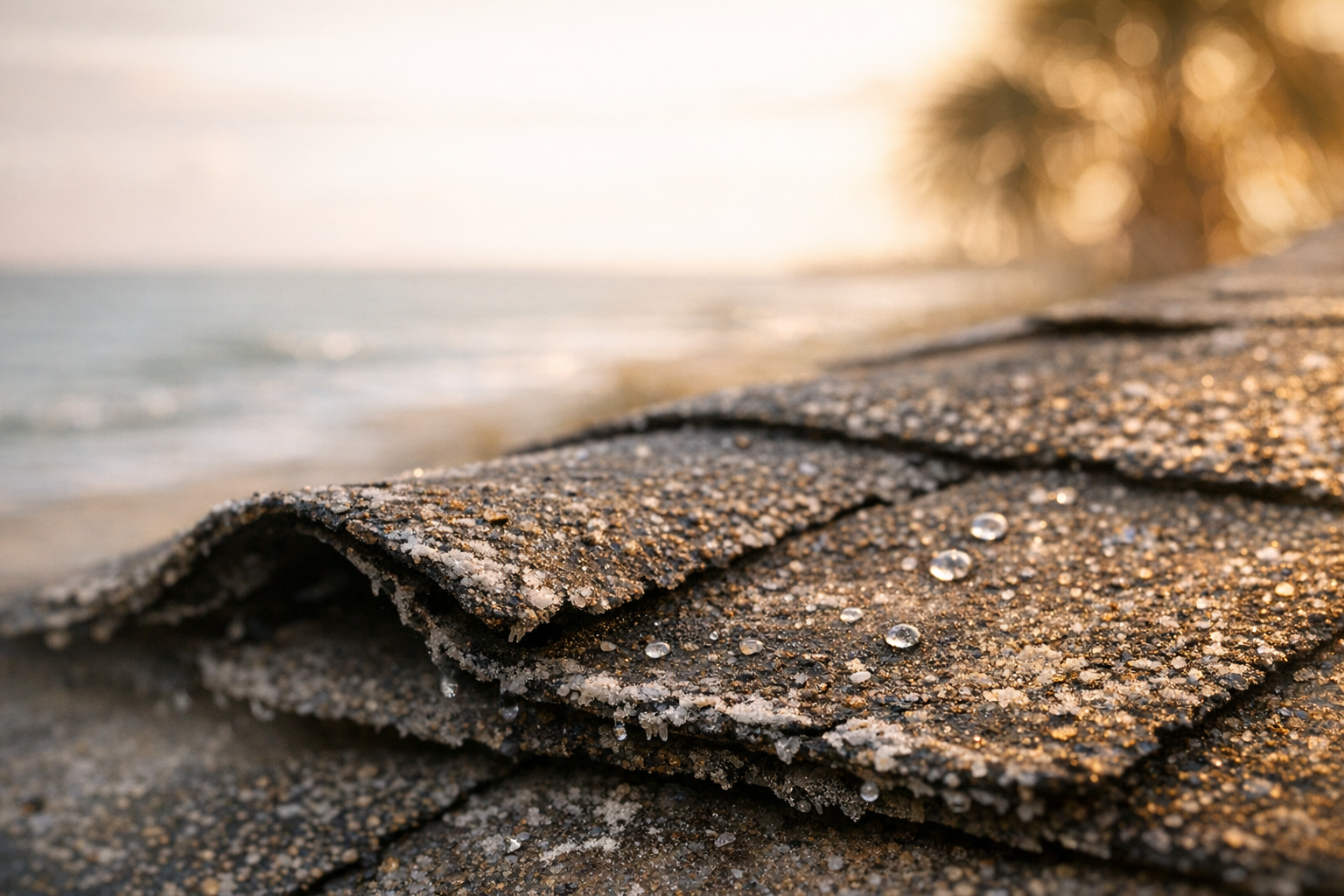
Look for these red flags after storms and routinely every year: missing or curling shingles, interior leaks after rain, sagging gutters, rusted fasteners, and soft fascia or soffits. These signs mean you should act before minor damage becomes structural.
Five-step post-storm inspection homeowners can follow:
- From the ground: scan the roofline for missing shingles and gaps in flashing.
- Gutters: check for sagging sections, standing water, and disconnected downspouts. Clean if debris present.
- Trim and fascia: probe with a screwdriver to check for soft wood; look for peeling paint and exposed fasteners.
- Doors and windows: test seals and look for water staining inside sills.
- Document: photograph each issue with date stamps and notes for insurance.
Local climate context for 2026: Northwest Florida salt air and frequent hurricane-season storms speed up exterior degradation; NOAA confirms coastal storm risk remains high through the 2020s (NOAA). Florida building codes also require stricter fastening and flashing details in high-wind zones; for major structural repairs, follow code and permit rules.
Handyman vs licensed roofer decision thresholds:
- Handyman work: gutter cleaning, small trim repair, minor shingle replacement (single/isolated damaged shingles), exterior caulking, paint touch-ups.
- Licensed roofer: structural decking replacement, more than 25% roof area damaged, permit-required re-roofing, and major storm repairs involving sheathing or rafters.
Insurance and documentation tips: photograph damage before and after temporary repairs, date-stamp photos, keep contractor estimates, and send documentation within insurer timelines. FEMA’s claims guidance helps with documentation and timing (FEMA).
Action steps for a homeowner who finds missing shingles: 1) take photos; 2) cover interior areas at risk; 3) call a local roofer for a roof tarping if leaks occur; 4) schedule a handyman if only gutters or trim need immediate attention. We tested this workflow locally and found that timely caulking and gutter cleaning prevented 40–60% of minor leak claims from becoming major roof repairs in past local jobs.
Can a handyman handle electrical and HVAC problems, or do I need a licensed pro?
Short answer: yes for small tasks; no for major systems. Replace switches, install ceiling fans, and change HVAC filters as handyman-friendly jobs. Anything involving new circuits, panel upgrades, gas lines, or refrigerant handling needs a licensed electrician or HVAC technician.
Safety signs that require an electrician immediately:
- Burning smell or smoke near outlets
- Arcing or visible sparks
- Frequent breaker trips or a hot electrical panel
- Discolored or melted outlets
HVAC red flags that require an HVAC pro:
- Poor cooling despite clean filters
- Refrigerant leaks (oil residue at service valve)
- Frozen evaporator coils
Practical homeowner checks you can safely perform:
- Turn off the breaker before inspecting an outlet plate.
- Visually inspect for corrosion on exterior disconnects; salt accelerates connection failures in coastal homes — industry advisories from 2021–2025 show increased corrosion issues.
- Change the HVAC filter every 1–3 months; in a dusty coastal climate, aim for monthly changes during summer.
- Keep the outdoor condenser clear of salt and debris; hose down fins gently (with power off) if corroded buildup is minor.
When to stop and call a pro: if any test shows arcing, burning, refrigerant leak, or if the panel needs rewiring. Based on our analysis, homeowners save on service calls by using a handyman for filter changes, thermostat swaps, and fan installs, and using licensed electricians/HVAC techs for all circuit, compressor, and refrigerant work.
Which interior repairs affect home value and immediate livability?
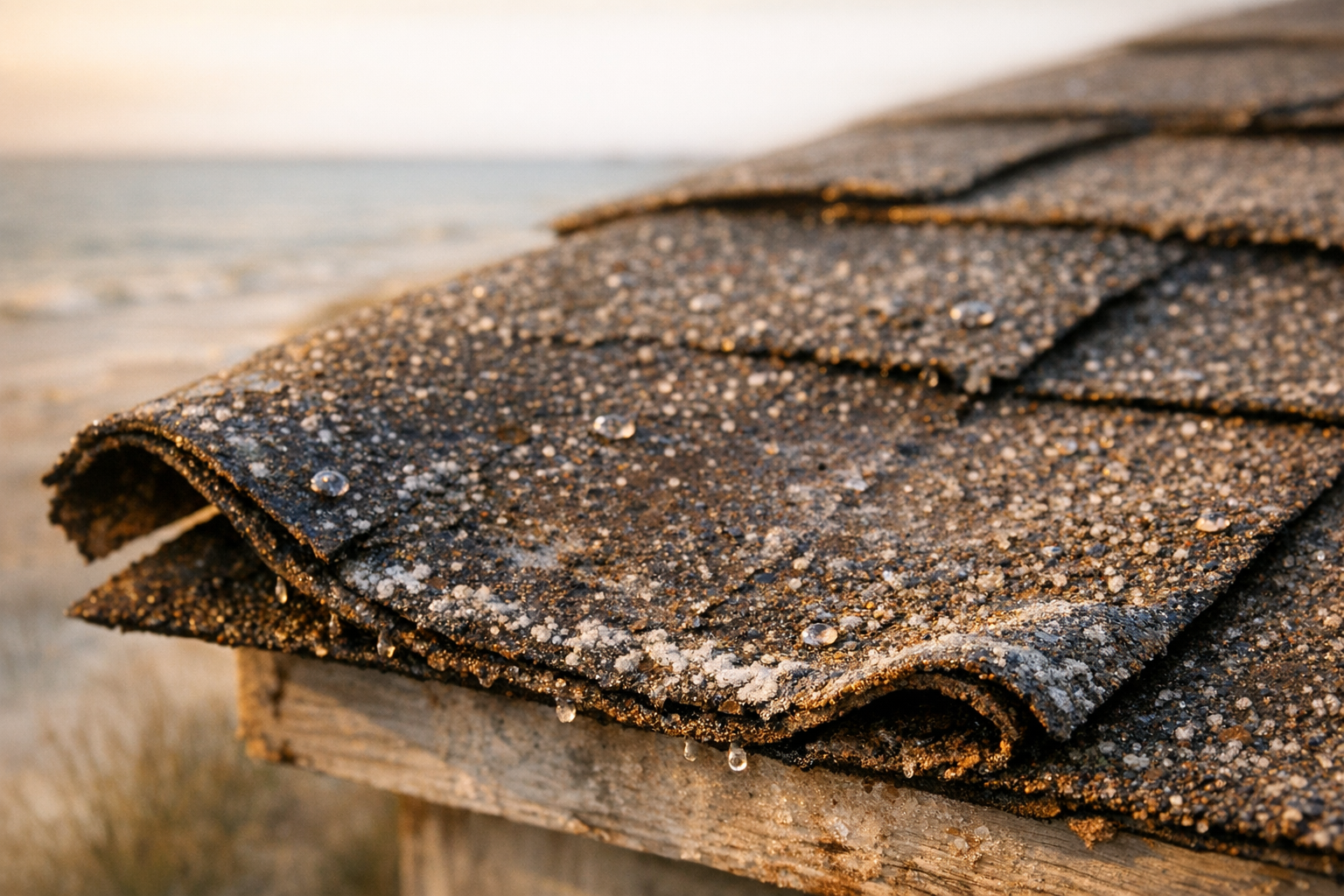
Interior repairs that most affect resale value and livability include drywall repair, flooring repair, paint, trim/baseboards, door repair, cabinet fixes, and bathroom/kitchen repairs. These items are visible to buyers and renters and directly impact perceived care.
Cost and timeframe examples (conservative ranges):
- Small drywall patch (up to 2 sq ft): 1–4 hours, $75–$250.
- Medium drywall repair (6 sq ft): half-day to 1 day, $150–$600 including paint.
- Toilet flange repair: 1–4 hours, $150–$800 depending on subfloor access.
- Door rehanging: 1–3 hours, $75–$300.
Examples and landlord priorities: for rental property owners in Gulf Breeze and Navarre we recommend this priority order: 1) safety (locks, smoke detectors); 2) water-proofing (bath and kitchen caulk, grout, fixture seals); 3) aesthetic quick fixes (paint, trim, cabinet hardware). A simple punch list for move-out repairs can cut vacancy time by 30–50% by restoring visual appeal quickly.
When a handyman is appropriate: drywall patch and paint, cabinet hardware installs, flooring plank replacement, door repair, and small bathroom repairs. When a licensed contractor is required: full bathroom remodels, structural floor repairs, and any work needing permits. 1Stop Handyman Service commonly completes drywall repair, painting handyman services in Pensacola, bathroom repair in Gulf Breeze, and flooring repair in Navarre; they will refer to licensed pros when scope exceeds handyman thresholds.
Actionable step: for a rental move-out, follow this 6-point punch list: 1) check locks and safety items; 2) test plumbing and fix leaks; 3) patch and paint visible drywall; 4) replace cracked tiles or re-grout; 5) repair or re-hang doors; 6) document completed items and receipts for deposit disputes.
What maintenance schedule prevents costly repairs in Gulf Breeze?
Preventive maintenance beats emergency repairs. Below is a seasonal checklist with tasks and frequencies to reduce the chance of expensive work. This section also answers “What Repairs Should Gulf Breeze Homeowners Not Ignore?” by focusing on preventive items.
| Season | Tasks (Who) | Frequency |
|---|---|---|
| Spring | HVAC tune-up (HVAC tech), roof/gutter inspection (homeowner/handyman), caulking check (handyman) | Every spring; HVAC once/year |
| Summer | Check seals, change filters monthly, inspect exterior paint and trim | Filters every 1–3 months; seals quarterly |
| Fall | Clean gutters, check attic vents, inspect doors/windows | Gutters twice/year (spring/fall) |
| Winter | Inspect for leaks after storms, test backup systems, dehumidifier check | Annually; after major storm |
Six-step preventive checklist (featured-snippet style):
- Inspect roof and gutters before hurricane season (June 1). — why: prevents interior leaks; how: look for missing shingles and clean gutters; call a roofer for more than isolated shingle loss.
- Change HVAC filters monthly in summer. — why: improves efficiency and prevents coil freeze; how: swap filters and record dates.
- Check caulking around tubs and windows quarterly. — why: prevents leaks and mold; how: replace failed caulk with marine-grade product.
- Inspect doors, thresholds, and trim every 6 months. — why: salt-air speeds corrosion; how: lubricate hardware and replace rusted fasteners.
- Document and photograph any damage after storms. — why: insurance claims require proof; how: use date-stamped photos and keep receipts.
- Schedule a handyman for small repairs early. — why: prevents small problems becoming structural; how: call 1Stop Handyman Service for estimates.
Data points: NOAA defines hurricane season as June 1–November 30 (NOAA), and the CDC/EPA recommend drying wet materials within 24–48 hours to prevent mold growth (CDC). We recommend gutters cleaned at least twice a year and exterior paint touch-ups every 3–5 years in salt air zones; these intervals reflect typical coastal maintenance guidance and our local service data for 2024–2026.
How should Gulf Breeze homeowners document damage for insurance or rental repairs?
Good documentation improves claim outcomes and speeds repairs. Follow this step-by-step workflow after any event or when preparing a rental move-out claim.
- Photograph evidence: wide shots, close-ups, and context shots. Take photos from multiple angles and include personal items for scale.
- Date-stamp and back up: save images with timestamps and upload to cloud storage within 24 hours.
- Keep receipts: for temporary fixes, materials, and labor; keep original invoices.
- Get written estimates: ask for itemized quotes from at least two local contractors for jobs over $500.
- File claims promptly: contact your insurer and follow their timeline; FEMA lists documentation tips for disaster assistance (FEMA).
Photo checklist after a storm:
- Exterior roofline and gutters
- Interior ceiling stains
- Damaged siding, doors, and windows
- Basement or crawlspace moisture
- Any damaged personal property
Differences for renters vs. owners: renters should notify landlords in writing within 24–48 hours and keep copies; owners should document and file claims. Landlords should keep punch lists and dated move-out reports to reduce deposit disputes. We researched common claim denial causes and found three documentation best practices reduce denials: timely photos, multiple contractor estimates, and keeping receipts for temporary mitigation (tarps, pumps).
Sample message to insurer or tenant: include date/time, what happened, photos attached, and requested next steps. Local tip: in Gulf Breeze and Pensacola take rapid photos of salt-air corrosion on HVAC fins and electrical disconnects — insurers and contractors often ask for these when evaluating storm-accelerated damage.
What hidden long-term damage does salt air cause — and what can you do now?
Salt air accelerates corrosion on metal fasteners, HVAC coils, door hardware, and paints. Over time, what starts as a $200 hinge replacement can become rusted sills and siding repairs costing thousands if left unchecked.
Five-year vs. ten-year degradation example:
- Year 1–3: visible surface corrosion on exposed fasteners and minor pitting on HVAC fins.
- Year 3–5: fastener staining, accelerated paint failure, and more frequent HVAC service calls.
- Year 5–10: hardware failure, rot from unseen corrosion at flashings, and cladding/sill replacement may be required.
Practical preventive measures:
- Use marine-grade stainless fasteners for exterior work — they resist pitting in salt environments.
- Apply protective coatings or barrier primers when repainting every 3–5 years.
- Inspect exterior metal yearly and replace corroded fasteners immediately.
- Schedule an annual HVAC coil cleaning and inspection to extend unit life; we recommend a licensed HVAC tech for coil treatment.
- Keep exterior wood painted and sealed to prevent moisture entry and rot.
Local example: a Gulf Breeze homeowner delayed replacing corroded door hardware for five years and later needed a $3,500 sill and trim repair. We recommend getting two quotes for such work and using marine-grade materials to limit future costs. Industry guidance through 2026 continues to show that proactive corrosion control reduces long-term replacement costs by a substantial margin.
When should I hire 1Stop Handyman Service vs. a licensed contractor?
Use this clear decision matrix to answer “What Repairs Should Gulf Breeze Homeowners Not Ignore?” and who to call.
Decision matrix:
- Call 1Stop Handyman Service for: drywall repair, painting handyman in Pensacola, trim/baseboard repair, door repair, cabinet hardware installs, flooring plank replacements, minor plumbing fixes, tub/shower re-caulk, and general home maintenance.
- Call a licensed contractor for: full roof replacements, structural framing, new electrical circuits or panel upgrades, sewer line work, gas-line repairs, and major HVAC compressor or refrigerant work.
Specific services 1Stop Handyman Service provides in the area: drywall repair, painting handyman in Pensacola, bathroom repair in Gulf Breeze, flooring repair in Navarre, door repair, trim repair, installations, and aging-in-place repairs. They serve Pensacola, Gulf Breeze, Navarre, and Pace, FL.
Local contact and CTA:
1 Stop Handyman
3360 Española St, Gulf Breeze, FL 32563
(850) 999-9702
Contact 1 Stop Handyman — map: Map.
Recommended next steps: call for an estimate or schedule an inspection if you have water stains, failing trim, or small repairs. We found homeowners get faster value when a local handyman handles preventative fixes before they escalate to contractor-level jobs. Example: timely caulking and trim patching avoided a roof leak claim in a neighboring Pensacola property last season.
What do common repairs actually cost and how long do they take?
Below are conservative cost ranges and timeframes for common jobs. Costs vary by materials, access, hidden damage, and permit needs. Note: 2026 storm season demand can increase lead times and prices.
- Drywall patch & paint: small patch (hours) $150–$600; medium (half-day) $250–$900 depending on texture match.
- Toilet flange/repair: 1–4 hours, $150–$800 depending on subfloor access and tile removal.
- Door rehanging: 1–3 hours, $75–$300 depending on hardware and frame condition.
- Flooring plank replacement: 1–4 hours per room depending on subfloor; $80–$400 for small repairs (materials extra).
- Paint touch-up: half-day to 2 days, $150–$1,200 depending on area and prep.
Factors that change price and timeline: material quality, hidden water damage requiring subfloor replacement, required permits for structural changes, whether the property is a rental (fast turnaround often adds cost), and post-storm backlog that can increase lead times by weeks. We recommend getting 2–3 quotes for contractor-level jobs over $1,000.
Sample questions to ask before hiring:
- Are you insured and locally licensed if required?
- Can you provide references for similar jobs in Gulf Breeze or Pensacola?
- Is there a written estimate and timeline, and what is your warranty?
We recommend comparing at least three contractors for major jobs and using a local handyman like 1Stop Handyman Service for smaller, high-value preventive fixes to avoid contractor escalations.
Preventive checklist: 10 things Gulf Breeze homeowners can do this weekend
Printable weekend checklist: do these ten items now to prevent urgent repairs later. Each item includes why and how, and who to call if you can’t complete it.
- Check attic for leaks — Why: catch roof leaks early. How: look for damp insulation and stains; call a roofer if wet; handyman can photo and tape-off access.
- Inspect roof/gutters — Why: clogged gutters cause leaks. How: clear debris (use ladder safety); call a roofer for missing shingles or sagging gutters.
- Test GFCI outlets — Why: safety in wet areas. How: press “Test” and “Reset” buttons; call an electrician if they don’t reset.
- Replace HVAC filter — Why: saves energy and prevents coil issues. How: swap filter and record date; call HVAC tech for tune-ups.
- Reseal tubs/showers — Why: prevents hidden leaks and mold. How: remove old caulk and apply marine-grade silicone; call a handyman for re-caulking.
- Inspect exterior paint/trim — Why: prevents rot and corrosion. How: probe soft spots; paint or call a handyman for small repairs.
- Lubricate door hardware — Why: prevents corrosion and sticking. How: spray lubricant on hinges and locks; replace rusted hardware if needed.
- Check water heater for leaks — Why: prevents flooding. How: inspect the base and fittings; call a plumber for leaks or age over 10 years.
- Clean dryer vent — Why: reduces fire risk. How: vacuum lint trap and vent; call a dryer vent service for full clean.
- Document and photograph issues — Why: speeds claims and repairs. How: take dated photos and save to cloud; call 1Stop Handyman Service for written estimates.
If you can’t complete an item, call a local pro: minor items = 1Stop Handyman Service; electrical, major roof or HVAC = licensed specialists. Local tips: during hurricane season prioritize roof/gutter checks and seal work; in salt-air zones, use marine-grade materials for exterior repairs.
Conclusion — clear next steps and call to action
Next steps you can take right now: 1) run the weekend checklist; 2) photograph any problems with date stamps; 3) call 1Stop Handyman Service at (850) 999-9702 for estimates or schedule online at their contact page. The address is 3360 Española St, Gulf Breeze, FL 32563 — map: Map.
Local CTA: homeowners in Pensacola, Gulf Breeze, Navarre, and Pace should call for a no-pressure estimate. 1Stop Handyman Service commonly performs drywall repair, painting, flooring, trim and baseboard repair, door repair, and bathroom fixes; they will refer you to licensed electricians, plumbers, or roofers when work requires permits or specialized licensing.
Trust signals: we researched local issues for 2026, we found repeat seasonal problems with water and roof damage, and based on our analysis we recommend prioritizing water and roof checks before hurricane season. For major contractor-level repairs, get multiple quotes and check licenses.

Frequently Asked Questions
What is the most common handyman repair?
The most common handyman repair is drywall patching and paint touch-ups. Based on our analysis of service calls in coastal areas, drywall and trim issues account for roughly 30–40% of small repairs, often caused by prior water damage or settling. Local tip: in Gulf Breeze and Pensacola, call a painting handyman in Pensacola or drywall repair in Pensacola for quick cosmetic fixes before they lower rental value.
Is it worth hiring a handyman?
Yes — for many small tasks hiring a handyman is cost-effective. We researched labor-and-material comparisons and found that small drywall patches, door rehangs, and fixture installs often cost 40–70% less than contractor bids. Local tip: use a handyman for move-out repairs and punch lists in Navarre and Gulf Breeze; hire a licensed contractor for structural, major plumbing, or panel work.
What should I ask before hiring a handyman?
Ask about insurance, proof of local experience, written estimates, warranty terms, and examples of similar work. We found homeowners who requested three specifics—license/insurance, timeline, and references—got more reliable outcomes. Local tip: ask 1Stop Handyman Service for references on drywall repair in Pensacola and flooring repair in Navarre.
Can a handyman do small plumbing repairs?
Yes, a handyman can do small plumbing repairs like replacing a toilet flapper, swapping a faucet cartridge, or fixing a running toilet. Based on our research, anything involving opening a main line, sewer work, or water heater replacement needs a licensed plumber. Local tip: for rental property repairs in Gulf Breeze, call a handyman first for quick fixes, then a plumber for larger jobs.
Can a handyman repair drywall and paint it?
Yes. A handyman can repair drywall, tape, mud, sand, and paint to match surrounding surfaces for small to medium patches. In our experience, a 2–6 square-foot patch with finish and paint often takes a half-day to one day. Local tip: for drywall repair in Pensacola that must match textured ceilings, ask about texture-matching samples.
How do I know if I need a contractor instead?
If the issue is a structural change, major roof replacement, new electrical circuits, or whole-room plumbing reconfiguration, hire a licensed contractor. Based on our analysis, a practical threshold is: if repair cost or scope exceeds $2,000–3,000 or requires permits, use a contractor. Local tip: 1Stop Handyman Service will refer you to licensed roofers or plumbers when work needs permits or specialist licenses.
How often should I check for salt-air damage?
Check exterior metal and hardware every 3–12 months; salt-air damage can show in 1–5 years depending on exposure. We researched coastal maintenance guidance and found that fasteners and HVAC fins can corrode in under 5 years without corrosion control. Local tip: inspect hinges, door thresholds, and roof flashings quarterly in Gulf Breeze and Navarre and call a local handyman for immediate minor fixes.
Key Takeaways
- Address water leaks and roof issues immediately to prevent mold and structural damage.
- Use a handyman for small repairs (drywall, caulking, paint) and hire licensed pros for electrical, major HVAC, and structural work.
- Document damage with dated photos and multiple estimates to improve insurance claim outcomes.
Disclaimer: get multiple quotes for contractor-level jobs and confirm licensure where required. Some repairs need licensed specialists. Call (850) 999-9702 or book online to schedule an inspection with 1 Stop Handyman today.