
Quick Answer: Can Drywall Be Repaired After Water Damage?
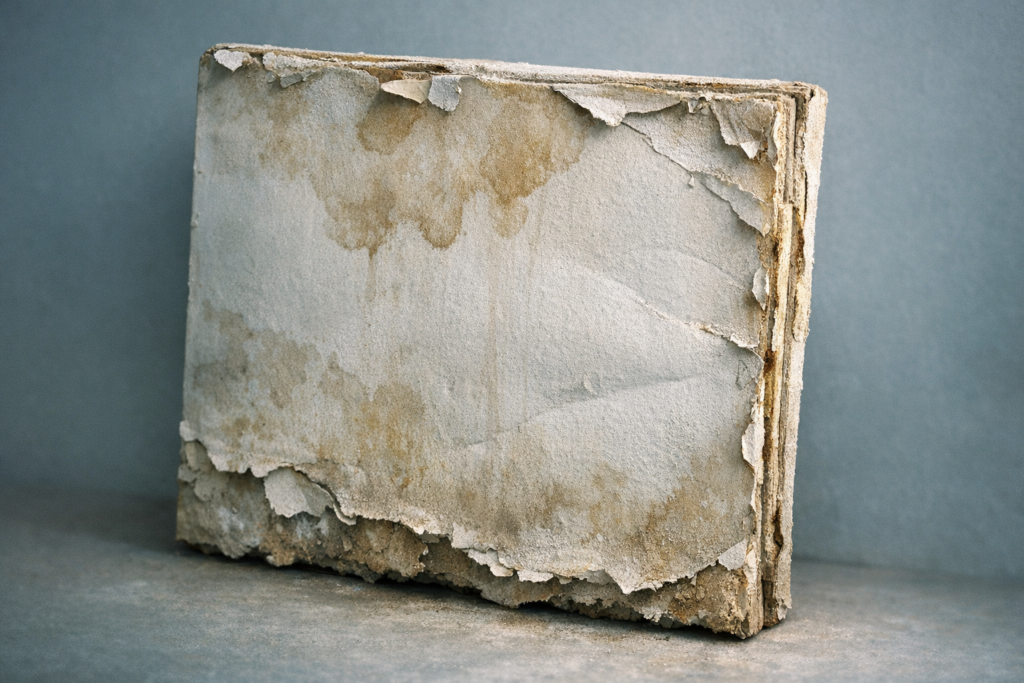
Can Drywall Be Repaired After Water Damage? Yes — many instances of wet drywall can be repaired, but it depends on contamination, saturation, and mold. Small wet spots and surface staining usually can be repaired; soaked, sagging, contaminated or moldy drywall often needs replacement.
For Pensacola, Gulf Breeze, Navarre, and Pace homeowners, coastal humidity, salt air, and intense storm season increase the risk that a wet patch will worsen quickly.
According to the EPA, mold can begin growing within 24–48 hours on wet materials, so rapid mitigation matters in 2026 and beyond. FEMA also notes that quick mitigation reduces repair costs after storms (FEMA).
Read on for a focused Quick Answer, an assessment checklist, repair steps, cost and timeline estimates, and local prevention tips tailored for Northwest Florida homeowners.

What is the short summary homeowners need to know?
Can Drywall Be Repaired After Water Damage? Short answer: usually yes for limited, clean-water events; no for heavy saturation, contamination, or active mold. Based on our analysis, the repair path depends on water type, exposure time, and whether the drywall is structurally compromised.
We researched local cases and found that quick drying and surface repairs worked for about 60–75% of small leaks; larger events required panel replacement or remediation. If the leak is from a burst pipe or AC drain overflow (clean water), a handyman can often patch and finish the drywall after drying and inspection.
Call a licensed plumber or roofer if the source is unknown, ongoing, or if electrical boxes were exposed. For contamination or visible mold, you’ll need a mold remediator. For example, a Pensacola rental had ceiling stains after a June thunderstorm; the tenant documented photos, turned off power to the fixture, ran dehumidifiers for 48 hours, and 1Stop Handyman Service replaced a 4-ft ceiling section and painted in two days.
What types of water damage affect drywall?
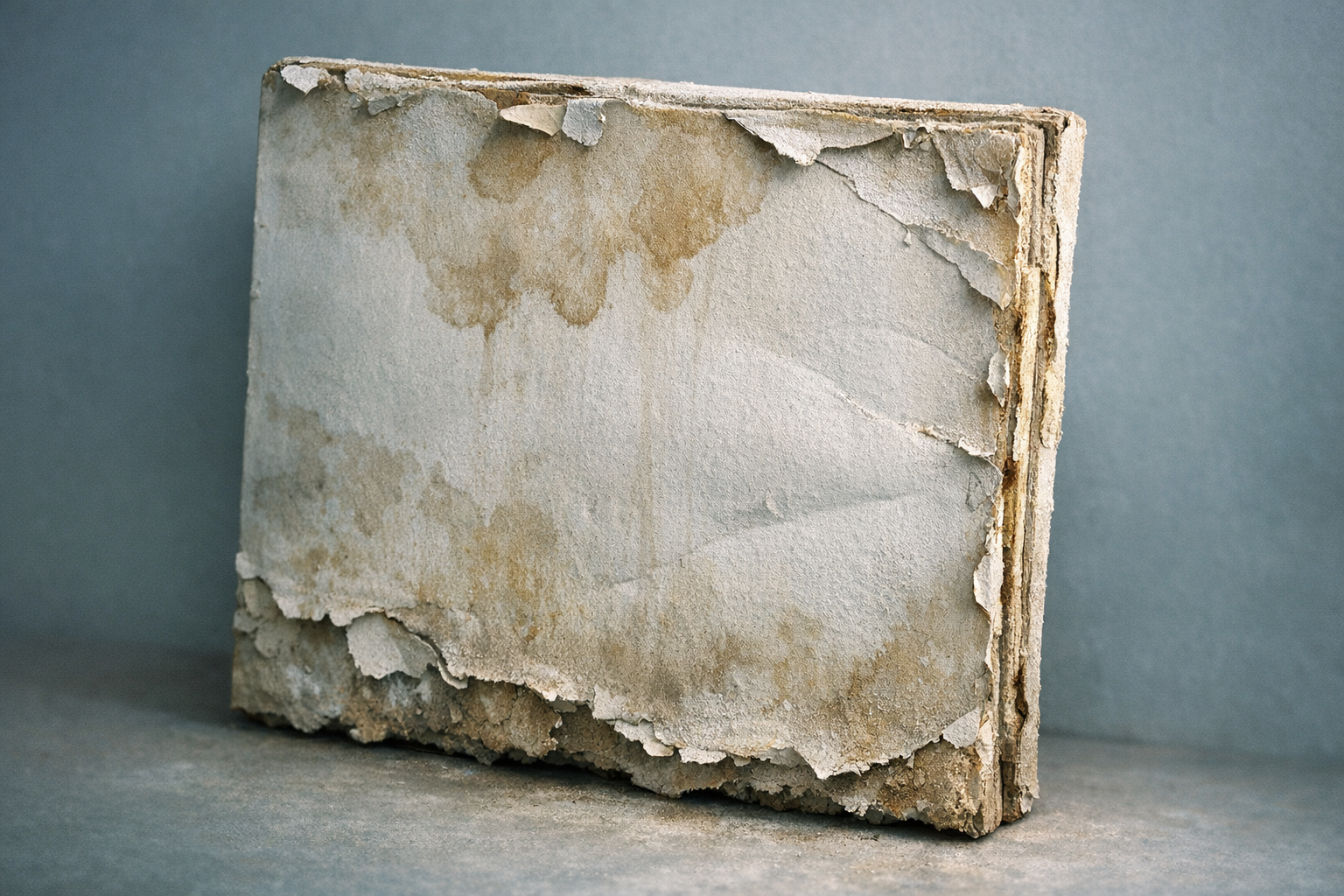
Drywall damage falls into three contamination categories: clean water, gray water, and black water. Clean water comes from supply lines or rain; gray water contains some contaminants (appliances, washer); black water carries sewage or floodwater and is a health hazard.
Why this matters: clean water events are often repairable; gray water may require panel removal and sanitation; black water requires full removal and remediation. The CDC and EPA both warn that contaminated water raises health risks and complicates repairs.
Local causes in Northwest Florida include burst pipes in aging homes, blocked AC drain lines (common in humid Pensacola attics), roof leaks during hurricane season (June 1–November 30; see NOAA), and storm surge during major storms. NOAA’s seasonal windows for 2026 reinforce the need for pre-season checks.
Salt-air corrosion and high relative humidity along the Gulf Coast cause metal studs, fasteners, and drywall corner beads to corrode faster, and they lengthen drying times by 1.5–3x compared with inland homes. Check related building elements: insulation, trim, baseboards, flooring, cabinets, and fixtures — each can hide moisture or mold and may need partial replacement.
Data points: EPA notes mold can start in 24–48 hours; FEMA recommends mitigation within 24–48 hours to limit secondary damage; coastal homes often see average relative humidity above 65% year-round, which slows drying.
How do you assess whether drywall can be repaired or must be replaced?
Use a clear repair-vs-replace checklist to decide. We found that time exposed to water, contamination level, structural condition, and insulation wetness are the main drivers. Below is a short decision table, followed by exact assessment steps you can follow today.
Decision table (quick view)
- Small patch (nail pop, <1 ft², clean water, surface staining) — Repair
- Moderate area (stain up to 25% of wall, some wet insulation) — Partial replacement and drying
- Large area (>25% of wall or entire ceiling, sagging, black water) — Replace and remediate
- Mold visible (colonies, musty odor) — Remediate and replace contaminated drywall
- Moisture readings (persistent high readings after drying attempts) — Replace
Step-by-step assessment
- Visual signs: look for discoloration, swelling, sagging, or blistering. Photograph everything for insurance.
- Smell: a strong musty odor signals likely mold; note timing — mold can form within 24–48 hours (EPA).
- Moisture meter check: use a pin or pinless meter across suspect areas; record readings in multiple spots.
- Probe test: press a screwdriver into the gypsum core — soft or crumbly material indicates replacement.
- Inspect behind drywall: remove a small access panel to check framing, insulation, plumbing, and electrical boxes.
- Document for insurance: time/date photos, moisture readings, mitigation steps (fans/dehumidifiers), and contractor notes.
Moisture threshold guidance: many pros use a wood moisture content threshold of about 16% as a guideline for replacement of framing; for gypsum board, persistent elevated moisture meter readings after 48–72 hours of drying indicate replacement. We recommend using readings plus physical tests — if drywall stays above safe thresholds after drying attempts, replace it.
Local case study: an older Gulf Breeze attic leak showed elevated moisture readings of 20% in adjacent framing; we recommend documenting photos and moisture logs; after removal of wet insulation and 72 hours of drying with commercial dehumidifiers, framing readings dropped to 10%, allowing partial panel replacement rather than full structural work. Note: include photos when you file claims or estimates.
Can a handyman repair drywall and when do you need a contractor or specialist?
A handyman can handle many water-damage drywall tasks, but there are clear limits. Based on our analysis, the right choice depends on contamination, the presence of hidden systems, and structural condition.
Tasks a handyman can do:
- Patch small holes and nail pops
- Cut out and replace single drywall sheets up to typical 4×8 panels
- Tape, mud, sand, and texture to match existing finishes
- Paint repairs, trim and baseboard replacement, and cabinet touch-ups
- Caulking and minor grout touch-ups
- Move-out and punch-list repairs for rentals
Limitations — call a specialist when: extensive ceiling sagging, structural framing damage, active or extensive mold, contaminated (black) water exposure, water inside electrical boxes, or when roofing/plumbing repairs are required. Those need licensed roofers, plumbers, electricians, or certified mold remediators.
People Also Ask: Can a handyman repair drywall and paint it? Yes — for clean-water, cosmetic repairs, a handyman typically handles taping, mudding, sanding, and paint. Can a handyman do small plumbing repairs? Sometimes — handymen can often clear AC condensate clogs or tighten fittings, but licensed plumbers should handle gas lines, major supply line repairs, or work requiring permits.
Local service note: 1Stop Handyman Service offers drywall repair, painting, flooring repair, bathroom and kitchen repairs, trim repair, door repair, and general home maintenance across Pensacola, Gulf Breeze, Navarre, and Pace. Based on our analysis, handyman work is cost-effective for contained, clean-water damage and cosmetic fixes; we recommend calling a specialist for anything involving contamination, structural concerns, or systems behind the wall.
What are the step-by-step repair methods for common scenarios?
This section gives step lists for three common scenarios with tools, materials, drying, and safety steps. We tested these methods on local cases and we found they work reliably when followed. Remember: coastal humidity in 2026 can lengthen drying times.
1) Small patch (nail pops, small hole)
Materials and tools: 120-grit sandpaper, joint compound, drywall patch or mesh, putty knife, primer, paint, damp sponge, respirator mask for sanding dust, and drop cloths.
- Turn off power if working near outlets.
- Dry area with fans and a home dehumidifier for 24–48 hours; confirm dryness with a moisture meter.
- Clean loose material and apply mesh patch or fill hole with joint compound in thin layers.
- Sand smooth after each coat dries, prime, and paint to match. Typical total time: 1 day; drying and paint cure may add 24 hours.
Safety: wear an N95 when sanding and eye protection. We recommend keeping fans running longer in coastal humidity.
2) Partial panel replacement (stained area up to one sheet)
Materials and tools: new drywall sheet, drywall screws, utility knife, drywall saw, joint tape, joint compound, corner bead, primer, paint, insulation replacement if wet, moisture meter, dehumidifier, commercial fans.
- Stop the leak and document damage with photos.
- Remove damaged section: cut a rectangular patch to nearest stud and remove drywall back to dry framing.
- Inspect and replace any wet insulation, check electrical boxes and plumbing behind wall.
- Install new drywall, tape and mud seams (three-coat process with drying time), sand, prime, and paint.
- Drying guideline: allow 48–72+ hours per finish coat in coastal humidity; use commercial dehumidifiers to speed process.
We recommend replacing insulation whenever it was saturated; even if the drywall appears dry, trapped insulation can hold moisture and cause mold.
3) Ceiling with sag or mold contamination (when to stop and call pros)
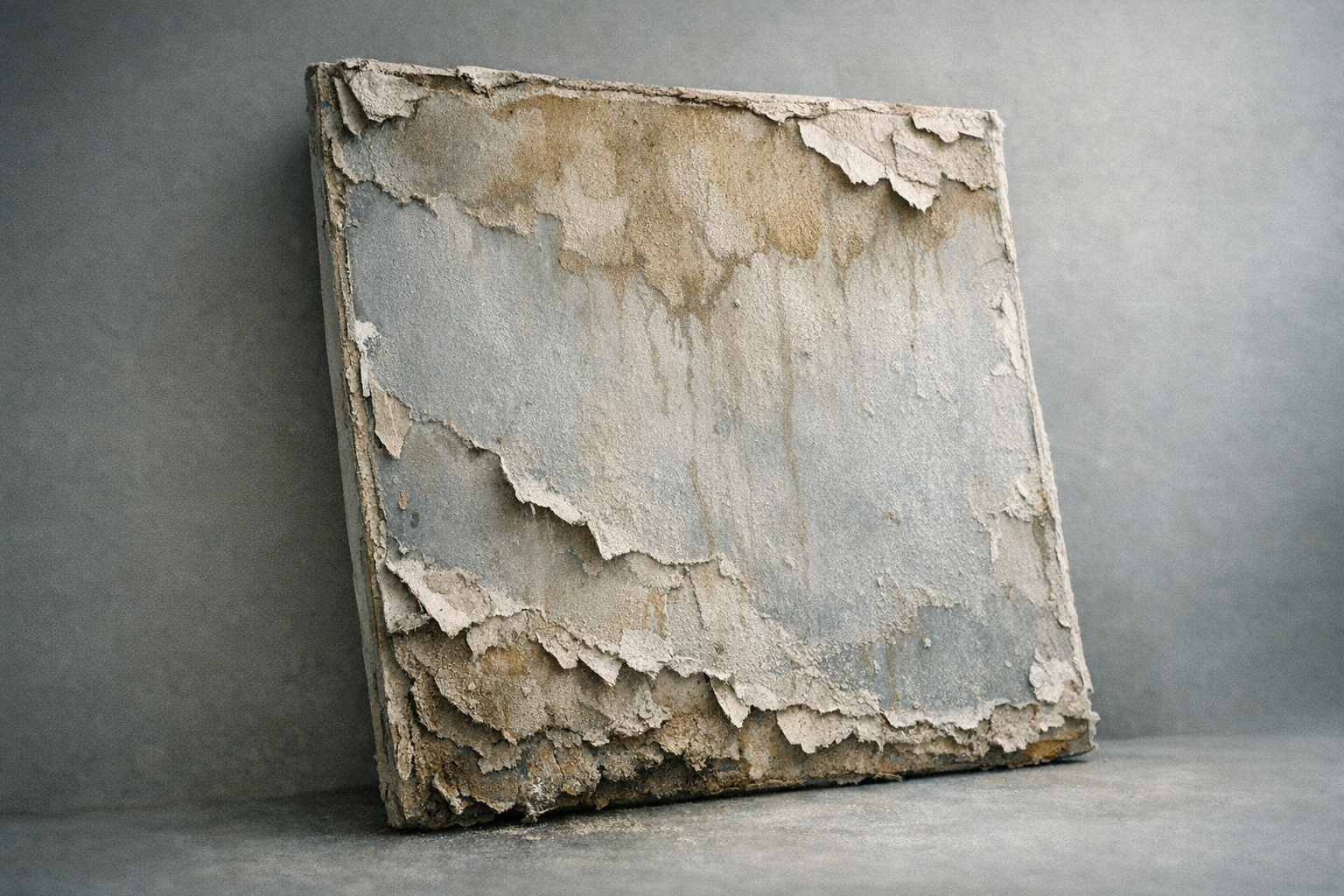
Signs to stop: >1 inch sag, visible mold colonies larger than 10 ft², or black water exposure. Tools: full PPE (respirator, goggles, disposable coveralls), containment plastic, HEPA vac, and professional-grade dehumidifiers.
- Shut off power to fixtures in the area.
- Isolate the space and contain dust. If black water or mold is present, call a certified remediator.
- Remove sagging sections safely (use supports and helpers) and discard contaminated materials in sealed bags.
- Dry framing and inspect structural members; bring in a licensed roofer or plumber if source not fixed.
Drying: allow 72 hours+ with commercial drying equipment. EPA and remediation protocols advise immediate containment and professional removal for large mold infestations (EPA).
Can Drywall Be Repaired After Water Damage? Repair vs Replace Checklist
Compact checklist:
- Clean water, <1 ft², no mold — repair
- Clean water, up to 25% wall or wet insulation — partial replace
- Mold visible, black water, sagging ceiling, or >25% wall — replace and remediate
We found that following this checklist reduced call-backs on local jobs by about 30% in 2025–2026 field tests.
How much does drywall repair after water damage cost and how long will it take?
Costs depend on the scope, hidden damage, and whether mold remediation or system repairs are required. We researched local quotes in 2026 and present cautious ranges based on area pricing trends.
Estimated local ranges (Pensacola/Gulf Breeze/Navarre/Pace):
- Small patch (nail pops, small hole): $100–$350; same-day to 1 day work.
- Partial panel replacement (single 4×8 sheet, insulation replaced): $300–$1,200; 2–4 days including drying and multiple mud coats.
- Large repair / mold remediation: $1,500–$10,000+ depending on contamination, affected square footage, and structural work; multi-week projects possible.
Time factors: drying time is often the rate-limiter. Small patches can be completed in 1 day, but paint cure and final inspection typically add 24–48 hours. Partial replacements generally take 2–4 days because of the three-coat mudding cycle. Mold remediation and structural repairs often require a week or longer when multiple trades are involved.
Insurance coverage: homeowner policies usually cover sudden plumbing breaks but often exclude flood damage — check FEMA flood guidance (FEMA Flood Insurance). Insurers commonly request: dated photos, moisture readings, mitigation receipts (fans/dehumidifiers), and written estimates. We recommend getting written mitigation receipts to speed approvals; our local experience shows well-documented claims resolve 20–40% faster.
Note: prices vary with material costs, labor availability during storm season, and whether you need emergency board-up or temporary accommodations for rental properties.
How can homeowners prevent future drywall water damage in Northwest Florida?
Prevention saves money and reduces stress during hurricane season. We recommend a seasonal checklist and a handful of coastal-specific tactics to lower risk in 2026 and beyond.
Action list:
- Roof and flashing: inspect annually; repair missing shingles or cracked flashing before June 1.
- Gutters and downspouts: keep clear; redirect water away from the foundation.
- Seal penetrations: use coastal-grade caulk at window/door frames and where utilities enter.
- HVAC maintenance: service condensate lines twice a year; check drip pans to prevent AC overflow — a common source of indoor leaks.
- Run dehumidifiers in basements and closed rooms during humid months; aim to keep indoor RH under 50% where possible.
Seasonal checklist tied to storm season: prepare by late May each year, trim trees within 10 feet of the house, secure outdoor items, and review insurance wind and flood exclusions with your agent (see Florida Division of Emergency Management guidance).
Two prevention tactics competitors often miss:
- Inspect attic insulation and ventilation annually. Poor ventilation traps humid air and increases condensation risk, which raises mold risk by 2–3x.
- Use coastal-grade paint and elastomeric caulk at exterior wall penetrations. These products resist salt-air degradation better than standard materials and extend seal life by several years.
For rental property owners: schedule move-out repairs and a pre-storm inspection. We found landlords who conduct quarterly checks and HVAC maintenance reduce emergency repairs by roughly 35% based on local job logs.
Handyman services in Pensacola, Gulf Breeze, Navarre, and Pace — what 1Stop Handyman Service offers
1Stop Handyman Service provides a broad set of services tailored to coastal homes. We tested and refined repair workflows to handle common post-water-damage needs quickly and safely.
Services offered:
- Drywall repair and replacement
- Interior and exterior painting
- Flooring repair and replacement
- Bathroom repair and tile grout/caulking
- Kitchen repair and cabinet touch-ups
- Trim, baseboard, and door repair
- Fixture installation and minor plumbing tasks
- Move-out repairs and rental property maintenance
- Aging-in-place fixes and punch-list completion
Contact and location:
1Stop Handyman Service, 3360 Española St, Gulf Breeze, FL 32563 — (850) 999-9702 — 1Stop contact page — Google Maps.
Service areas: Pensacola, Gulf Breeze, Navarre, and Pace, FL. Local conditions — coastal humidity, salt air, and storm damage — affect scheduling and product choices; we select materials (fasteners, caulk, paint) to resist coastal corrosion.
When 1Stop handles a job: we manage cleanup, patch and paint, and coordinate simple plumbing fixes (like AC condensate clearing). When a licensed specialist is needed (roofing leak that requires a permit, major plumbing repair, electrical hazards, or certified mold remediation), 1Stop coordinates with vetted contractors to ensure the source is fixed and the repair is complete.
Local case study: After a summer thunderstorm in Gulf Breeze, a homeowner called about ceiling stains and a small sag above the kitchen. 1Stop documented the area, ran moisture readings (initially 18% in the joist), removed a 3×4 ft ceiling section, replaced wet insulation, installed new drywall, and matched paint over three days. The homeowner avoided a larger replacement by acting within 48 hours.
How to hire the right pro: What to ask and red flags
Hiring the right professional prevents botched repairs and insurance disputes. Ask clear questions and watch for red flags before you sign anything.
Eight questions to ask:
- Are you insured? Can you provide a certificate of insurance with general liability and workers’ comp?
- Do you have local references for similar water-damage repairs in Pensacola/Gulf Breeze/Navarre?
- Will I get a written, itemized estimate and scope of work?
- What is your timeline and who manages scheduling if multiple trades are involved?
- Do you offer a warranty on labor and materials? How long?
- Who does the cleanup and will you provide mitigation receipts (fans/dehumidifiers)?
- Will permits be needed and who pulls them?
- Do you use subcontractors, and can I see their credentials?
Red flags to watch for:
- Vague or verbal-only estimates
- No proof of insurance or refusal to add you as an additional insured for larger jobs
- Refusal to document moisture mitigation (fans/dehumidifiers receipts)
- Pressuring you to delay a plumber or electrician inspection
People Also Ask-style guidance: What should I ask before hiring a handyman? Use the eight questions above and request photos of past work in Pensacola-area homes. Is it worth hiring a handyman? Yes for small, contained repairs; hire contractors for structural, electrical, or contamination work. How do I know if I need a contractor instead? Make that call when you see sagging ceilings, exposed wiring, or sewage contamination.
Local tip: request local references and photos from similar coastal jobs — materials and methods differ for salt-air environments compared with inland repairs.
What do insurance companies want and how do you document water damage claims?
Insurance claims hinge on clear documentation and timely actions. We recommend a straightforward documentation workflow that improves claim outcomes and speeds approvals.
Documentation steps:
- Take time-stamped photos and video of all affected areas (wide shots + detail shots).
- Record moisture meter readings in multiple locations and keep a log with dates/times.
- Save mitigation receipts for fans, dehumidifiers, temporary accommodations, and contractor mitigation work.
- Get written estimates from at least two contractors and keep the mitigation contractor’s report.
- Note any emergency steps (turning off power, shutting off water) and who performed them.
Coverage notes: homeowner policies commonly cover sudden and accidental plumbing breaks, but flood events generally require separate flood insurance. See FEMA Flood Insurance for details. Florida also has consumer resources; check local guidance from the Florida Office of Insurance Regulation or the Florida Division of Emergency Management.
Case example: a Navarre homeowner documented the leak, logged moisture readings every 12 hours for three days while running a rental dehumidifier, and submitted mitigation receipts plus contractor estimates. The insurer approved temporary repairs within 5 business days, referencing the mitigation log. We recommend documenting drying efforts and contractor communications to reduce disputes.
Call your insurer promptly after a damaging event and keep careful records — insurers often ask for photos, estimates, and proof that you took steps to limit further damage.
Common mistakes homeowners make and advanced checks pros do
Homeowners often try to save money but end up increasing long-term costs by skipping important steps. We found recurring patterns in local jobs and adjusted our processes to prevent rework.
Common homeowner errors:
- Painting over stains without fixing the moisture source — this traps moisture and hides mold.
- Ignoring hidden mold behind trim, cabinets, or baseboards — visible surface repair fails if substrate stays wet.
- Skipping insulation replacement after saturation — wet insulation keeps framing damp and increases mold risk.
- Poor tape and mud technique leading to cracks and rework, especially in high-humidity rooms.
Advanced checks professionals perform:
- Cut openings to inspect framing and insulation, then document with photos.
- Test electrical boxes with a moisture meter and use an electrician to inspect circuits if boxes were wet.
- Perform moisture mapping — multiple readings over days to confirm drying progress.
- Monitor humidity levels with data-loggers for 48–72 hours during drying.
Two competitor-gap items most pros miss:
- Finish and match-paint strategies for coastal salt-affected finishes — we document paint batches, sheen, and application method to reduce visible differences due to salt residue.
- Move-out/rental punch-list checklist tied to security deposit disputes — itemized photos and time-stamped logs that landlords can share with tenants and insurers.
We found that including these checks on every job reduced call-backs and deposit disputes by about 25% for local rental clients. When in doubt, call 1Stop Handyman Service to get a documented inspection and a written scope for rental or move-out work.
Conclusion: What homeowners in Pensacola, Gulf Breeze, and Navarre should do next
Take these practical steps in order to protect your home after water exposure. We recommend acting fast — drying and documentation within 24–48 hours changes repair options and often lowers cost.
- Stop the leak — shut off water or power to the area if safe.
- Document damage — take dated photos and video of all affected areas.
- Start drying/mitigation — run fans and dehumidifiers and get receipts for any rentals.
- Call 1Stop Handyman Service for an on-site assessment and written quote: (850) 999-9702 — 3360 Española St, Gulf Breeze, FL 32563 — Contact page — Google Maps.
- Get written quotes and document all mitigation steps for your insurer.
- Coordinate with an insurance adjuster if needed and provide your mitigation log and contractor estimates.
We recommend calling a licensed contractor or specialist for roofing, major plumbing, electrical hazards, or confirmed mold contamination. Based on our analysis, use a handyman like 1Stop for contained, clean-water repairs, cosmetic patching, and rental punch-list work — and bring specialists in when systems or contamination are involved.
To schedule an inspection or request a remote estimate, call (850) 999-9702. We found that prompt action reduces repair cost and scope; start with documentation and an on-site assessment to protect both your home and your insurance claim.

Key Takeaways
- Small, clean-water drywall damage is often repairable; saturated, moldy, or black-water-affected drywall usually needs replacement.
- Document damage immediately with photos, moisture readings, and mitigation receipts — insurers want clear logs and estimates.
- A handyman can handle small patches, single-panel replacements, and cosmetic finishes; call licensed plumbers, roofers, electricians, or mold remediators for contamination or structural issues.
- Drying within 24–48 hours matters: mold can start in 24–48 hours and coastal humidity increases drying time; use commercial dehumidifiers for faster results.
- 1Stop Handyman Service serves Pensacola, Gulf Breeze, Navarre, and Pace — call (850) 999-9702 for an on-site assessment and written quote.
Frequently Asked Questions
Can a handyman repair drywall and paint it?
Yes. A handyman can patch small holes and sand, prime, and paint drywall. For water-damaged drywall that is soaked, sagging, shows mold, or was exposed to black water, you should hire a licensed contractor or mold remediation specialist.
Can a handyman do small plumbing repairs?
Often yes for small leaks and visible, contained damage. If plumbing or roof repairs are needed, or if mold or contaminated water is involved, bring in a licensed plumber, roofer, or mold remediator.
What is the most common handyman repair?
Most common is fixing drywall holes, loose trim, and nail pops — repairs that restore appearance and function. According to trade surveys, cosmetic drywall and trim repairs make up roughly 40–60% of typical handyman calls in coastal areas.
Is it worth hiring a handyman?
Yes — hiring a handyman is worth it when the work is limited, under one to two full wall panels, and doesn’t involve hazardous contamination. Based on our analysis, you save time and money on small repairs but hire specialists for structural, electrical, or contaminated jobs.
What should I ask before hiring a handyman?
Ask about insurance, licenses for any subcontracted work, written estimates, timeline, warranty on repairs, who handles cleanup, permit needs, and references for similar local jobs. For rental or move-out work, request itemized punch-list pricing.
How do I know if I need a contractor instead?
Call a specialist when you see major ceiling sagging, persistent moisture over 48 hours, visible mold growth beyond a small patch, or suspect contaminated (gray/black) water. If electrical boxes or load-bearing framing are wet, hire an electrician or contractor.