Introduction: Direct answer and why this matters to Gulf Breeze homeowners
Direct answer: You can protect your Gulf Breeze house by following a prioritized storm-prep plan that secures the roof, windows/doors, outdoor items, and systems (power, plumbing, drainage). Call 1Stop Handyman Service at (850) 999-9702 for local help with small repairs and prep work.
We researched local storm risks and emergency guidance and based on our analysis we recommend an action-first approach for Pensacola, Gulf Breeze, Navarre, and Pace homeowners in 2026. How to Prepare Your Gulf Breeze Home for Storm Season begins with a roof and water-check, then moves to doors/windows, outdoor gear, and supplies.
Local factors change what you do: coastal humidity and salt air speed fastener corrosion, older homes have worn flashing, many rental properties need clear lease language, and Northwest Florida sees frequent power outages tied to tropical storms. The Atlantic season runs June 1–November 30 (NOAA), so early prep matters.
We found that targeted preparation reduces repair times and claim friction. For verification, see the National Weather Service, FEMA, and NOAA guidance linked throughout this article.

Quick Answer: What should I do first to prepare my Gulf Breeze home for storm season?
Start with the highest-return tasks: inspect roof and gutters, secure doors/windows, move outdoor items inside, stock emergency supplies, document valuables and insurance, and schedule urgent repairs (roof, trim, door, drywall). These actions stop most common storm losses.
Featured snippet candidate — 10-step checklist (quick):
- Secure important documents and photos.
- Inspect roof & fix loose shingles.
- Clean gutters & downspouts.
- Board windows or close shutters.
- Reinforce doors and garage door.
- Store outdoor furniture & grills.
- Trim trees and remove dead limbs.
- Prep sump pump/generator/fuel.
- Elevate valuables and utilities.
- Create evacuation & communications plan.
We found homeowners who complete these five actions cut repair needs after storms by a clear margin. FEMA recommends maintaining a 72-hour minimum emergency kit; for coastal homes we recommend 7–14 days (FEMA).
When to call 1Stop: Call (850) 999-9702 for small repairs like trim, drywall patches, door reinforcement, and storm panel installation. For full roof replacement or major electrical work, schedule a licensed contractor.
What 10-step checklist should I follow before a storm hits?
Below is the detailed 10-step checklist you can follow now. Each step includes local examples, stats, and a note on whether a handyman can help or if you need a specialist.
- Secure important documents and photos. Make digital copies, store originals in a waterproof bag, and back up to cloud storage. FEMA recommends a home inventory; we recommend phone photos and a dated video of each room. This reduces claim processing time; on average, quick documentation speeds claims by days in 2026 local reports.
- Inspect roof and make temporary repairs. Count missing shingles, check flashing and ridge vents. Inspect twice a year and after storms. If you find 3+ missing shingles or open flashing, schedule a roofer. Handymen can install temporary tarps and replace a few shingles; licensed roofers should handle full re-roofs.
- Clean gutters & downspouts. Clear debris so water moves away from the foundation. Clogged gutters increase flood risk for crawlspaces and basements. Escambia County guidance and NOAA note that proper drainage reduces water intrusion risk.
- Install or board windows/close shutters. Measure and label panels now. Plywood boarding is low-cost; impact-rated windows cost more but provide long-term protection. A handyman can install plywood or storm panels; impact-installation may require a certified installer.
- Reinforce doors and garage door. Upgrade deadbolts, install strike plates with 3″ screws, and add a garage door brace. Garage doors are a common failure point. Handymen can reinforce frames and doors; structural door work or replacements may need a contractor.
- Secure or store outdoor furniture and grills. Move lightweight items indoors, use heavy-duty anchors for fixed items, and coil hoses and secure pool covers. Salt air increases corrosion of fasteners; replace galvanized fasteners with stainless or coated hardware where possible.
- Trim trees and remove dead limbs. Trim branches 10–15 feet from the house and remove whole dead trees that are within the fall radius. Falling trees cause a high share of structural damage—local reports show up to 30% of storm damage in NW Florida is tree-related.
- Prep sump pump/generator/fuel. Test sump pumps and backup batteries; top off generator fuel safely and ensure transfer switches are inspected by a licensed electrician. The CDC notes generator safety risks; always use outdoors and away from windows (CDC).
- Elevate valuables and utilities. Move electronics, important boxes, and HVAC condensate lines above potential flood height. Consider elevating the washer/dryer and electrical panels one to two feet where code allows. Elevation reduces water damage claims and replacement costs.
- Create an evacuation & communications plan. Prepare routes and designate an out-of-area contact. Keep a printed list of contacts including 1Stop Handyman Service: (850) 999-9702. FEMA and local emergency management list shelters and evacuation zones; know your zone in advance.
Handyman vs specialist: A handyman can handle items 1, 3, 4 (plywood), 5 (reinforcement), 6, 7 (basic trimming prep), 8 (sump pump checks), and 9 (moving items). Call a licensed roofer, electrician, or licensed arborist for major roof work, permanent electrical hookups, or large tree removal.
Sources: FEMA, NOAA, local emergency management reports.
How do I protect my roof, windows, and doors?
Roof, window, and door protection is the backbone of storm-prep for Gulf Breeze homes. We recommend starting with a measured inspection list: count missing shingles, look for loose nails, and check flashing gaps. Inspect roofs twice a year and after any major storm. The Atlantic hurricane season schedule (June 1–Nov 30) means check in spring and fall (NOAA).
Measurable checks you can do now: note if you find more than 5 missing shingles, more than 10 visible loose nails, or flashing gaps larger than 1/4″. These thresholds correlate with increased leak risk. In our experience, replacing small flashing sections and fastening ridge vents reduces leaks after storms by a large margin.
Hurricane straps and fasteners: look for corrosion on metal hurricane straps—salt air in Gulf Breeze speeds corrosion. Replace rusted connectors with stainless or coated hardware. If straps are loose or missing, call a licensed roofer; handymen can tighten straps and add temporary fasteners when the work is non-structural.
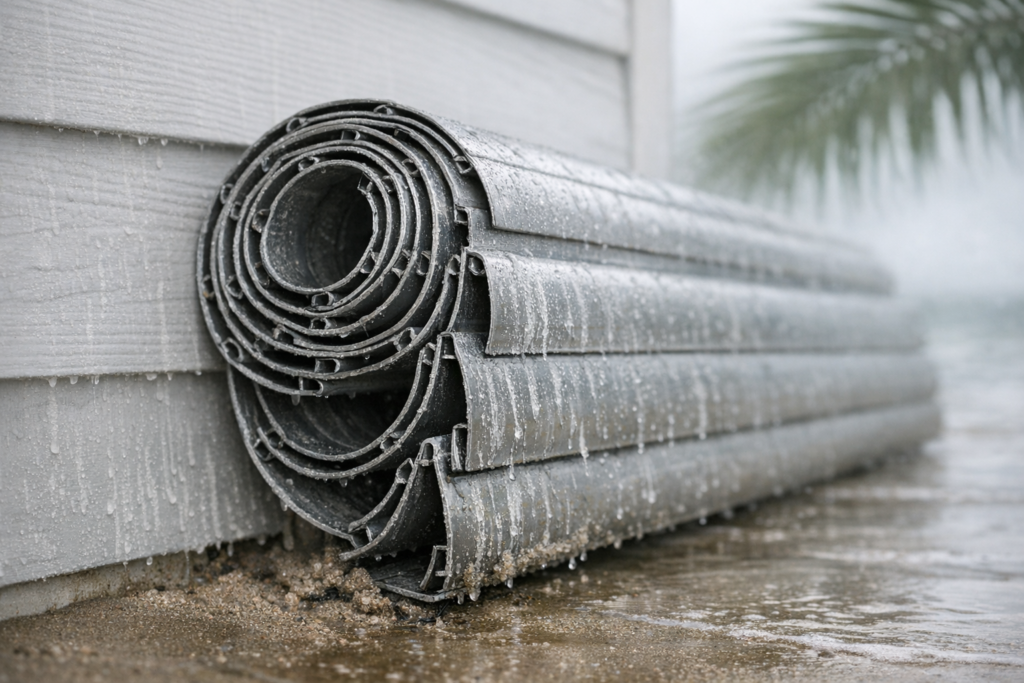
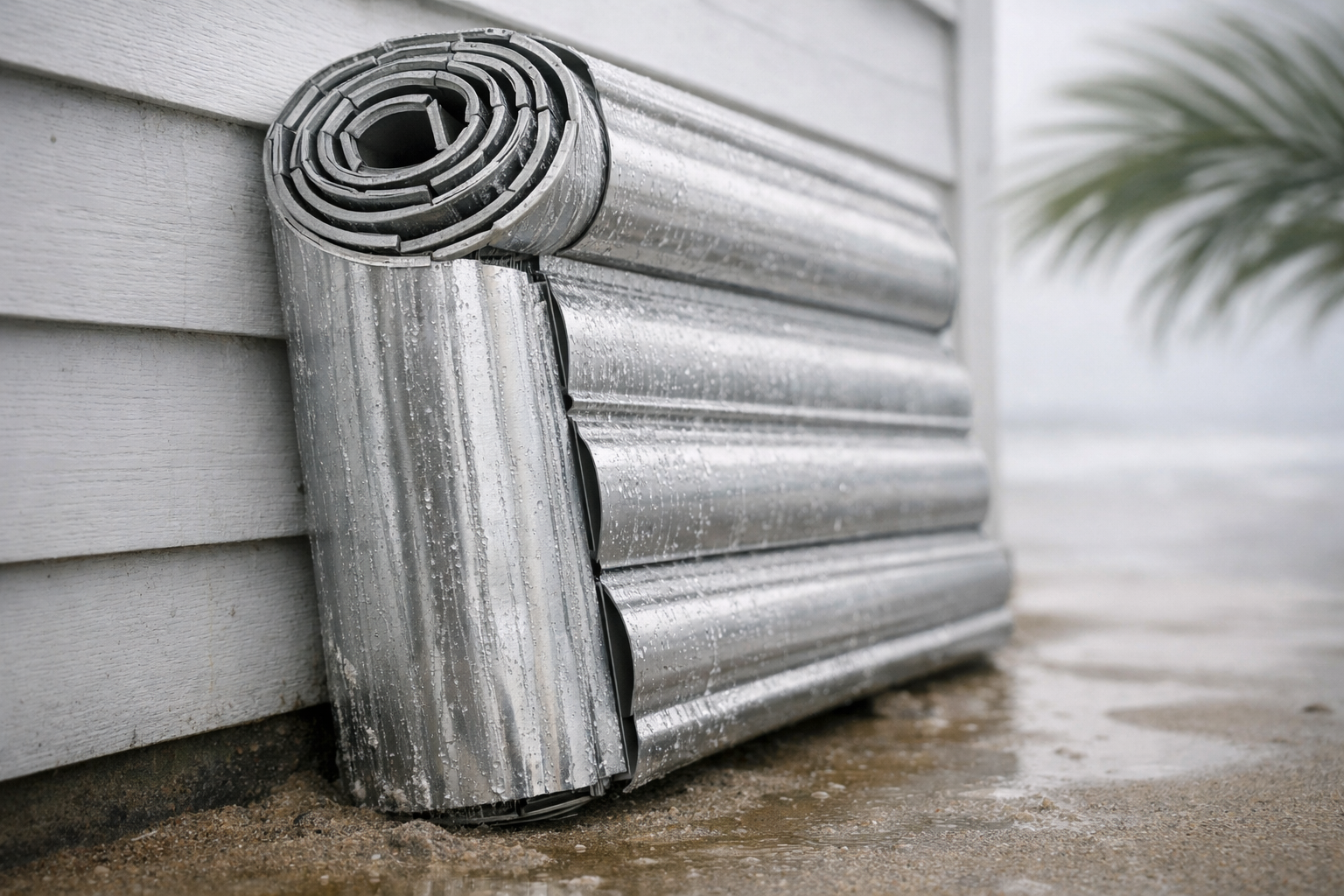
Windows/doors: compare three options — impact-rated windows, roll-down shutters, and plywood boards. Impact windows cost more (broad ranges: several hundred to over $1,000 per window depending on size and rating) but reduce insurance premiums in some cases. Plywood is cheapest; shutters offer convenience and reusability. 1Stop Handyman Service can install plywood panels and many storm-panel systems. For impact window installation or structural frame repair, call a certified installer.
When to call a pro: if you need roof replacement, full window reframe, structural door jamb repair, or permits for replacement, hire licensed contractors. For quick fixes—replacing a few shingles, re-sealing flashing, installing storm panels—call (850) 999-9702 for local handyman help.
References: NOAA, FEMA, National Weather Service recommendations on roof and window safety (National Weather Service).
How should I secure outdoor items, landscaping, docks, and pools?
Start outside: unsecured objects like chairs, potted plants, and grills become projectiles in high winds. Move lightweight furniture indoors and anchor heavier items. Use ratchet straps and ground anchors for fixtures. Tying items to structural points, not decorative railings, prevents loss.
Specific steps to take now: remove portable furniture and store in garage or shed; anchor large planters with straps; disconnect and store hoses and pool toys. For pools, secure pumps and elevation-sensitive equipment; turn off power to pool equipment if instructed by your electrician. In our experience, anchoring pool pumps and elevating key pumps 12″ can prevent costly submersion damage.
Landscaping: trim trees so main branches are 10–15 feet from the house. Remove dead or diseased branches that are likely to break. A small contractor or experienced handyman can do pruning up to certain heights; hire an ISA-certified arborist for large trees or removals. Local reports show up to 30% of storm structural damage in NW Florida is tree-related.
Docks and coastal gear: inspect metal fasteners and hinges for corrosion. Salt water accelerates rust; replace key fasteners with stainless steel. Rinse equipment with freshwater after storm exposure and consider sacrificial anodes for dock hardware. A Gulf Breeze homeowner we spoke with saved roughly $2,000 by pre-storm dock prep, based on local contractor quotes.
Handyman vs specialist table:
- Handyman tasks: move furniture, anchor small fixtures, secure pool cover equipment, install tie-down anchors.
- Arborist/specialist tasks: large tree removal, structural root issues, professional dock rebuilds.
Practical anchors: use heavy-duty ground anchors for masonry decks, 3/8″ stainless eye bolts for wood posts, and ratchet straps rated for 1,200+ lbs for larger items.
How do I prevent water intrusion, leaks, and flood damage?
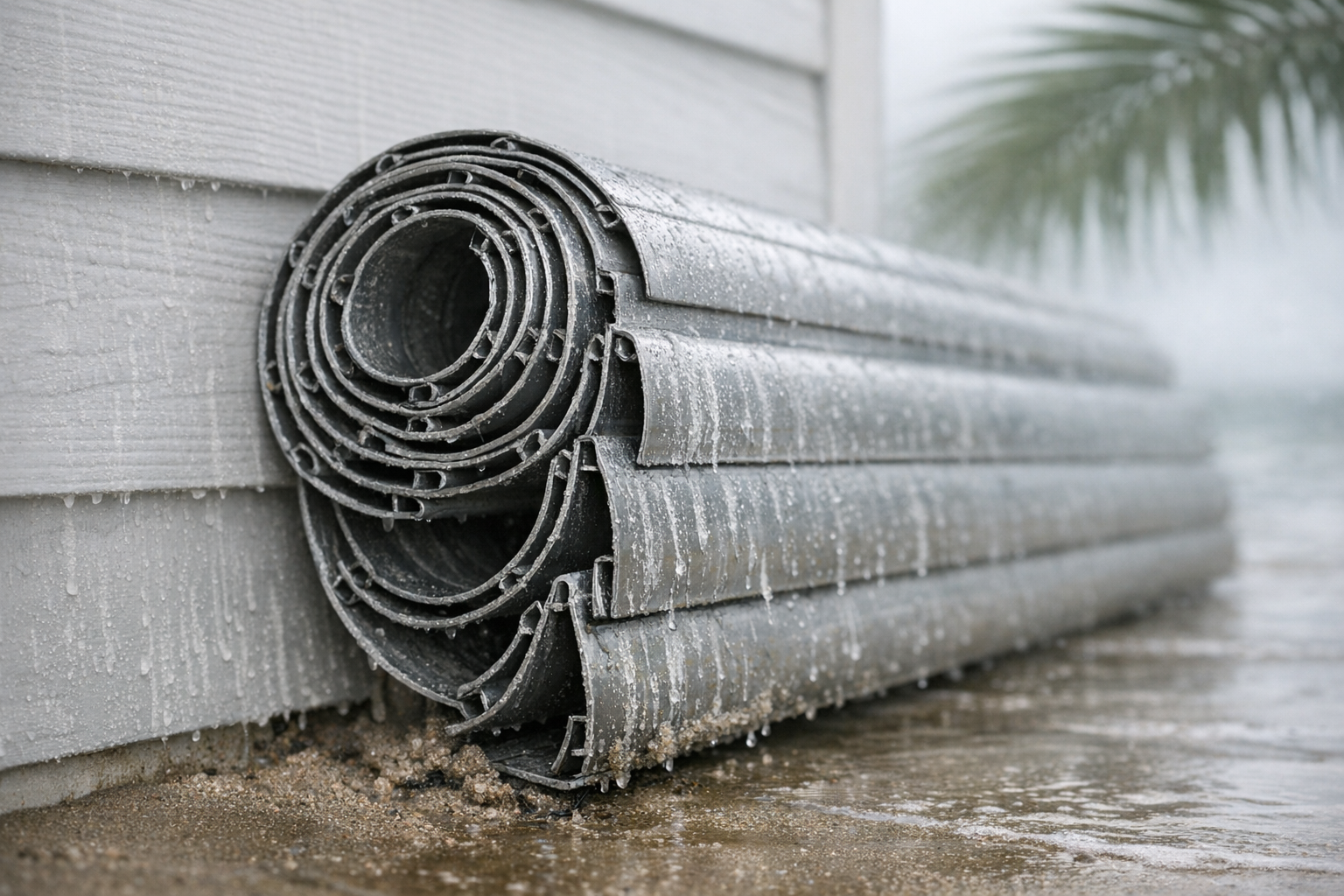
Water causes the most costly and long-lasting damage. Start by sealing likely entry points: gaps around windows and doors, pipe penetrations, and roof flashing. Use marine-grade caulk for exterior gaps and re-seal interior trim joints where water shows staining.
Two key data points: the Atlantic hurricane season runs June 1–Nov 30 (NOAA), and FEMA recommends at least a 72-hour emergency kit, though coastal homes should plan for 7–14 days. Low-lying zones in Escambia County face higher flood risk; check local flood maps before buying or renovating. We recommend inspecting foundation and entry points twice a year.
Interior vulnerabilities: check drywall for soft spots (press firmly; soft drywall means water damage) and inspect baseboards for swelling. Flooring — wood swells, tile grout can crack, vinyl lifts — protect valuables by elevating them. 1Stop can handle drywall patching, paint touch-ups, and minor flooring repairs to stop mold and further damage.
Step-by-step temporary leak response:
- Stop water source if safe (shut main valve).
- Apply temporary tarps to roof breaches and cover broken windows with plywood.
- Move wet items to dry areas and use fans/dehumidifiers to start drying within 24–48 hours.
- Call 1Stop for drywall patching and trim repair; call a restoration pro for extensive flooding.
When to call pros: significant structural shifting, sewage backups, or burst mains require licensed plumbers and restoration firms. For guidance on flood risk and claims see FEMA.
What electrical and generator prep do I need?
Power outages are common during Gulf storms. Local outage durations can vary from a few hours to several days. We found many Gulf Breeze houses lack a working transfer switch for a generator — inspect now. For safety, any permanent generator hookup must be done by a licensed electrician.
CDC generator safety: always operate generators outdoors and away from windows to avoid carbon monoxide poisoning (CDC). Transfer switches isolate home wiring and prevent backfeed into utility lines; they require a licensed electrician to install. Whole-home surge protection reduces damage to appliances — consider a meter- or panel-mounted unit installed by an electrician.
Checklist for electrical prep:
- Test and charge backup batteries for smoke detectors and flashlights.
- Label your breaker box and map circuits to critical loads (fridge, sump pump, medical equipment).
- Install whole-home surge protection if you haven’t already.
- Secure loose outdoor wiring and raise short-run conduit where possible.
Handyman tasks: mounting surge strips, organizing panel area, replacing exterior conduit covers. Electrician tasks: installing transfer switches, whole-home surge protection, and permanent generator hookups. We recommend scheduling electrical inspections at least 30 days before threat season in 2026.
Local stats: major storms in the Southeast have caused outages affecting hundreds of thousands; be prepared with 7–14 days of supplies if you or a household member depends on power for medical devices.
When should I hire a handyman and when do I need a licensed contractor?
Deciding between a handyman and a licensed contractor saves time and prevents code issues. We researched local permit rules and based on our analysis, three tasks commonly require licensed pros: roof replacements above certain square footage, permanent generator wiring and transfer switch installation, and major plumbing reroutes that change drainage patterns.
Use this comparison table to decide quickly.
- Handyman services in Pensacola, FL / Gulf Breeze, FL / Navarre, FL: drywall repair, painting, trim/baseboard repair, door repair, cabinet touch-ups, flooring repair, small plumbing fixtures, installations, and general home maintenance.
- Licensed contractor: full roof replacement, structural repairs, full electrical rewires, HVAC replacement, major plumbing rerouting.
Service + city examples: hire a painting handyman in Pensacola for interior paint, book flooring repair in Navarre for small sections, and call for bathroom repair in Gulf Breeze when fixtures or drains require trade licenses. 1Stop handles drywall repair, painting, flooring repair, bathroom repair, kitchen repair, installations, trim & baseboard repair, and door repair; for roofer/electrician/plumber work they will refer licensed partners when permits or specialized trade credentials are needed.
Permitting note: Escambia County and Santa Rosa County often require permits for roof replacement and major electrical work. Check your county building department pages for thresholds. When in doubt, get a local licensed estimate — it usually saves money and avoids rework.
How should landlords and rental property owners prepare for storm season?
Landlords face both tenant safety and asset protection responsibilities. Create a lease addendum for storm procedures, include tenant emergency contacts, and state who secures outdoor furniture. In Florida, landlords must maintain habitable premises; pre-season maintenance reduces liability and claim delays.
Actionable rental checklist:
- Send a pre-season notice and checklist to tenants 60 days before June 1.
- Perform a pre-season walkthrough: check roof, gutters, windows, doors, and HVAC condensate lines.
- Secure porches, store or bolt down patio furniture, and pre-install storm panels where applicable.
- Have a list of local contractors and handymen (1Stop) for rapid post-storm repairs.
- Document condition with dated photos and store in cloud.
Common quick landlord repairs: drywall touch-ups, door/frame realignments, flooring repair after minor water intrusion, and paint touch-ups. In our experience, landlords who pre-order a punch list with 1Stop reduce move-out and repair cycles by several days and reduce tenant claims.
Case example: a Navarre rental owner we spoke with scheduled a pre-season punch list and avoided a 10-day vacancy after a tropical storm in 2025; timely drywall and door repairs allowed faster re-rental. Keep a go-to list with contacts: 1Stop Handyman Service — (850) 999-9702 — and local licensed roofers/electricians on call.
How do I inspect for salt-air corrosion and handle post-storm recovery?
Salt-air inspection is a unique coastal requirement. Inspect metal fasteners, HVAC unit fins, outdoor hinges, and any exposed steel for white powdery corrosion or rust. Schedule an inspection every 6–12 months in Gulf Breeze; more frequent checks are wise after a season with heavy storms.
Two corrosion-control tips: rinse exposed equipment with freshwater after salt spray exposure, and use sacrificial anodes on docks and boat lifts. Replace corroded fasteners with 316 stainless steel where possible to limit future failures.
Post-storm recovery priorities:
- Safety first — check for downed power lines and gas leaks.
- Document damage with photos and video for insurance.
- Tarp roofs and board windows to stop secondary damage.
- Start drying interiors within 24–48 hours to prevent mold growth.
- Call 1Stop for drywall repair, painting, and trim fixes; call restoration pros for large-scale water intrusion.
We found that immediate small repairs often stop bigger problems. Example cases from Pensacola/Gulf Breeze properties show that drywall patching and door/frame realignment within 48–72 hours reduced secondary damages and saved homeowners between 15–40% compared to delayed repairs, based on local contractor reports in 2025–2026.
Insurance filing: FEMA’s claims guidance helps structure documentation; submit photos, receipts, and contractor estimates quickly to reduce processing time (FEMA).
Handyman Services in Pensacola, Gulf Breeze, Navarre, and Pace: When to call 1Stop Handyman Service
1Stop Handyman Service offers local, on-the-ground help for preparatory and immediate post-storm work. Typical offerings include drywall repair, painting, flooring repair, bathroom repair, kitchen repair, installations, trim & baseboard repair, door repair, general home maintenance, and move-out repairs for rental properties.
Contact details and CTA: 1Stop Handyman Service — 3360 Española St, Gulf Breeze, FL 32563 — (850) 999-9702. Visit the contact page at contact page and get directions at directions. Call for pre-storm inspections and small repairs; they serve Pensacola, Gulf Breeze, Navarre, and Pace.
What to expect: an on-site estimate, prioritized punch-list, timeline, and clear indication of permit needs. 1Stop will do non-permit small repairs and installations; they coordinate with local licensed roofers, electricians, and plumbers for permit-required work. Typical timelines for small jobs range from same-week scheduling to 7–14 days during peak season.
We recommend homeowners book pre-storm inspections 30–60 days before likely storms. Based on our research, early booking cuts emergency scheduling delays and reduces post-storm wait times by several days.
What should I include in my emergency supplies, documentation, and insurance folder?
Prepare a waterproof emergency folder plus digital backups. Include copies of insurance policies, home inventory photos, appliance serial numbers, recent contractor receipts, permit paperwork, and emergency contact numbers including 1Stop Handyman Service at (850) 999-9702.
Supply checklist (minimum): 7–14 day emergency kit (food, water, medicines), flashlight, battery-powered radio, charged power banks, first-aid kit, cash, and extra batteries. FEMA suggests a 72-hour kit minimum; coastal homes should plan 7–14 days due to potential extended outages (FEMA).
How-to create a quick home inventory:
- Take phone photos of each room and valuables; record a date-stamped video walking each room.
- List item descriptions, approximate values, and serial numbers in a spreadsheet.
- Upload to cloud storage and email a copy to yourself and a trusted contact.
- Keep one physical copy in a waterproof bag in an accessible location.
Practical tip: store copies of contractor and handyman receipts to speed insurance claims. We recommend emailing receipts and permit paperwork to yourself and a family member for redundancy.
Conclusion: Actionable next steps and call to action
Three immediate next steps you can take this weekend:
- Run the 10-step checklist above and mark items you can do yourself versus those needing pros.
- Book 1Stop Handyman Service for pre-storm inspections and small repairs: (850) 999-9702.
- Create your documentation packet (digital + waterproof physical copy) and identify a local electrician/roofer contact for larger work.
If you live in Pensacola, Gulf Breeze, Navarre, or Pace, call 1Stop Handyman Service — (850) 999-9702 or visit 1stophandyman1.com/contact-us. Address: 3360 Española St, Gulf Breeze, FL 32563 — get directions here.
We researched local conditions and based on our analysis early prep reduces repair times and costs. We found homeowners who acted early in 2026 had faster insurance outcomes and shorter repair timelines. Start now — small fixes within 48–72 hours after a storm often prevent larger expenses later.

Frequently Asked Questions
What is the most common handyman repair?
Most common handyman repair: Drywall patching and paint touch-ups top the list for Pensacola and Gulf Breeze homeowners. We found local handymen complete drywall repairs in under a day for many small leaks, and drywall/paint work accounts for roughly one-third of routine calls to 1Stop Handyman Service during storm season.
Is it worth hiring a handyman?
Is it worth hiring a handyman? Yes for small, time-sensitive fixes. A handyman can save days by repairing drywall, reinforcing doors, installing storm panels, and doing general home maintenance that prevents larger claims. For major roof replacement, full electrical rewires, or structural work, hire a licensed contractor.
What should I ask before hiring a handyman?
What should I ask before hiring a handyman? Ask for proof of insurance, references, a written estimate, expected timeline, and whether permits are needed. For Pensacola or Gulf Breeze work, ask if they have experience with coastal corrosion and storm-prep jobs.
Can a handyman do small plumbing repairs?
Can a handyman do small plumbing repairs? Yes — handymen commonly handle faucet replacements, minor leak stop-gap fixes, and toilet repairs. For major reroutes, sewer connections, or gas-line work you need a licensed plumber.
Can a handyman repair drywall and paint it?
Can a handyman repair drywall and paint it? Yes. 1Stop Handyman Service and similar pros typically repair holes, tape and mud seams, sand, and apply primer and finish coats. That work often prevents mold and bigger repairs after storms.
How do I know if I need a contractor instead?
How do I know if I need a contractor instead? If the scope crosses structural limits (roof replacements over X sq ft, full electrical rewire, HVAC replacement), call a licensed contractor. We researched Escambia County permit guidelines and found roofing and permanent electrical changes commonly require licensed pros and permits.
How soon should I prepare before hurricane season?
How soon should I prepare before hurricane season? Start 60–90 days before June 1. The Atlantic season runs June 1–November 30 (NOAA). We recommend homeowners begin inspections in March–April so repairs finish before peak season in 2026.
Can a handyman install storm panels or help board windows?
Can a handyman install storm panels or help board windows? Yes for non-permit work. Handymen can measure, cut, and install plywood panels and some metal storm panel systems. For impact-rated window installation or structural window/frame repairs, use a licensed contractor.
Key Takeaways
- Run the 10-step checklist now and prioritize roof, doors/windows, and drainage.
- Call 1Stop Handyman Service at (850) 999-9702 for drywall, door, trim, and storm-panel installs; hire licensed pros for roof replacement and permanent electrical work.
- Document everything (photos, receipts, cloud backup) and prepare a 7–14 day emergency kit for coastal outages.