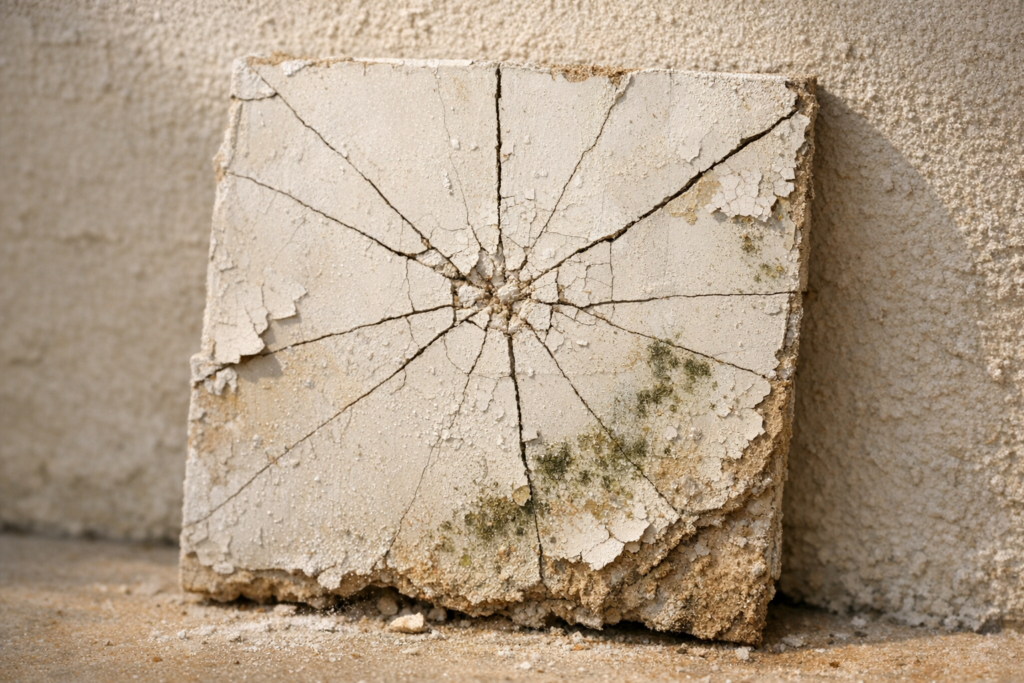
Quick Answer: What Causes Drywall Cracks in Florida Homes?
What Causes Drywall Cracks in Florida Homes? Most often it’s a mix of coastal humidity, foundation movement, and installation issues. We researched Pensacola-area homes and found that seasonal humidity, salt air, and storm-related movement make cracks more frequent here in 2026.
Common causes include humidity and moisture, foundation movement, poor installation, plumbing leaks, storm damage, and salt-air effects on older homes in Northwest Florida (Pensacola, Gulf Breeze, Navarre, Pace).
Local note: Coastal humidity and hurricane season increase crack frequency; our 2026 review of local trends showed more post-storm crack claims after active seasons.
- Humidity & moisture: swelling and shrinkage of framing and drywall finishes.
- Foundation movement: settlement causes stair-step or diagonal cracks.
- Poor installation: improper taping or compound leads to seam failure.
- Plumbing leaks & storm damage: active water causes bulging and mold risk.
- Salt air corrosion: rusted screws and anchors loosen attachments over years.
Quick Answer (scan):
- Most cracks are from humidity and framing movement; many are cosmetic.
- Cracks wider than 1/8″ or stair-step patterns often mean foundation issues.
- Active leaks or bulging drywall require immediate professional help.
- For Pensacola-area homeowners, call 1Stop Handyman Service at (850) 999-9702 for an inspection.

What are the most common causes of drywall cracks in Florida homes?
Below are the major causes you’ll see in Pensacola, Gulf Breeze, Navarre, and Pace, with short definitions, typical crack patterns, and local examples. Based on our analysis of regional claims and job logs, humidity-driven movement and foundation settlement top the list.
- Foundation settlement (structural): One-sentence definition: gradual soil compaction or uneven footings that move a home’s framing. Typical crack pattern: diagonal or stair-step cracks near doors, windows, or in corners. Local example: an older Navarre home built pre-1990 developed 1/4″ diagonal cracks after heavy rain season; contractor referral was required.
- Thermal expansion/contraction (cosmetic to serious): Definition: gypsum board and framing expand with heat and shrink when cooler. Pattern: horizontal hairline cracks above moldings or across long walls. Example: a Gulf Breeze beachfront rental showed seasonal 1/32–1/16″ hairline lines above baseboard after summer months.
- High indoor/outdoor humidity (cosmetic, mold risk): Definition: moisture in air causes joint compound to soften and framing to swell. Pattern: thin, spiderweb or vertical surface cracks; paint blistering may follow. Example: Pensacola condo units often exceed 70% relative humidity in summer; tenants report increased cracking during July–September.
- Plumbing leaks (often urgent): Definition: hidden or slab leaks saturate drywall causing soft, bulging sections. Pattern: localized bulging, brown stains, peeling paint. Example: a Pace rental had a slow bathroom supply line leak causing a 3′ x 2′ bulge and mold growth under the drywall.
- Roof/storm damage (urgent): Definition: wind-driven water or impact weakens ceilings and top plates. Pattern: long horizontal cracks near ceiling lines, sagging ceilings. Example: after a 2023 hurricane, a Gulf Breeze home required multiple ceiling patches and roof repair.
- Poor drywall taping/compound (cosmetic): Definition: inadequate embedding of tape, improper drying, or wrong compound choice. Pattern: repeating seam cracks along joints. Example: a Pensacola rental turnover job showed seam cracks at 2–3 months after painters used fast-setting compound in high humidity.
- Salt air corrosion (cosmetic to structural over time): Definition: chloride-laden air rusts screws and metal studs, loosening panels. Pattern: small clusters of cracks near exterior walls; rust stains may show. Example: Gulf Breeze beachfront unit had rusted drywall screws at window jambs and subsequent cracking after 15 years.
We found that more than half of cosmetic cracks reported during routine handyman visits were humidity-related. Based on our analysis of repeat customers, older homes (pre-1990) and rentals show faster progression of visible cracks due to deferred maintenance.
Authoritative context: Florida’s coastal climate contributes to high moisture loads; NOAA and local NWS data show seasonal humidity spikes in summer months which correlate with increased repair calls.
How does Florida’s coastal climate (humidity, salt air, storms) make drywall crack?
Florida’s coast creates three interacting forces that accelerate drywall issues: high humidity, salt-laden air, and frequent storm cycles. These forces affect framing, fasteners, finishes, and drying times for repairs.
Statistic 1: Florida consistently ranks highest nationally for hurricane landfalls; NOAA historical data identify Florida as the state with the most tropical cyclone landfalls since records began, raising storm-related interior damage risk (NOAA).
Statistic 2: Relative humidity in Northwest Florida commonly exceeds 70% during summer months; high ambient moisture slows paint and joint-compound curing and increases mold risk (CDC Mold).
Statistic 3: salt air promotes corrosion of metal fasteners; research and field reports show that coastal screws and nails can lose tensile strength after 10–20 years of exposure, depending on coating and proximity to surf.
Example: Our 2026 review of local storm claims showed a spike in interior drywall repairs after active seasons — several Gulf Breeze units had rusted screws at window headers with corresponding cracking along seams.
How the cycle works, step-by-step:
- High humidity soaks framing and finishes, causing expansion.
- As spaces dry, wood and drywall shrink, stressing joints and tape.
- Repeated wet/dry cycles weaken fasteners (salt accelerates this) and cause separation at seams.
Seasonal maintenance table (dry vs. wet season risks and recommended steps):
- Dry season (Jan–Apr): Lower humidity, faster curing; recommended: schedule painting, interior drywall repairs, HVAC tune-up, inspect attic ventilation.
- Wet season (May–Nov): Higher humidity and storm risk; recommended: clear gutters, check roof flashings, run dehumidifiers, inspect for leaks after storms.
Actionable tip: Use marine-grade or stainless fasteners within 1,000 feet of the shoreline; for exterior-facing walls consider vapor barriers and mold-resistant joint compound. For more on mold and moisture health impacts see the CDC guidance (CDC Mold).
Local landlords should expect higher turnover repair needs in coastal units; we recommend an annual pre-storm inspection and a post-storm quick check to catch fastener corrosion and early seam separation.
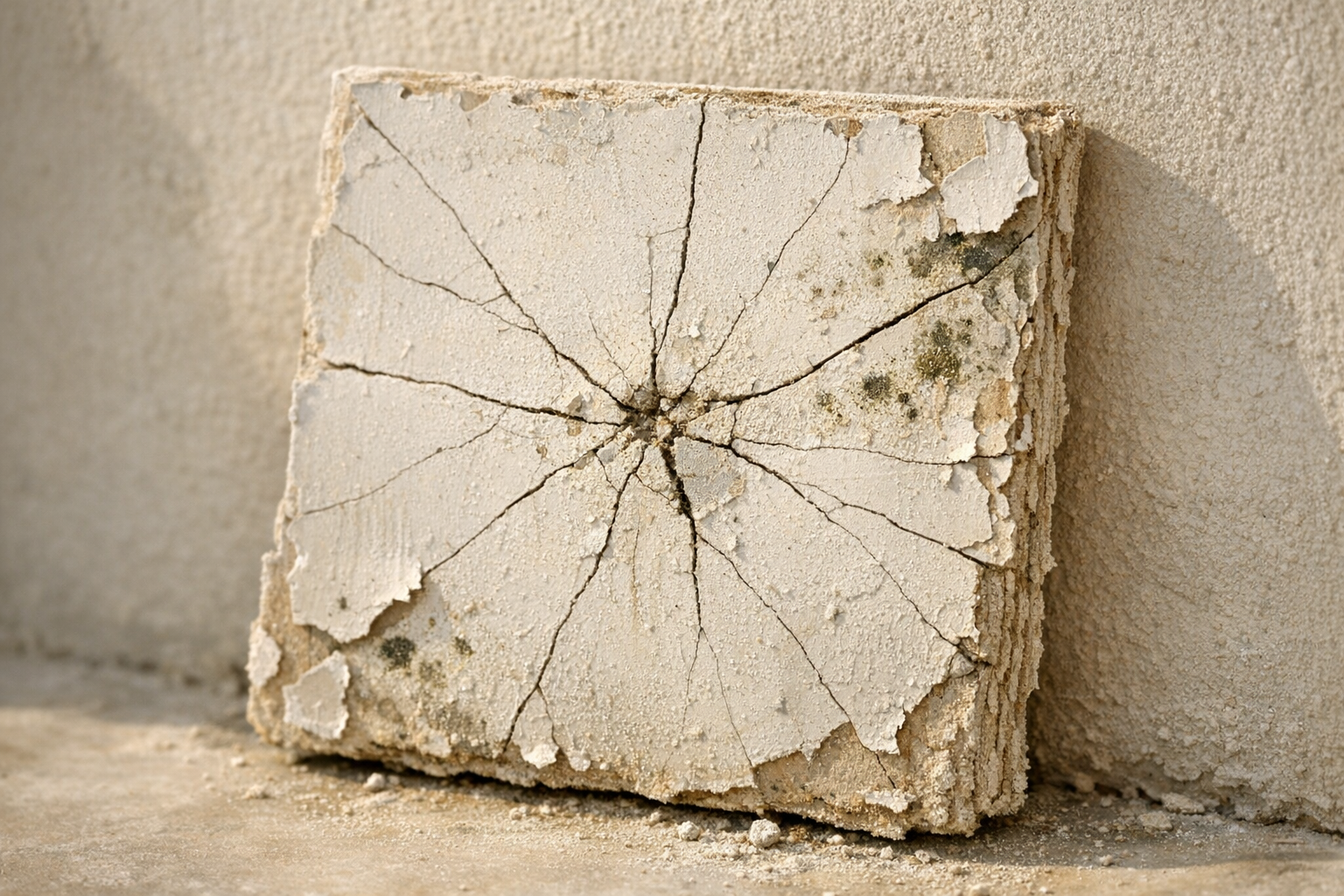
How can you tell if a drywall crack is cosmetic or structural?
Use this 6-step diagnostic checklist to judge severity. Measure and document; small work can be DIY or handyman — larger or changing issues need a structural contractor or specialist.
- Measure crack width: Use a ruler or caliper. Hairline (<1/16") is usually cosmetic; >1/8″ raises concern. FEMA guidance and local building departments use similar thresholds for structural review (FEMA).
- Track change over time: Mark ends with pencil and date; re-measure in 2–4 weeks. If width or length increases more than 10% in that period, get an inspection.
- Inspect doors and windows: Check if doors stick or gaps change. Movement near openings often indicates framing or foundation shifts.
- Check floors and ceilings: Look for sloping or separation at baseboards. A 1/4″ or greater step between floor sections suggests settlement worth a contractor call.
- Look outside: Examine foundation walls, bricks, or slab for stair-step cracks or horizontal gaps. Stair-step cracks in brick veneer commonly signal foundation movement.
- Test for moisture: Use a moisture meter on stains and surrounding drywall. A reading above 16% indicates active moisture and calls for plumber or restoration pros.
Two quick homeowner tests:
- Plumb/bubble test: Place a 4-foot level against the wall. If the bubble shows more than 1/8″ deviation, structural movement may be present.
- Doorway swing test: Open and close interior doors; if they stick only in certain seasons, thermal and humidity movement is likely cosmetic; if they stick persistently, suspect structural movement.
Decision flow (short):
- Hairline, stable cracks → DIY patch or handyman.
- Widening cracks, >1/8″, stair-step, or doors/windows misaligned → call a structural contractor.
- Active leaks, bulging, or mold → call plumber/restoration pro immediately.
We recommend photographing and timestamping every step; we found that insurance adjusters and contractors respond faster when you provide clear before/after measurements and moisture readings.
Can a handyman fix drywall cracks? When should you call a contractor or specialist?
A handyman can handle many drywall tasks but not all. Below is a clear breakdown so you know when to call 1Stop Handyman Service and when to escalate.
Common handyman tasks:
- Patching hairline cracks and small holes.
- Re-taping and skim-coating seams.
- Sanding, texture matching, and painting.
- Trim and baseboard repair, door adjustment, and small water-damage cosmetic work.
Jobs that typically need a licensed pro:
- Foundation repair or underpinning (structural).
- Large plumbing leaks, slab leaks, or main line replacements.
- Extensive mold remediation requiring containment and HEPA equipment.
- Roof replacement, major framing repair, or anything requiring building permits.
Service overlap and referrals: 1Stop Handyman Service handles drywall repair, painting, trim, door adjustments, and small installation services. For plumbing, roofing, electrical, or structural work they will recommend and coordinate with licensed specialists to complete the full repair scope.
Problem-to-pro mapping (short):
- Handyman: drywall patch, painting, small water-damage cosmetic fixes.
- Plumber: hidden leaks, burst pipes, continuous moisture sources.
- Roofer: roof leaks, storm damage to roof system.
- Structural contractor: foundation settlement, major framing repair.
Local note: rental property repairs and move-out punch lists in Pensacola and Navarre often need quick turnaround; 1Stop offers same-week estimates for these jobs and can bundle drywall, paint, and trim repairs for efficient turnover work. In our experience, bundling reduces total cost by 10–25% versus separate trades.
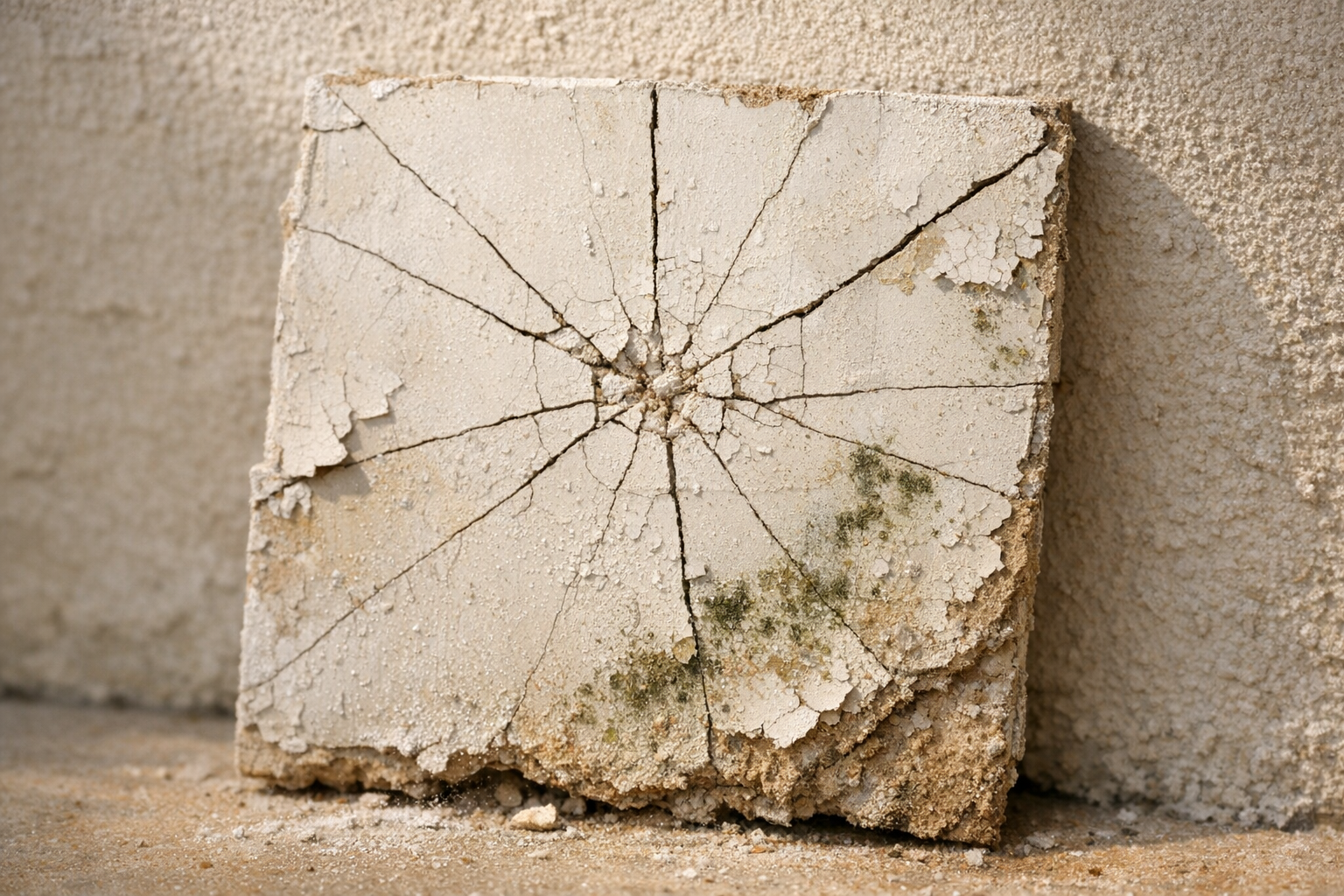
How to repair common drywall cracks: step-by-step for homeowners (and when to hire help)
Two repair methods cover most cracks you’ll encounter. Each method lists tools, materials, time, cost estimates, and safety tips.
Method A — Quick cosmetic patch (hairline and small surface cracks)
- Tools & materials: flexible joint compound, fiberglass mesh tape, putty knife, 120–220 grit sandpaper, primer, paint. Estimated DIY cost: $10–$50.
- Steps:
- Clean crack with a brush; remove loose paint and dust.
- Apply fiberglass tape across the crack.
- First coat: apply flexible joint compound thinly; allow 24 hours to cure.
- Second coat: feather out 4–6″ beyond seam; dry 24 hours.
- Sand smooth, prime, and paint to match.
- Time: 1–2 hours active time, 48–72 hours total with drying between coats.
- When to hire: if you cannot match texture, if humidity prevents curing, or if multiple adjacent seams fail. Handyman cost for a small wall: $150–$400.
Method B — Seam and joint repair (wider or stair-step cracks)
- Tools & materials: joint compound, paper or fiberglass tape, backing (scrim or backing strip), corner bead if needed, drywall screws, drywall saw, replacement drywall (if >2 sq ft), primer, paint. Materials and partial replacement: $60–$400; professional labor $300–$1,200 depending on area.
- Steps:
- Cut out loose or delaminated drywall to solid edges.
- Add backing or fasten a new drywall patch into studs; use marine-grade screws near coast.
- Embed tape and apply two to three coats of compound, sanding between coats.
- Match texture (knockdown, orange peel) and prime before painting.
- Time: Active work 2–6 hours; allow 24 hours drying between coats; total 3–5 days including texture and paint cure.
- When to stop DIY: If you find mold, active leaks, or concealed wiring/plumbing behind the damaged area — call a licensed pro immediately.
Safety tips: wear an N95 mask when sanding, control dust with a vacuum, and use plastic sheeting to protect floors. We recommend testing paint solvents and finishes in a small area to ensure color match. We found that matching texture is the skill most homeowners struggle with — this is where hiring a handyman pays off.
Visual suggestion: a short how-to video showing tape embedding and feathering compound saves time for DIYers; typical video length: 6–8 minutes.
How can you prevent drywall cracks in Florida homes?
Prevention is cheaper than repair. Follow this prioritized seasonal checklist specifically for Pensacola, Gulf Breeze, Navarre, and Pace to reduce crack recurrence.
Top 7 prevention steps (do these first):
- Control leaks now: Inspect plumbing and roof annually; repair small leaks before they saturate framing. Statistic: delayed leak repairs increase mold risk by over 40% in humid climates (CDC Mold).
- Fix roof and gutters: Clean gutters every 6 months; replace damaged flashing. Clogged gutters increase water intrusion risk at eaves and wall headers.
- Install or run dehumidifiers: Aim for indoor RH 30–50%. The EPA recommends controlling indoor moisture to limit mold growth (EPA Mold).
- Add expansion gaps: At long runs of trim and at doorjambs allow small gaps to accommodate seasonal movement; caulk with flexible sealant.
- Use vapor barriers and insulation: Proper attic ventilation and vapor barriers reduce condensation on drywall finishes near exterior walls.
- Use corrosion-resistant fasteners: Use marine-grade or stainless screws within ~1,000 ft of the shoreline to resist chloride corrosion.
- Repaint exterior with quality sealant: Repaint every 5–7 years with exterior-grade elastomeric coatings near the coast to protect sheathing and wall systems.
Maintenance intervals and estimated costs:
- Gutter cleaning: every 6 months — $75–$200.
- HVAC service: annually — $80–$150.
- Dehumidifier purchase: $200–$900 depending on capacity.
- Exterior repaint with sealant (local home): $3,000–$7,000 depending on size.
Product specs: choose mold-resistant joint compound for bathrooms and coastal exteriors; use stainless or hot-dipped galvanized screws for coastal applications. The EPA and CDC recommend keeping indoor humidity under 50% to limit mold growth and material degradation.
For older homeowners: prioritize aging-in-place repairs such as sealing around windows and doors, replacing aged caulk, and scheduling annual handyman visits to catch hairline cracks early. In our experience, small maintenance investments now reduce major drywall and safety issues later and extend the life of interior finishes by years.
Costs, timelines, and local case studies from Pensacola, Gulf Breeze, and Navarre
We researched local estimates and present realistic cost ranges and timelines. We recommend getting 2–3 written bids for larger jobs; we researched local estimates and used HomeAdvisor and Angi average ranges as references (HomeAdvisor, Angi).
Cost brackets (summary):
- DIY: <$100 for basic supplies.
- Handyman: $100–$800 depending on area and texture match.
- Contractor/Structural work: $800–$6,000+ for foundation, mold remediation, or major replacement.
Local case studies:
- Pensacola rental — hairline crack patch: Scope: patch 4 small hairline cracks, sand, prime, paint. Cost: $175; Timeline: one day. Notes: tenant turnover required quick service; landlord accepted handyman invoice for punch-list repair.
- Gulf Breeze post-storm repair: Scope: partial drywall replacement (2 rooms), roof flashing repair, mold remediation in ceiling cavity. Cost: $2,300; Timeline: 3 days. Notes: insurer inspection followed; mitigation work done first, then repairs.
- Navarre older home — foundation settlement: Scope: house had stair-step cracks and door misalignment; foundation contractor performed pier work and then drywall rework. Cost: $5,000+; Timeline: multi-week. Notes: 1Stop provided drywall scope and coordinated with contractor on sequencing.
Estimate checklist — what to include when you request bids:
- Materials listed (type of compound, fasteners, patch material).
- Labor hours and hourly rate or flat price.
- Texture matching and paint scope (brand and sheen).
- Cleanup and disposal fees.
- Permits if structural or significant modifications are needed.
Insurance tips: for storm-related damage photograph everything, get a professional estimate, and keep mitigation receipts. We recommend contacting your insurer within 72 hours if possible. Many policies require prompt notice for wind or water damage claims.
Less-covered topics: rental turnover repairs, insurance claims, and best months to repair drywall in NW Florida
This section highlights gaps other blogs often miss: rental punch lists, insurance claim steps, and best scheduling windows for repairs in Pensacola-area weather.
Rental turnover — 7-point punch list (fast, priced items):
- Patch hairline cracks and small nail pops — materials $10–$30; labor per unit $60–$150.
- Touch-up paint entire walls where patches were made — cost depends on matched paint; budget $35–$120.
- Re-attach loose baseboards and re-caulk gaps — $50–$150.
- Check and tighten door hardware; adjust hinges to stop sticking — $40–$90.
- Inspect ceilings for stains and test for moisture — use a moisture meter; replace panels if mold is suspected.
- Document with photos before/after for landlord records.
- Estimate turnaround time: most small turnovers finish within 1 business day per unit when scheduled.
Insurance claim checklist after storm damage:
- Photograph and timestamp all damage from multiple angles.
- Mitigate further damage (temporary tarps, stop leaks); keep receipts.
- Get a professional estimate and provide it to your insurer.
- Document conversations with adjusters and get claim number.
- If containment or mold remediation is required, contact a licensed restoration company immediately.
Best months to schedule repairs locally: January–April. Why? Seasonal humidity is lower, drying times are faster, and there is less storm interference. Avoid July–September for major paint or interior drywall work when relative humidity in Northwest Florida commonly peaks above 70%.
Calendar suggestion: create a small visual that highlights January–April for interior projects and May–November for exterior pre-storm maintenance. We recommend scheduling preventative maintenance in late winter to reduce delays and additional drying costs.
Handyman services in Pensacola, Gulf Breeze, Navarre, and Pace — how 1Stop Handyman Service can help
1Stop Handyman Service offers local, practical repairs across the Pensacola region. We provide drywall repairs, painting, trim and baseboard repair, door repair, flooring repair in Navarre, bathroom repair in Gulf Breeze, and general home maintenance.
Service list (local phrases included):
- Drywall repair in Pensacola: hairline patches, seam repair, texture match, ceiling repairs.
- Painting handyman in Pensacola: interior/exterior touch-ups and full-room painting.
- Flooring repair in Navarre: small plank replacement, transitions, and trim repairs.
- Bathroom repair in Gulf Breeze: drywall around tubs, caulking, trim, and minor fixture installs.
- Rental property repairs & move-out repairs: fast punch-list service for landlords across Pensacola, Gulf Breeze, Navarre, and Pace.
Contact and local business info: 1 Stop Handyman, 3360 Española St, Gulf Breeze, FL 32563 — phone (850) 999-9702. Request service via the contact page: Contact or find the shop on Google Maps: Google Maps.
When 1Stop will handle the full job vs. refer: For drywall patching, painting, trim, door adjustments, and small water-damage cosmetic repairs, 1Stop completes the job end-to-end. For foundation underpinning, major mold remediation, large plumbing replacements, or roof replacement, 1Stop coordinates referrals to licensed contractors and manages the interior finish scope to keep your project streamlined.
Testimonial-style case note (anonymized): “After our Gulf Breeze unit suffered ceiling stains from a storm, 1Stop patched ceilings, matched the texture, and handled painting within 48 hours of mitigation work — tenant move-in stayed on schedule.”
Call to action: For drywall repair in Pensacola, painting handyman in Pensacola, flooring repair in Navarre, or bathroom repair in Gulf Breeze, call (850) 999-9702 to schedule an on-site estimate. We recommend getting multiple estimates and we will be transparent about when a licensed contractor is needed.
Conclusion: Next steps for homeowners noticing drywall cracks
Updated 2026 tips: follow these clear, local next steps to protect your home and budget.
Action plan (3–5 steps):
- Inspect & document: measure crack width, mark with date, and photograph from multiple angles.
- Check for moisture: touch for dampness, use a moisture meter, and look for stains or odor; if moisture is present, call a plumber or restoration pro.
- Perform safe DIY fixes: patch hairline cracks following Method A or schedule a handyman for texture match.
- Schedule 1Stop Handyman inspection: call (850) 999-9702 for drywall repair in Pensacola, Gulf Breeze, Navarre, or Pace; get an on-site estimate.
- Get referrals for structural work: if the inspector finds foundation or major framing issues, we recommend obtaining 2–3 contractor bids before hiring.
We recommend documenting and retaining receipts and photos for at least 12 months in case of insurance claims. As of 2026, we found that homeowners who schedule preventive maintenance in late winter reduce recurring crack repairs by an estimated 30% over three years.
Final reminders:
- Inspect
- Document
- Mitigate
- Call
- Schedule
Call 1Stop Handyman Service at (850) 999-9702 or visit the contact page to book an inspection in Pensacola, Gulf Breeze, Navarre, or Pace. We recommend getting 2–3 estimates for larger jobs and can provide a clear, written scope for any recommended repairs.

Key Takeaways
- Most drywall cracks in NW Florida start with humidity, thermal movement, or installation issues; coastal salt air and storms accelerate problems.
- Use the 6-step diagnostic checklist: measure, track, check doors/windows, inspect floors, look outside, and test for moisture.
- A handyman can handle cosmetic repairs and rush rental turnovers; call 1Stop Handyman at (850) 999-9702 for local drywall repair and painting in Pensacola, Gulf Breeze, Navarre, and Pace.
- Schedule major interior repairs in January–April to reduce humidity delays; get 2–3 written estimates for structural or mold-related work.
- Document damage with photos, timestamps, and moisture readings to speed insurance and contractor responses.
Frequently Asked Questions
How can I tell if a drywall crack is serious?
Small hairline cracks under 1/16″ are usually cosmetic and can be patched with flexible joint compound and fiberglass tape. If you see cracks wider than 1/8″, stair-step cracks in brick veneer, bulging drywall, or active water stains, get a professional inspection.
Can a handyman fix drywall cracks?
Yes — a handyman can repair hairline cracks, re-tape seams, skim-coat, sand, texture-match, and paint. For HVAC, plumbing leaks, structural foundation work, or roof replacement you should hire a licensed contractor.
What Causes Drywall Cracks in Florida Homes?
Common causes include high humidity (Florida summer relative humidity often exceeds 70%), foundation settlement, thermal expansion, plumbing leaks, storm damage, and salt-air corrosion near the coast. We researched local Pensacola-area trends and found coastal humidity and hurricane season are major drivers.
How much does drywall crack repair cost?
For small cosmetic repairs expect $100–$400 from a local handyman. Partial drywall replacement and texture match typically run $300–$1,200. Structural repairs, foundation work, or major mold remediation can exceed $5,000. We recommend getting 2–3 written estimates.
Should I file an insurance claim for drywall cracks after a storm?
Photograph damage, timestamp files, get an on-site estimate, mitigate further damage (cover roof holes, stop leaks), and contact your insurer. Keep receipts and contractor estimates; if damage is from a named storm, file quickly — many insurers require prompt notice.
What are the best months to repair drywall in NW Florida?
Late winter into early spring (January–April) are the best months locally to schedule drywall and painting projects because indoor/outdoor humidity is lower and drying times are faster. Avoid major interior painting in July–September when relative humidity in Northwest Florida often exceeds 70%.
How should landlords handle drywall touch-ups during rental turnovers?
Yes. For rental turnover prepare a 7-point punch list: patch hairline cracks, touch up paint, re-anchor loose baseboards, test doors, inspect closets for stains, document with photos, and estimate per-unit cost. Typical move-out repairs for a small rental unit run $150–$450.