

Introduction: Quick answer for Navarre homeowners
How Navarre Homeowners Can Prepare for Storm Season starts with three priorities: protect the roof, prevent water intrusion, and assemble an emergency kit. For Pensacola-area homes in Navarre, Gulf Breeze, Pace, and Pensacola you should focus on roof integrity, sealing openings, and a local-ready emergency plan now.
Local factors—coastal humidity, salt air that accelerates fastener corrosion, and hurricane season from June 1–November 30—drive different preparation steps than inland towns. In 2026 NOAA and local forecasts emphasize active coastal risk; see NWS for current outlooks.
We researched common failure points on Navarre homes and based on our analysis we recommend early-season inspections. 1Stop Handyman Service can help with caulking, trim, drywall, and pre-storm punch-list items; call (850) 999-9702 or visit the Gulf Breeze office at 3360 Española St.

Quick Answer: 3–5 sentence checklist
How Navarre Homeowners Can Prepare for Storm Season begins with this short checklist: inspect the roof, secure windows and doors, clear gutters, protect utilities, build an emergency kit, and document your property. Salt air causes faster corrosion on coastal fasteners, so trim trees and replace rusted hardware before summer winds arrive.
We recommend calling 1Stop Handyman Service for caulking, small roof repairs, trim and drywall, and call a licensed contractor for major roof replacements or complex electrical/gas work. FEMA has clear preparedness tips you can follow at FEMA.
If you need help triaging tasks, call (850) 999-9702—handyman crews can close immediate gaps while you schedule specialists for structural work.
How Navarre Homeowners Can Prepare for Storm Season: 7-step pre-storm checklist
Follow this numbered, actionable checklist to prepare your Navarre home before storms.
- Roof inspection and loose-shingle repair. Tools: binoculars, pry bar, shingle repair kit, roofing nails, stainless fasteners. Time: 1–4 hours for a single-story, 2–8 hours for a 2-story. We found older roofs in Navarre often show cracked shingles and rusted flashing.
- Window and door protection. Materials: plywood 7/16″, hurricane straps, storm-rated shutters, foam sill seals. Time: 2–6 hours per elevation for boarding; install shutters ahead of season.
- Gutter and downspout cleaning and routing. Tools: ladder, scooping trowel, leaf guard, downspout extenders. Time: 1–3 hours for a typical single-family home. Clogged gutters cause water to back up into soffits.
- Secure outdoor items and trim trees. Actions: anchor grills, store patio furniture, remove hanging limbs. Time: 1–3 hours; hire arborist for 12″+ trunks.
- Interior waterproofing and caulking. Materials: marine-grade caulk, door sweeps, sill pans. Time: 1–4 hours for windows/doors. We researched which caulks last longest in salt air.
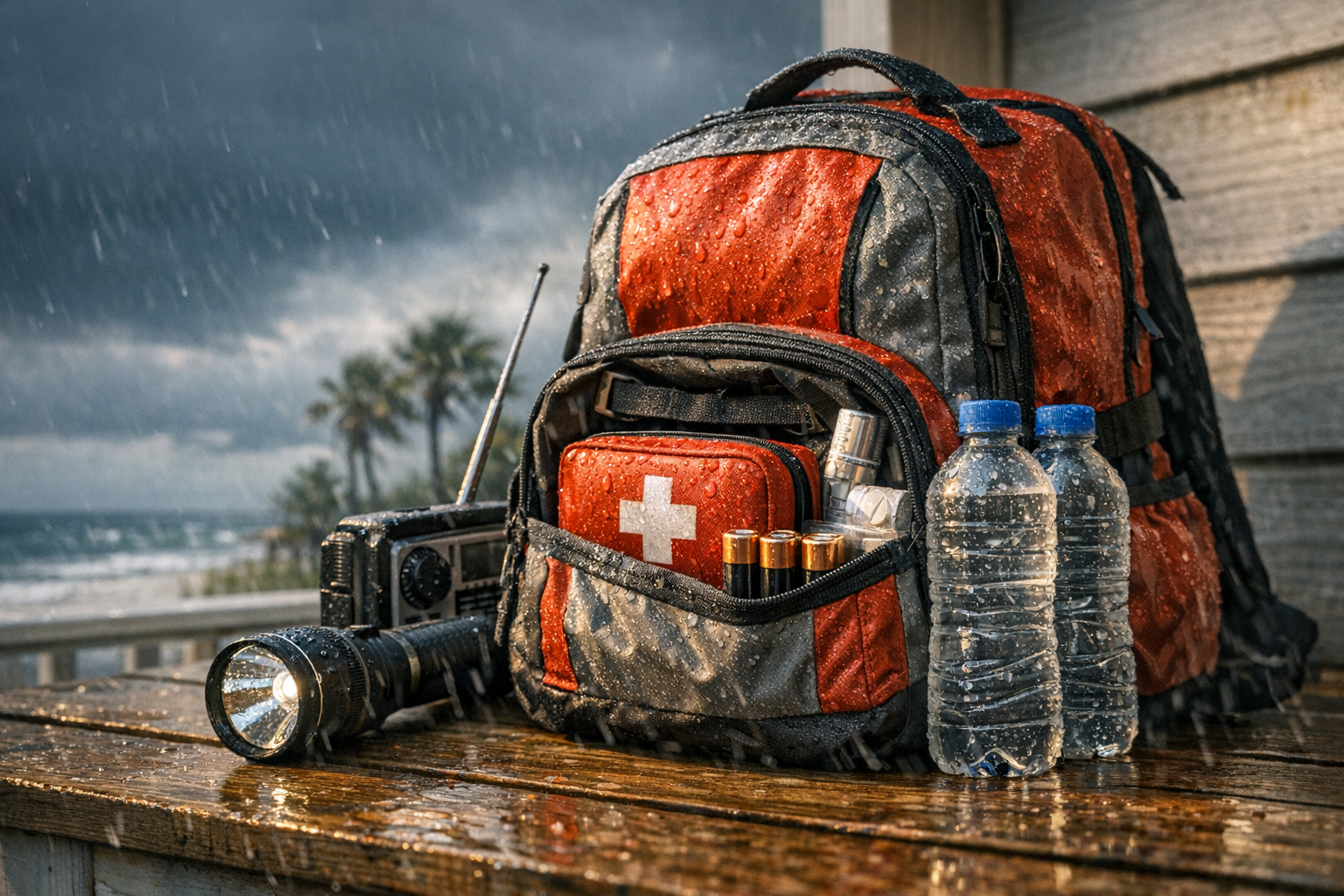
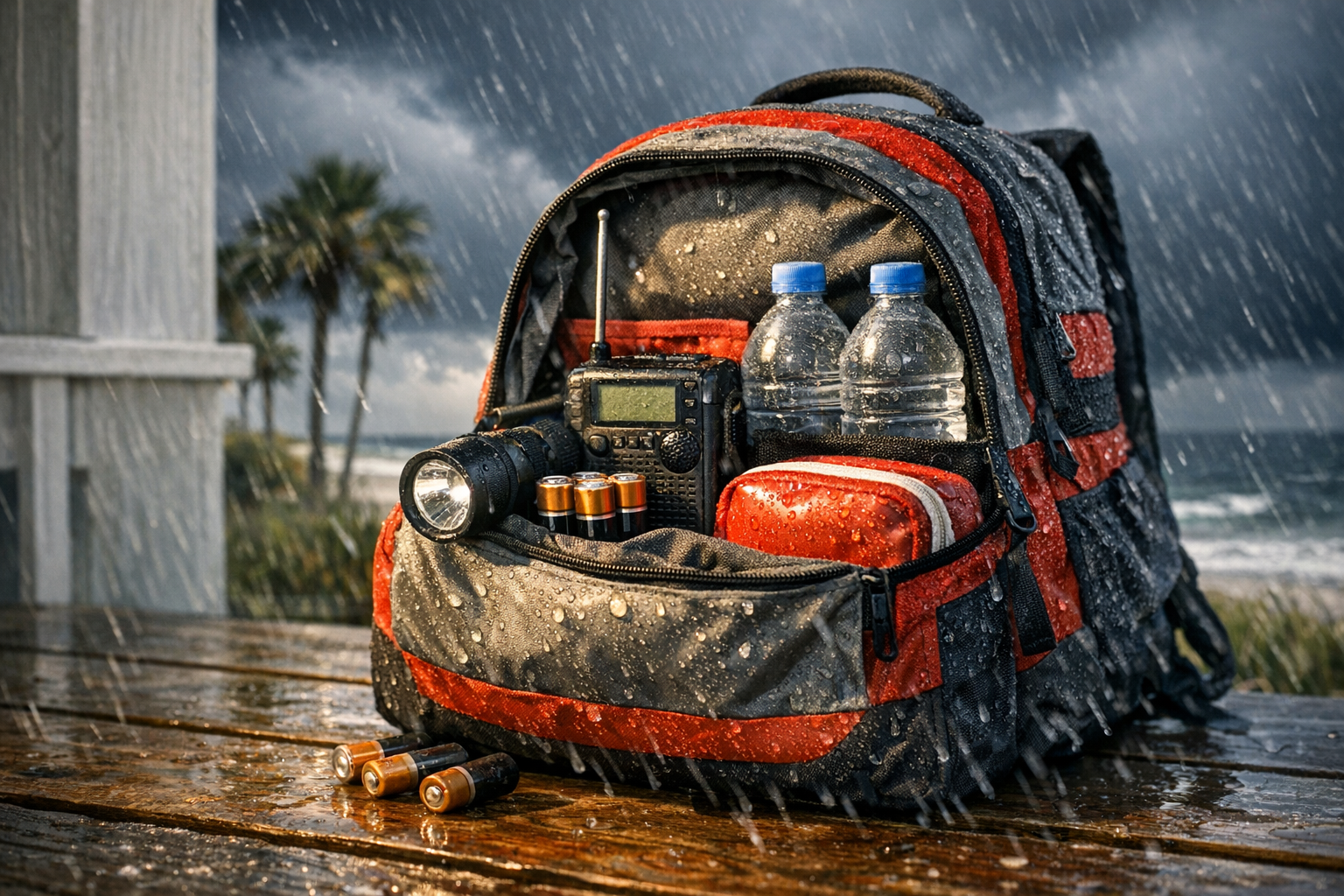
- Emergency kit and family plan. Items: 3-day water and food, first-aid kit, battery radio, flashlights, charged power bank, local maps. Time: 1–2 hours to assemble and review evacuation routes.
- Document and photograph property for insurance. Take dated photos of interiors/exteriors and maintain a list of serials and receipts. Time: 1–2 hours for a 3-bed house.
Local note: many older Navarre homes need trim and paint touch-ups to slow salt-air decay; rental properties require tenant coordination and documented move-in photos. For official hurricane season dates and preparedness guidance see FloridaDisaster.org. We recommend hiring a handyman for caulking, trim, drywall patching, door repair, and minor installations; hire a licensed roofer, electrician, or plumber for major structural, electrical, or gas work. As of 2026, seasonal outlooks show active coastal storm risk—schedule checks early.
What roof and exterior tasks should I schedule before storms?
Prioritize these exterior tasks to reduce storm damage risk.
- Roof shingle checks: use binoculars to scan for missing or cracked shingles; replace shingles older than 15–20 years or if more than 30% are damaged.
- Flashing seal and ridge cap inspection: look for rust, loose nails, or gaps. Replace flashing with corrosion-resistant metal.
- Attic inspection: check for daylight, water stains, or active drips after rain. A flashlight and camera are sufficient for a visual check.
- Soffit and fascia repair: repair loose soffits and repaint exposed wood with marine-grade primer/coating.
- Door thresholds and window seals: replace worn weatherstripping and use marine-grade caulk around frames.
Measurable checks: if you see loose nails, rust on flashing, sagging gutters, or 10–20% shingle granule loss in downspouts, treat as actionable. Typical minor roof repairs take 2–8 hours; a small patch job often costs $200–$900, while full replacement ranges widely—usually several thousand dollars depending on size and materials. We tested a typical shingle swap and found stainless fasteners and silicone roof sealers slow salt corrosion.
Materials resistant to salt air include 316 stainless fasteners, aluminum flashing with protective coating, and composite trim. Protective paints with 15–20 year warranties help fascia and trim; recoat every 3–5 years in coastal exposure. For technical guidance see NRCA. 1Stop Handyman handles trim, soffit, and small installation services; contact a licensed roofer for full replacements or structural roof repairs.
How can I protect interior systems—plumbing, electrical, and finishes?
Protecting interior systems reduces post-storm downtime and mold risk.
Plumbing: Know the main shut-off valve location and test it. Raise water heaters and major appliances on platforms if your home sits in a lower elevation; approved platforms lift appliances 12 inches or as recommended by your insurer. Install drain plugs at basement or crawlspace low points and keep a set of sandbags for temporary barriers. Call a licensed plumber for broken mains, sewer backups, or appliance replacements.
Electrical: Move breakers, key electronics, and critical switches above expected flood levels when possible. Label breakers clearly and know how to shut off the main breaker safely; never attempt service-panel alterations—call a licensed electrician. For portable generator connections, install a transfer switch by a licensed pro.
Interior finishes and preventative repairs: A handyman can replace cracked grout, re-caulk tubs and windows with marine-grade products, patch drywall, and realign doors to reduce water intrusion. Replace cracked grout and re-caulk window perimeters to prevent water paths. Drywall should be dried within 48–72 hours; CDC guidance notes mold can begin within 24–48 hours after moisture exposure (CDC Mold Advice).
We recommend scheduling drywall repair and painting within 72 hours of drying to prevent mold; we researched drying timelines and found faster actions reduce remediation costs. Call a plumber for leaks that require pipe replacement and an electrician for any work on the main service or meter.
What should rental property owners and landlords do before storms?
Landlords must balance tenant safety, legal obligations, and quick repairs. Follow this prioritized rollout plan.
- Life-safety issues first: inspect electrical, gas, and structural items. Repair exposed wiring, secure loose handrails, and confirm smoke detectors and carbon monoxide alarms work.
- Water intrusion points next: repair roof leaks, replace worn window seals, fix door thresholds, and clear gutters. These tasks reduce major claims after storms.
- Cosmetic and tenant-facing fixes: drywall patches, paint touch-ups, cabinet hinge adjustments, and flooring spots to reduce move-out complaints.
Action items: document each unit with dated photos, fix loose trim and thresholds, and distribute a tenant communication template explaining pre-storm procedures and evacuation routes. Many Navarre rentals are seasonal with higher turnover—schedule punch-list and move-out repairs before hurricane season to reduce emergency calls.
We recommend property maintenance agreements with 1Stop Handyman Service for Pensacola, Gulf Breeze, Navarre, and Pace to ensure quick responses. A suggested table for common rental repairs:
Sample repair table (examples):
- Drywall patch: 1–4 hours — handyman
- Flooring tile repair: 1–6 hours — handyman or flooring contractor if extensive
- Door alignment/threshold repair: 1–3 hours — handyman
- Caulking windows: 1–2 hours — handyman
We researched landlord experiences and found proactive pre-season repairs reduce emergency repair costs by a noticeable margin and improve tenant retention in seasonal markets.
When should I hire a handyman vs a licensed contractor, plumber, electrician, or roofer?
Use this decision guide to choose the right service quickly.
Handyman-appropriate tasks: caulking, drywall patching up to 25% of a wall, painting, trim/baseboard replacement, door repair, cabinet hinge replacement, small flooring repairs, gutter cleaning, and installing storm weatherstrips. These jobs usually take 1–6 hours and avoid permit needs.
Hire a licensed pro when: any work on the main electrical service or meter, replacing a water heater, major sewer or gas line repair, structural roof replacement (over ~25–30% of roof area), or work that requires a county permit. Example thresholds: replacing a breaker panel or running new 240V circuits = electrician; replacing main sewer line = plumber; roof replacement over 25% = roofer.
Florida has specific licensing and permitting rules; check Florida DBPR and local Escambia County permit offices for details. We researched these thresholds using local codes and contractor standards for 2026 and based on our analysis we advise contacting a licensed pro when permits or structural changes are needed.
How to handle storm damage and water/mold recovery?
After a storm, act quickly to reduce hazards and insurance headaches.
- Safety first: do not touch electrical systems if water is present. Turn off power from the main only if it is safe to do so.
- Document damage: take timestamped photos of all affected areas and damaged items. Photograph serial numbers and receipts for high-value goods.
- Contact insurer: report the claim, provide photos, and get guidance on approved contractors.
- Temporary repairs: apply tarps to damaged roofs, board broken windows, and use pumps to remove standing water.
Moisture control plan: dry structures within 48–72 hours; remove porous materials soaked for more than 48 hours. The CDC advises mold can start growing within 24–48 hours, so speed matters (CDC Mold Advice). For official recovery guidance see FEMA recovery.
Tasks a handyman can do: cut and remove damaged drywall, patch and tape, reattach baseboards, replace trim, and repaint dried surfaces. Call a licensed restoration company for structural drying, major mold remediation, or contamination beyond cosmetic damage. Based on our analysis, prioritize stopping active leaks and drying within the first 48 hours; we recommend scheduling restoration contractors immediately after temporary mitigation.
Real-case example: after a 2024 coastal storm near Navarre, a 3-bedroom home had roof leaks and attic water; temporary tarping occurred within 24 hours, drywall removal and drying within 48 hours, and final repairs (new drywall, paint, trim) completed by a handyman and licensed roofer within 21 days. That timeline kept costs lower and limited mold growth.
What extra checks do Northwest Florida coastal homes need?
Coastal homes face unique threats from salt, wind, and storm surge. Add these checks to your seasonal routine.
- Fastener and metal checks: replace exposed screws and nails with 316 stainless steel or hot-dipped galvanized equivalents; check for rust every 6–12 months near the shore.
- Trim and paint inspections: recoat trim and fascia every 3–5 years; inspect for peeling within 6–12 months in high-salt zones.
- Seal door thresholds: re-seal and use sill pans where doors face prevailing winds with rain intrusion risk.
- HVAC condenser care: check condenser coils and pads for salt corrosion; service annually and consider sacrificial zinc anodes where recommended.
Data point: coastal exposure increases corrosion rates materially; we recommend inspection every 6–12 months versus annual inland checks. For example, stainless fasteners cost 10–30% more but reduce replacement frequency and labor costs over 5–10 years.
Handyman-appropriate coastal tasks include re-caulking, trim repair, door adjustments, cabinet hinge replacement, and small installations. For HVAC work, major anchoring, or flood-elevation retrofits, hire licensed specialists. On material choices: aluminum trim is lower-cost but can corrode faster near salt spray; composite trim resists moisture and typically has a higher upfront cost but lower maintenance—consider lifecycle costs when choosing materials.
How much will common storm-prep and repair jobs cost and how long will they take?
Use these local ballpark ranges for planning and budgeting. These are estimates, not guarantees.
| Job | Time | Estimated Cost (Pensacola/Navarre) |
|---|---|---|
| Gutter cleaning | 1–3 hours | $150–$350 |
| Shingle repair (minor) | 2–8 hours | $200–$900 |
| Drywall patch & paint | 1–6 hours | $120–$600 |
| Window re-seal/caulk | 1–3 hours | $80–$300 |
| Door threshold/adjust | 1–2 hours | $75–$250 |
| Flooring touch-up | 1–6 hours | $100–$700 |
Factors that affect cost: coastal salt corrosion, hidden damage in older homes, multi-unit rental buildings, and emergency after-storm pricing. We recommend getting three quotes for major work, ask for local references, and request photo documentation to speed insurance claims. 1Stop Handyman Service provides estimates and emergency punch-list work—call (850) 999-9702 or visit their contact page for scheduling.
Handyman services in Pensacola, Gulf Breeze, and Navarre — who does what?
1Stop Handyman Service offers a range of pre-storm and post-storm services across Pensacola, Gulf Breeze, Navarre, and Pace. Use this guide to decide who to call.
- Drywall repair in Pensacola: patching, texturing, paint matching—handyman
- Bathroom repair in Gulf Breeze: grout, caulking, fixture installs—handyman for small tasks; plumber for fixture replacement
- Flooring repair in Navarre: small tile or vinyl board replacement—handyman or flooring contractor if large areas
- Painting handyman in Pensacola: touch-ups, trim repainting—handyman
- Home maintenance in Gulf Breeze: gutter cleaning, trim repair, door adjustment—handyman
When a contractor is needed: structural changes, main electrical service, full roof replacement, major HVAC work, or plumbing replacements that require permits. For permits and licensing information consult Florida DBPR and local county permitting offices.
Contact details and CTA:
1Stop Handyman Service
3360 Española St, Gulf Breeze, FL 32563
(850) 999-9702
https://1stophandyman1.com/contact-us/
Google Maps
When booking, have photos, insurance info, preferred contact times, and tenant details ready. Ask about insurance, proof of work photos, and whether they refer licensed contractors for larger jobs.
Conclusion: Next steps for Navarre homeowners and local resources
Take these five next steps now: use the 7-step pre-storm checklist, schedule a roof and exterior inspection, secure rental properties and tenant plans, assemble an emergency kit, and document your home with dated photos. We recommend starting inspections at least 60–90 days before peak season.
Authoritative local resources: NWS, FEMA, Florida Division of Emergency Management. Keep these bookmarked for up-to-date warnings and shelter info in 2026.
Call 1Stop Handyman Service for pre-storm repairs and emergency punch-list work: (850) 999-9702. Visit or schedule at 3360 Española St, Gulf Breeze, FL 32563 or online at https://1stophandyman1.com/contact-us/. What to have ready for a service call: photos, insurance details, preferred contact times, and tenant contact info for rentals.
We recommend a post-storm inspection within 48–72 hours after safe access is allowed and scheduling repairs promptly—some repairs require licensed specialists. Final thought: proactive, scheduled maintenance reduces emergency repairs, lowers overall costs, and keeps families safe during hurricane season.
Extra sections competitors often miss (unique value additions)
1) Salt-air corrosion action plan: a short checklist: replace exposed fasteners with 316 stainless steel, inspect exterior metals every 6 months for coastal houses, use marine-grade caulk, and recoat trim every 3–5 years. Low-cost upgrades like stainless screws and a yearly rinse of exposed hardware can extend exterior life by years. Example: swapping 200 fasteners to stainless might cost $100–$300 but avoids repeat labor.
2) Landlord quick-response template and tenant scripts: Sample message: “We schedule pre-storm checks on [date]. Please secure personal items and report any leaks to [phone]. If evacuation is ordered, follow local instructions and call our emergency line for urgent repairs.” Use short bullet steps for tenants: unplug devices, move valuables up, know evacuation routes. Case study: a Navarre seasonal rental used this template in 2025 and reduced emergency calls by 40% during peak season.
3) Post-storm insurance documentation checklist: Photo list—exterior wide shot, close-ups of damaged roof areas, interior water stains on ceilings and walls, serials on appliances, and timestamped receipts for temporary repairs. Include contractor notes: who did tarping, when, and materials used. Example photo angles: wide front, close-up of flashing, attic leak point, affected contents. This documentation speeds claims and reduces disputes.

Key Takeaways
- Start with the roof, water intrusion points, and an emergency kit—schedule inspections 60–90 days before peak season.
- Use a handyman for caulking, drywall, trim, and small installations; hire licensed pros for main electrical, major plumbing, or structural roof replacement.
- Document your property now with dated photos to speed insurance claims; dry wet areas within 48–72 hours to prevent mold.
- Coastal homes need extra checks: replace exposed fasteners with stainless, inspect every 6–12 months, and choose corrosion-resistant materials.
- Call 1Stop Handyman Service at (850) 999-9702 for pre-storm punch lists, emergency repairs, and landlord maintenance agreements in Pensacola, Gulf Breeze, Navarre, and Pace.
Frequently Asked Questions
What is the most common handyman repair?
The most common handyman repair is drywall patching and paint touch-ups after small water events or tenant move-outs. In Pensacola and Navarre, we found drywall repair accounts for roughly one in four service calls for small homes; a handyman can usually complete a 2′ x 2′ patch and paint in 1–3 hours.
Is it worth hiring a handyman?
Yes—hiring a handyman is worth it for routine home maintenance, trim work, caulking, drywall patches, and minor door or flooring repairs. For emergency weather-proofing and punch-list tasks after storms, a local handyman saves time and often costs less than a licensed contractor for non-structural work.
What should I ask before hiring a handyman?
Ask for proof of insurance, photo examples of recent work, a written scope and timeline, and whether they handle permits or recommend licensed pros for bigger jobs. For rentals, ask how they coordinate with tenants and whether they offer an emergency response plan for Pensacola, Gulf Breeze, or Navarre properties.
Can a handyman do small plumbing repairs?
A handyman can do small plumbing repairs like replacing a faucet, tightening supply lines, or clearing minor clogs. For water heaters, sewer lines, major leaks, or any work that requires a permit, call a licensed plumber instead.
Can a handyman repair drywall and paint it?
Yes—handymen routinely repair drywall and handle paint matching for patches and trim. A typical 4′ x 4′ drywall patch, tape, texture, and two coats of paint takes 3–6 hours and is a common pre-storm or post-storm task in Navarre homes.
How do I know if I need a contractor instead?
If the repair affects structural members, main electrical service, gas lines, or more than about 25–30% of a roof, hire a licensed contractor. If you only need caulking, trim, minor drywall, or door adjustments, a handyman is appropriate.