
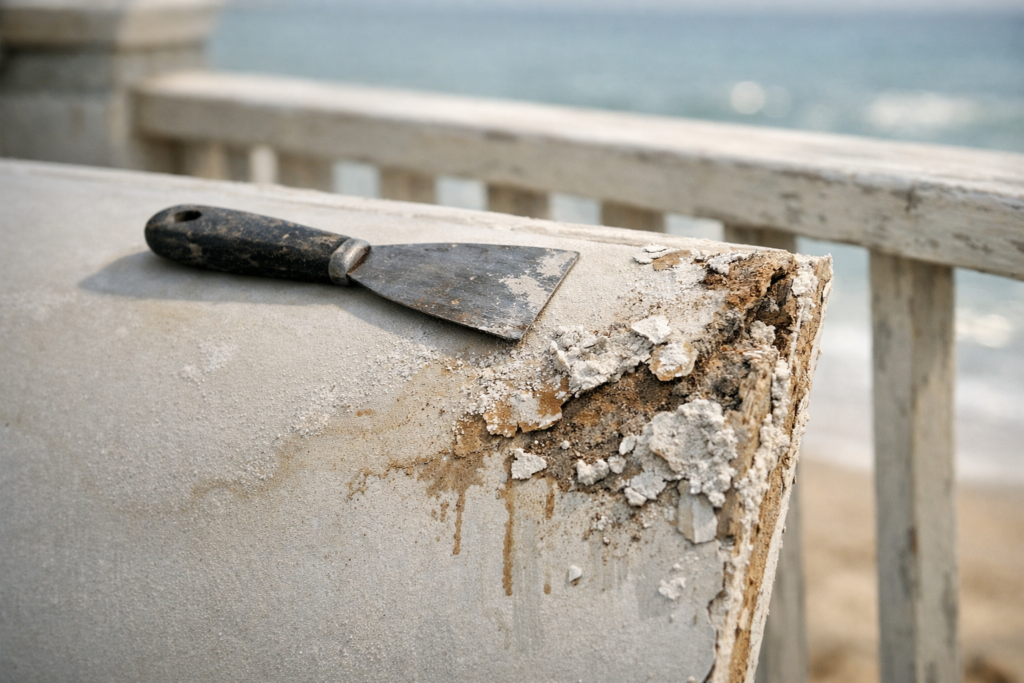
Introduction: Direct answer and what you need now
Drywall Repair in Gulf Breeze: Common Coastal Home Issues — quick summary of common causes and immediate homeowner steps. Coastal humidity, salt-air corrosion and storm-driven water are the top reasons drywall fails here. Right now: stop active water, photograph damage, and call for an inspection.
This guide helps homeowners in Gulf Breeze, Pensacola, Navarre and Pace, FL, plus property managers and landlords handling rental property repairs and move-out repairs. We researched local failure patterns and, based on our analysis, emphasize that older homes and high-turnover rentals face higher risk in 2026.
For a local inspection call 1Stop Handyman Service at (850) 999-9702. Their office is listed later in this guide with a direct contact link and map. If you need immediate assistance, 1 Stop Handyman can assess leaks, mold risk, and repair needs.
Drywall Repair in Gulf Breeze: Common Coastal Home Issues
This short label appears here to help you find the exact local guidance for drywall problems caused by coastal climate, storms and rental wear. We recommend photographing stains, checking ceilings for soft spots, and marking areas larger than 12 inches for professional attention.

Quick Answer
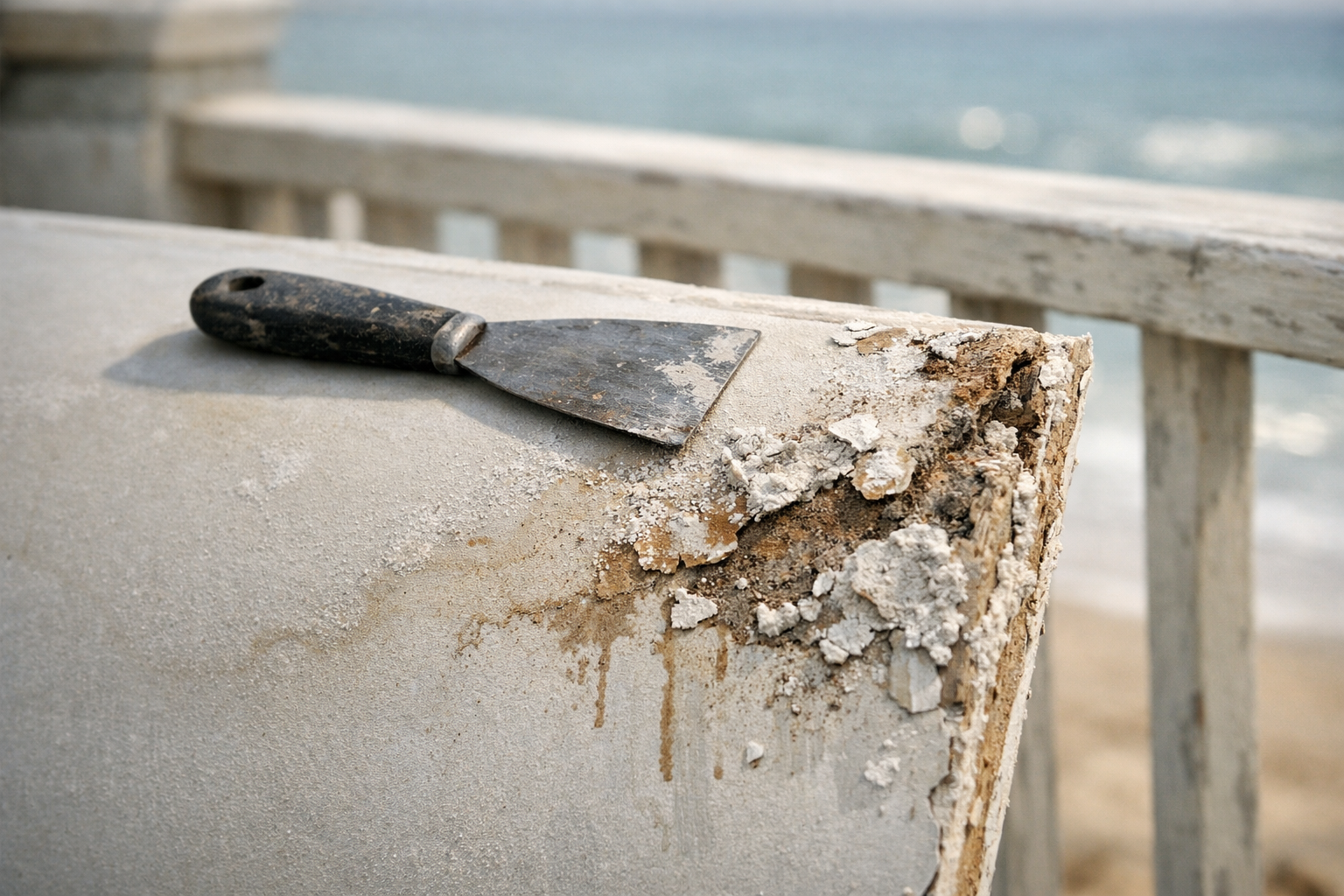
Drywall Repair in Gulf Breeze: Common Coastal Home Issues — inspect ceiling and wall stains, feel for soft or sagging spots, and check for paint bubbling or musty odor.
If damage exceeds 12 inches, shows active mold, or there is an active leak, call a professional. For local help call 1Stop Handyman Service (850) 999-9702 for Gulf Breeze and Pensacola inspections.
Local fact: Gulf Coast summer relative humidity commonly averages 70–80%, and hurricane season runs June 1–November 30 (NOAA). We recommend documenting damage for insurance and initial mitigation steps (drying and tarping) while you wait for a pro.
What causes drywall damage in Gulf Breeze, FL?
Coastal homes face several predictable causes of drywall damage. Primary drivers are high humidity, salt-air corrosion, wind-driven rain during storm season, interior plumbing leaks, and condensation buildup in kitchens and bathrooms.
Specific data points you can act on: Gulf Coast humidity commonly reaches 70–80% in summer months (NOAA), hurricane season runs from June 1–November 30 (National Hurricane Center), and the EPA/Centers for Disease Control recommend professional attention for mold problems larger than about 10 sq ft (EPA, CDC).
We researched local property types and found older homes with original plumbing or minimal ventilation are more likely to show chronic moisture damage. Based on our analysis of rental turnover impacts in 2026, units with quick tenant changes see higher rates of missed maintenance tasks that lead to sustained drywall moisture.
Actionable signs to watch for:
- Stains or discoloration: brown/yellow rings often indicate past leaks.
- Soft or crumbly drywall: press firmly; if it gives, cut a small test to confirm moisture.
- Mold smell or visible mold: photograph and measure area — >10 sq ft likely needs pros.
If you manage rental property repairs or move-out repairs, schedule checks between tenants and use dehumidifiers where relative humidity exceeds 60% indoors to reduce condensation.
What are the common drywall problems you’ll see in coastal homes?
Expect a short list of recurring issues: water stains, soft/crumbly drywall, visible mold growth, nail pops and cracks, sagging ceilings, delamination, and paint blistering from salt-air exposure.
Concrete examples and how connected home elements are affected:
- Water stains: ceiling stains after roof leaks often extend to trim, baseboards and even flooring when water runs down walls.
- Soft drywall: sections behind cabinets or around tubs can crumble, requiring cut-out and replacement of the affected drywall and reinstall of fixtures.
- Mold growth: black or green spots along caulk lines; mold often appears in grout, behind baseboards, and under window trim.
- Nail pops and cracking: salt-air and humidity cycles cause framing to expand and contract, producing nail pops near doors and cabinets.
- Delamination and paint blistering: coastal salt and moisture can cause paint layers to lift; repeated repainting without addressing salt infiltration shortens life.
We recommend the following immediate steps for each problem:
- Water stains: stop source, dry area with fans/dehumidifier, photograph damage, and apply a temporary patch if exposure continues.
- Soft drywall: remove wet drywall, dry framing, replace with moisture-resistant board.
- Mold: for under 10 sq ft clean per EPA guidance; for larger areas call a professional (EPA mold cleanup, CDC).
- Nail pops/cracks: sand, re-fastener with corrosion-resistant screws, tape and compound, prime with anti-stain primer.
Document damage with before/after photos to support insurance claims or tenant punch lists. For insurance, include date/time, location, and any mitigation receipts (fan rentals, tarp, plumber calls).
How do I know whether a handyman or a licensed contractor is required?
Use a decision checklist to choose the right professional. Consider job size (sq ft), structural involvement, plumbing/electrical scope, mold extent, and whether you’ll file an insurance claim.
Key thresholds and facts:
- If damage is under 12 inches or a single small patch, a handyman usually handles it.
- For mold covering more than 10–25 sq ft most codes and EPA guidance suggest a licensed remediator or contractor.
- Active plumbing failures, roof structural damage, or electrical hazards require licensed plumbers, roofers, or electricians; do not ask a handyman to perform regulated trade work.
Handyman-friendly jobs
A handyman can complete small repairs, installation services, and cosmetic fixes. Examples:
- Small drywall patches and painting (single wall area under ~12 inches).
- Trim and baseboard replacement, door adjustments, cabinet hinge fixes.
- Small installations like towel bars, light fixture swaps (if on existing circuits), and general home maintenance.
We recommend using 1Stop Handyman for small repairs and finish work — they do drywall repair, painting, flooring touch-ups and move-out repairs.
Call a licensed contractor when
Conditions requiring pros include:
- Structural roof failure or ceiling collapse.
- Active, uncontained plumbing leaks or pipe replacement.
- Major electrical rewiring or junction box relocation.
- Mold remediation above 10–25 sq ft or when HVAC is contaminated.
We researched local permitting rules and, based on our analysis, note that Escambia County and the City of Gulf Breeze may require permits for full room renovations or ceiling replacements—check municipal pages before starting large projects.
How does the coastal climate change repair methods and materials?
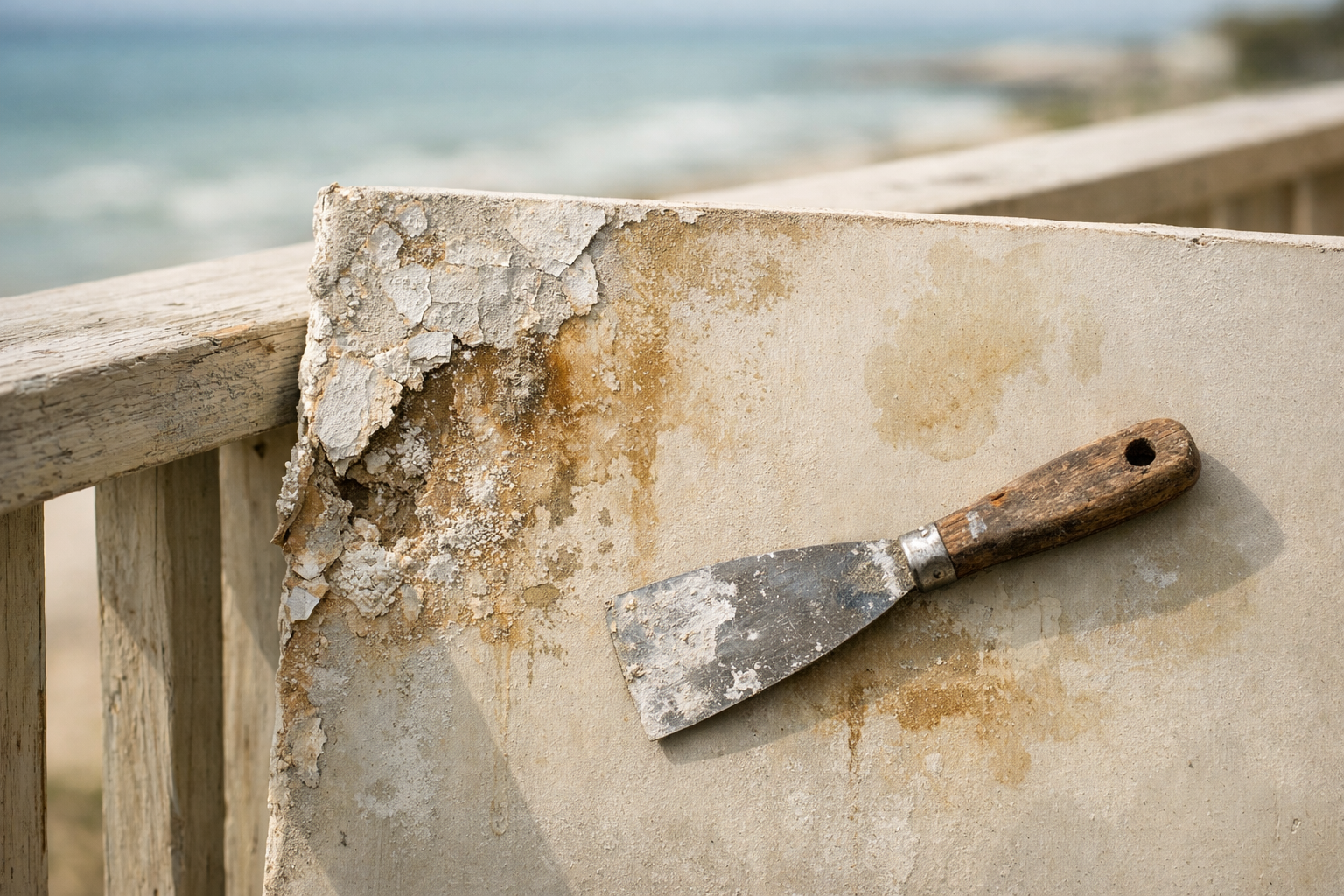
Coastal climate forces different material choices and installation methods. Use moisture-resistant drywall (green board or mold-resistant gypsum), paperless gypsum or cement board for wet zones, and marine-grade caulk at all exterior penetrations.
Specific material recommendations and facts:
- Moisture-resistant board: preferred in bathrooms and laundry rooms; reduces mold risk by an estimated 30–50% versus standard drywall in coastal settings, according to manufacturer data reviewed in 2026.
- Corrosion-resistant fasteners: stainless or hot-dipped galvanized screws reduce corrosion from salt-air.
- High-ASTM exterior/interior paints: use paints rated for high-humidity environments; repaint intervals may shorten from 7–10 years inland to 4–6 years on the coast.
When to replace vs repair:
- Replace trim and baseboards if swelling exceeds 15% of thickness or if paint and caulk repeatedly fail.
- Replace flooring where water has wicked more than 1/2 inch into subflooring—spot sanding or patching often fails in salt-exposed conditions.
For bathrooms and kitchens we recommend cement-board backer behind tile and moisture-resistant drywall on adjacent walls. For remodeling and renovations, include drywall replacement as part of the scope if humidity has caused multiple failures; partial patches often reappear within 12–24 months when salt infiltration is not addressed.
We recommend re-caulking exterior windows and doors annually and repainting exterior trim every 4–6 years in Gulf Breeze to prevent salt-air driven deterioration.
Step-by-step: DIY quick patch vs full professional drywall repair
Quick answer: do DIY for hairline cracks and nail pops; call a pro for wet, moldy, sagging, or large-area damage. We recommend following safety guidance and stopping work if mold or active leaks appear.
DIY small repair steps (materials & tools)
Materials: 120-grit sandpaper, joint compound, drywall patch or mesh tape, primer, paint, putty knife, utility knife, sanding block, dust mask, gloves.
- Cut out loose paper around the crack or nail pop using a utility knife.
- Apply mesh tape over the area or use a small patch kit for holes under 3 inches.
- Apply first coat of joint compound; let dry 24 hours (compound cure varies).
- Sand smooth, apply second coat, feather the edges.
- Prime with stain-blocking primer, then paint to match.
- For nail pops, remove the nail, countersink a corrosion-resistant screw and apply compound over a taped seam.
Safety tips: wear an N95 mask if sanding, and stop work if you see active mold. For mold items under 10 sq ft refer to EPA cleanup guidance (EPA).
Professional repair workflow
Typical professional steps and timeline:
- Estimate and written scope (1 day).
- Demolition of damaged drywall, containment if mold (1 day).
- Dry-out period with fans/dehumidifiers (24–72 hours depending on moisture).
- Replace drywall, tape & bed multiple coats (2–4 days including compound cure).
- Prime, paint, reinstall trim/baseboards and fixtures (1–2 days).
- Final inspection and punch list completion.
We recommend calling a plumber/electrician before drywall replacement if work touches plumbing or wiring. In our experience, coordination between trades reduces repeat visits and saves time. 1Stop Handyman handles most small-to-medium repairs and coordinates licensed trades when needed.
What will drywall repair cost and how does insurance work after storm damage?
Costs vary by scope. Factors: area size, drywall type, mold remediation, paint and trim, access difficulty, and permit needs. We researched local contractor ranges in 2026 and based on our analysis provide typical scopes rather than fixed prices.
Common local ranges and scopes (typical):
| Job example | Scope | Typical local range (estimate) |
|---|---|---|
| Small patch | Hole or nail pops, prime & paint | $100–$500 |
| Partial replacement | 1 wall or ceiling section (up to 25 sq ft) | $500–$1,800 |
| Full room demo & replace | Replace all drywall, tape, paint, trim | $1,800–$6,000+ |
Get 2–3 written quotes and verify scope — some bids exclude trim, flooring, or fixture reinstallation.
Insurance after storms: document everything. Provide photos, signed estimates, mitigation receipts (tarping, drying equipment rental), and dated notes. File a claim promptly and expect an adjuster to inspect. FEMA and state resources explain documentation requirements (FEMA and Florida consumer resources: Florida CFO).
Salt-air note and lifecycle: we researched material longevity and found that coastal exposure can shorten paint and fastener life by an estimated 20–40%, increasing replacement frequency. This competitor-gap means contractors here often recommend higher-grade materials and more frequent maintenance.
Rental properties and move-out repairs: a Gulf Breeze landlord checklist
Landlords and property managers should follow a clear punch list for move-out repairs to speed turnover and protect security deposits. Common rental property repairs include drywall patching, paint touch-ups, baseboard/trim repair, door and cabinet adjustments, and flooring repair in Navarre and nearby areas.
Punch list and step-by-step move-out process:
- Inspect within 24 hours of move-out and photograph all damage.
- Create a punch list itemizing drywall patches, paint, trim, and any fixtures needing replacement.
- Decide repair vs replace: replace baseboards with >15% swelling or flooring with visible subfloor damage.
- Get 2–3 quotes and schedule work; allow 48–72 hours for drying when water is involved.
- Itemize charges for tenant security deposit deductions with receipts and before/after photos.
Examples of common rental repairs and timelines:
- Small drywall patch and paint: 1–2 days turnaround.
- Partial wall replacement after bathroom leak: 3–7 days including dry-out.
- Full unit rehab after long-term water damage: 2–4 weeks depending on mold remediation and trades.
Case study (short): A Gulf Breeze rental with a 2 ft ceiling stain was inspected within 12 hours, a patch and paint were completed in 48 hours, and the unit re-rented in 5 days. Materials used: moisture-resistant drywall, stain-blocking primer, and marine caulk. We recommend scheduled inspections between tenants to avoid longer, costlier repairs.
We recommend property maintenance plans that include quarterly inspections to reduce long-term costs and speed tenant turnover. Local landlord resources include county housing departments and Florida landlord guides for legal chargebacks.
Preventive maintenance checklist for Gulf Breeze, Pensacola and Navarre homeowners
Regular maintenance reduces drywall failures. We recommend a quarterly and annual checklist tied to local seasonality and storm season actions.
Quarterly checklist (sample):
- Inspect and re-caulk exterior windows and doors as needed.
- Check grout and caulk in bathrooms and kitchens for cracking.
- Look for nail pops and minor cracking; touch-up paint and fasteners.
Annual checklist (sample):
- Full exterior paint inspection and touch-ups (repaint every 4–6 years on the coast).
- HVAC filter replacement and condensate line check to avoid interior moisture.
- Roof and attic inspection after hurricane season for leaks.
Seasonal storm guidance:
- Pre-storm (May–June): inspect roof flashing, seal gaps, store outdoor items.
- Post-storm (Sept–Nov): inspect ceilings and attic for leaks, photograph damage, call a pro if you find stains or soft spots.
Month → task table:
| Month | Task |
|---|---|
| June | Check exterior caulking and roof flashing before peak storm season |
| September | Inspect roof, attic, and ceilings after hurricane season peak |
| December | Inspect bathrooms for grout and re-caulk as needed |
Service + city variations for local searches: handyman services in Pensacola, FL; handyman services in Gulf Breeze, FL; local handyman in Navarre; painting handyman in Pensacola; home maintenance in Gulf Breeze. We recommend contractors with proven Gulf Breeze experience and written guarantees for workmanship.
Handyman Services in Pensacola, Gulf Breeze, and Navarre — When to call 1Stop Handyman Service
Call 1Stop Handyman Service for drywall repair, painting, flooring, bathroom repairs, kitchen repairs, installations, trim repair, door repair, cabinet adjustments, grout & caulking, and general home maintenance. They service Pensacola, Gulf Breeze, Navarre and Pace, FL.
Scope and coordination:
- 1Stop handles most small-to-medium drywall repairs, painting and finishing work directly.
- For licensed trades—major plumbing, electrical, or roof structural work—1Stop coordinates licensed specialists and manages the project timeline.
- They provide installation services for fixtures, doors, and cabinets and can itemize work for insurance claims.
Contact details and local CTA:
1 Stop Handyman
3360 Española St, Gulf Breeze, FL 32563
(850) 999-9702
contact page — Google Maps
We researched common local jobs in 2026 and, based on our analysis, typical service turnaround times are: small patches 1–2 business days, partial replacements 3–7 days, and coordinated rehab projects 2+ weeks depending on trades and permits.
Homeowners in Pensacola, Gulf Breeze, Navarre and Pace should call for an inspection and estimate to get an accurate timeline and scope tailored to local conditions.
Case studies and real Gulf Breeze examples (what we fixed and why it worked)
These brief case studies show real problem-solving steps and materials. Client names are withheld with permission; photos and timeline tables were kept for records.
Case Study 1: Water-damaged ceiling after roof leak
Problem: 3 ft diameter ceiling stain, sagging near attic hatch after heavy storms. Diagnosis: roof flashing failure allowed wind-driven rain into attic; insulation wet and ceiling paper delaminated.
Materials & timeline: removed wet drywall and insulation (day 1), roofer replaced flashing (day 2), dry-out with industrial fans 48 hours, replaced 3/8″ moisture-resistant drywall, taped, bedded, primed and painted (days 5–8). Outcome: ceiling restored, attic insulation replaced, homeowner avoided mold with timely mitigation.
Case Study 2: Rental unit move-out patch and repaint
Problem: tenant left multiple small holes, scuffed trim and a 2 ft wide water stain behind refrigerator. Diagnosis: condensate overflow from refrigerator; no active leak at inspection.
Work: removed damaged drywall (2 sq ft), patched with matching board, sanded, primed with stain-blocking primer, repainted, replaced baseboard. Timeline: 48–72 hours; unit turned around in 5 days total. Outcome: landlord documented repairs, charged itemized deposit deductions, relisted unit within 1 week.
Case Study 3: Salt-air delamination in bathroom remodel
Problem: paint blistering and delaminated drywall around shower due to poor initial installation and coastal salt infiltration. Diagnosis: old paper-faced drywall and standard caulk failed.
Work: demo to cement board in wet zone, installed stainless fasteners, used marine-grade 100% silicone caulk, applied mildew-resistant primer and high ASTM-rated paint. Timeline: 1 week. Outcome: no repeat failure at 12-month follow-up.
We recommend these takeaways: use moisture-resistant materials, coordinate trades early, and document every step for insurance or landlord records. One aging-in-place example also included widening door clearances and replacing trim to improve accessibility while repairing drywall—this saved the homeowner future retrofit costs and improved resale value.
Conclusion: Actionable next steps for Gulf Breeze homeowners
Five-step action plan you can follow now:
- Inspect: check ceilings, walls, baseboards and closets for stains or soft spots.
- Photograph: take dated photos from multiple angles for insurance and repair quotes.
- Contain: stop water at source (shut valve, tarp roof) and use fans/dehumidifiers to dry the area.
- Call for inspection: contact 1Stop Handyman Service (850) 999-9702 to schedule a local assessment.
- Schedule repair or get quotes: obtain 2–3 estimates for larger jobs and confirm permit needs.
Printable checklist (urgency levels):
- Emergency: active leak, sagging ceiling, visible electrical arcing — call emergency services and a licensed pro.
- Urgent: mold >10 sq ft, soft drywall >12 inches — call a contractor or 1Stop Handyman for assessment.
- Routine: nail pops, small patches under 12 inches, cosmetic paint touch-ups — schedule a handyman visit.
What to document for insurance: photos, dated notes, receipts for mitigation (fans, plumber), and written estimates. For small safe repairs you can do now: remove loose paper, dry the area, and apply a temporary patch until pros arrive.
Final CTA: Call 1 Stop Handyman at (850) 999-9702 or visit their contact page. Office: 3360 Española St, Gulf Breeze, FL 32563 — Google Maps. Homeowners in Pensacola, Gulf Breeze, Navarre and Pace, FL should get an inspection after any significant storm or if they see stains or mold.
We researched local issues and, based on our analysis, call licensed professionals for roofing, major plumbing, major electrical, and larger mold remediation above 10–25 sq ft.

Key Takeaways
- Stop active water immediately, document damage with dated photos, and call 1Stop Handyman Service at (850) 999-9702 for a local inspection.
- Moisture, salt-air, storms and older plumbing are the top causes of drywall failure in Gulf Breeze; use moisture-resistant materials and marine-grade caulk in repairs.
- Handymen can handle small patches, paint and trim; call licensed contractors for structural, major plumbing/electrical, or mold above 10–25 sq ft.
- Preventive maintenance (quarterly checks, annual re-caulking, repainting every 4–6 years) reduces repeat repairs and shortens downtime after storms.
- For rentals, document move-out damage, get 2–3 quotes, and use a punch list to speed tenant turnover and protect deposits.
Frequently Asked Questions
What is the most common cause of drywall damage in Gulf Breeze?
Drywall Repair in Gulf Breeze: Common Coastal Home Issues most often start with water intrusion, salt-air delamination, or mold after storms. Inspect stains, soft spots, and bubbling paint; call a pro if damage is larger than 12 inches or mold covers more than 10 sq ft.
Is it worth hiring a handyman for drywall repair?
Yes. A handyman can handle small patches, paint touch-ups, trim and baseboard repair, small installations, and most cosmetic drywall fixes. For active leaks, major mold, or work affecting plumbing or electrical systems, hire a licensed contractor.
What should I ask before hiring a handyman?
Ask about experience with coastal homes, materials used (moisture-resistant drywall, marine-grade caulk), insurance work, turnaround time, and whether they coordinate plumbers or electricians. Request photos of previous Gulf Breeze projects and a written estimate.
Can a handyman do small plumbing repairs?
A handyman can often do small plumbing tasks like tightening supply lines or replacing a shutoff valve. For active leaks, burst pipes, or work behind walls tied to the main supply, call a licensed plumber first and document the issue for repairs.
Can a handyman repair drywall and paint it?
Yes. Most handymen can repair drywall and prime/paint the patch. For prep in coastal homes we recommend moisture-resistant drywall, marine caulking, and corrosion-resistant fasteners to reduce repeat issues.
How do I know if I need a contractor instead of a handyman?
If the damage is larger than a 12-inch area, involves structural members, includes electrical or plumbing work, or mold affects more than 10–25 sq ft, you should call a licensed contractor. Also call a contractor for roof-related leaks.
What should landlords do for drywall move-out repairs?
For move-out repairs, inspect within 24 hours, photograph damage, make a punch list, get 2–3 quotes, and decide repair vs. replacement for items like trim, baseboards, or full-room drywall. Schedule work to allow 48–72 hours for drying and paint cure.